

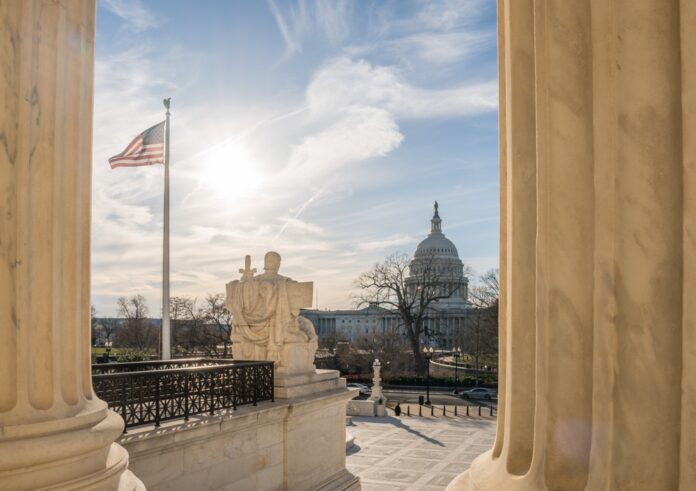
At least $67 million that Americans paid to fix our national parks is instead beautifying Washington, D.C., while park roads, campgrounds, and water systems crumble across the country.
Story Snapshot
- At least $67 million in park entrance fees is funding D.C. fountains and the Lincoln Memorial Reflecting Pool instead of park repairs.
- National parks face a massive $23–24 billion maintenance backlog, yet D.C. projects are getting priority money.
- The Lincoln Memorial Reflecting Pool renovation cost over $13 million, including $7 million in park fees, and quickly showed serious problems.
- A no-bid contract and weak oversight raise questions about favoritism and waste, even though the spending is technically legal.
Millions In Park Fees Flow To D.C. “Beautification” Projects
Federal records and internal National Park Service documents show that at least $67 million in entrance fees paid by park visitors nationwide has been steered into Washington, D.C. beautification projects. Nearly $60 million is going to repair nine ornamental fountains in the capital, while another $7 million in fee revenue is funding the Lincoln Memorial Reflecting Pool renovation as part of a larger $13.1 million project. These decisions came as part of President Trump’s America 250 push to upgrade the nation’s capital ahead of the 250th anniversary celebrations.
Between December 2025 and March 2026, more than three-quarters of all recreation-fee contract spending went to the D.C. fountains alone, and over 90 percent went to D.C.-based projects overall. An analysis of National Park Service recreation-fee obligations from 2025 to mid‑2026 found that more fee money went to D.C. projects than to the ten most‑visited fee‑collecting parks and ten most‑visited non‑fee parks combined. For many readers, that means the money you expected to help your local park instead polished fountains and plazas in Washington.
Backlogged Parks Left Waiting As D.C. Gets The Cash
While Washington’s fountains get new stonework and plumbing, national parks across the country face an estimated $23–24 billion backlog of basic repairs. That backlog includes crumbling roads, unsafe walls, failing water systems, worn‑out campgrounds, and aging restrooms and visitor centers from places like Zion, Yosemite, Shenandoah, Crater Lake, Carlsbad Caverns, and White Sands. Members of Congress warn that about $90 million in entrance fee revenue has been redirected away from these needs to cover cosmetic D.C. “beautification” projects, including structures covered in gold leaf.
For families who save up to visit a national park, that backlog is not abstract. It means closed trails, unsafe bridges, and bathrooms that do not work. Lawmakers from both parties have pushed to extend maintenance funds and set up repair programs, but the Trump administration also proposed a $10 billion “Presidential Capital Stewardship Program” focused on new construction and beautification in and around Washington, D.C. Critics say this risks turning park fees into a permanent capital projects fund instead of a tool to keep everyday park infrastructure safe and open.
Legal But Troubling Use Of Fee Money
The White House and Interior Department point out that these transfers are allowed under the Federal Lands Recreation Enhancement Act, which requires that at least 80 percent of entrance fee revenue stay in the park where it was collected but lets the remaining 20 percent go to sites that do not charge fees, such as memorials on the National Mall. On paper, that makes the D.C. spending legal. Interior officials also argue they have other funding sources for deferred maintenance and say the capital projects support national celebrations.
But senators and watchdog groups argue that legality is not the only question; they say the scale and timing of the D.C. spending breaks faith with visitors who expect their entrance fees to fix the places they actually visit. A group of eleven senators wrote Interior Secretary Doug Burgum warning that “much, if not all” of the revenue from online America the Beautiful Pass sales may be flowing into Washington projects instead of back to parks nationwide. They want a full accounting of every dollar of fee revenue from 2024 to 2026, broken down by park, to see how much has truly been diverted.
Reflecting Pool Cost Overruns And Contract Concerns
The Lincoln Memorial Reflecting Pool project has become the most visible symbol of the controversy. Internal documents and media reports say the pool renovation grew to at least $13.1 million, with $7 million of that coming directly from entrance fees. The contract for the pool was reportedly increased to more than $13 million through a no‑bid award to Atlantic Industrial Coatings, a company linked in reporting to a Trump donor. Senators questioned why a firm with limited federal experience was chosen for a complex, high‑profile water project at one of the nation’s most sacred sites.
https://twitter.com/NewsNew97351204/status/2073890994630627838
Shortly after completion, the project drew harsh attention when paint began peeling off the pool’s surface and the water turned green with algae, despite claims that the materials would last 50 to 100 years. Images of the murky pool undercut administration messaging that the water was “crystal clear,” and raised basic questions about oversight and quality control. ABC News and other outlets reported that some companies involved in the D.C. beautification contracts had virtually no prior federal contracting history, deepening worries that political ties and speed mattered more than skill.
What Conservative Park Lovers Should Watch For Next
For constitutional conservatives who care about stewardship and limited government, this fight is not about hating Washington; it is about priorities and trust. When Americans pay entrance fees, they expect that money to repair trails, campgrounds, and roads at the parks they visit, not to cover cost overruns on ornate fountains and decorative pools in the capital. Lawmakers are pushing for audits of all entrance fee allocations, lists of every company that received no‑bid contracts, and internal memos explaining why D.C. projects came ahead of urgent safety work in the field.
These investigations matter because they test whether federal agencies serve the people who fund them or drift toward prestige projects and political symbolism. If future audits show that fee money is being used responsibly, that will help rebuild trust. If they confirm that park visitors unknowingly underwrote wasteful or poorly managed D.C. projects, there will be strong pressure from both conservatives and moderates to tighten guardrails so that park fees once again fix parks first. Until then, every family buying a pass should know their money may be doing more work on the National Mall than on the trails they love.
Sources:
cbsnews.com, reed.senate.gov, nytimes.com, bangordailynews.com, nps.gov, facebook.com, westernpriorities.org