

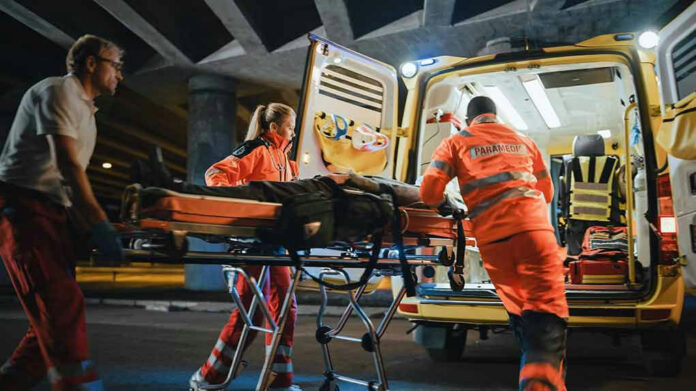
As New Jersey battles a deadly heat wave, officials admit they are counting “suspected” deaths while key forensic details remain hidden from the public.
Story Snapshot
- New Jersey officials report at least 19 suspected heat-related deaths since July 2.
- Temperatures and heat index values hit dangerous levels, matching rising national heat-death trends.
- Authorities use the word “suspected,” yet have not released autopsy data or case breakdowns.
- The crisis exposes how aging grids, high costs, and weak transparency hurt seniors and working families.
Deadly Numbers In A Holiday Heat Wave
State health officials in New Jersey say at least 19 people have died in incidents they describe as “suspected heat-related deaths” since July 2, just as families gathered for the July 4 holiday. Local and national media repeated that same number, citing state officials and labeling the heat wave “historic.” Reports describe temperatures in nearby cities over 100 degrees and heat index values above 110 degrees, turning basic summer activities into real health dangers for older adults and people with medical problems.
These New Jersey deaths are part of a larger pattern. National data show heat is now the *leading* weather-related cause of death in the United States, beating hurricanes and tornadoes combined. One analysis found direct heat deaths jumped from 1,008 in 2018 to 1,600 in 2021, a 59 percent increase in only four years. Another major study found heat-related mortality rising in nearly every region of the country as the number of extreme hot days climbs year after year.
What “Suspected” Really Means — And What We Are Not Being Told
Despite the alarming count, New Jersey officials carefully call these 19 cases “suspected heat-related deaths,” not confirmed deaths from heat. That word matters. It signals that full autopsy reports, toxicology results, and case files are either incomplete or not yet released to the public. Officials have not provided a breakdown of ages, locations, or health conditions for the victims, so citizens cannot see which neighborhoods or groups were hit hardest. This lack of detail makes it harder to judge whether failures in power supply, housing, or emergency response played a role.
Medical experts note that many heat deaths are recorded as other causes, like heart disease, with heat only making the illness worse. New York City’s own heat mortality report shows an average of about 490 “heat-exacerbated” deaths per year and only a handful directly labeled as heat-stress deaths. That same report found one recent heat wave produced 19 direct heat-stress deaths in a single month. When officials use “suspected” in New Jersey without adding case-level data, it fits a national pattern where governments speak about heat risk broadly but keep the public in the dark on how each local death is classified.
Power, Prices, And Who Pays The Price In A Heat Crisis
Extreme heat is most dangerous for seniors, people with chronic illness, outdoor workers, and those without reliable air conditioning. Guidance from New Jersey’s own emergency information service stresses the need for cool indoor air, shade, and steady water intake to avoid heat stroke and death. Yet many vulnerable residents live in older buildings with poor insulation and face high electric bills after years of federal overspending and rising energy costs. When temperatures soar, they must choose between paying the power bill or risking their health at home.
19 deaths in New Jersey likely connected to the heat wave. https://t.co/NjmsfEYBwM
— Massoud Maalouf (@Massoudmaalouf) July 5, 2026
Studies from Yale and other researchers show deaths linked to high temperatures climbed by more than 50 percent over the past two decades. A nationwide review of heat-related mortality found rising death rates across almost all population groups, with the steepest increases among poorer and minority communities. These trends highlight a hard truth: heat risk is not spread evenly. It falls hardest on people with the least political voice and weakest housing, often in dense urban areas like parts of New Jersey and New York. When government fails to secure affordable cooling and a stable grid, these neighbors are the first to pay with their lives.
Transparency, Accountability, And The Role Of Government
The Trump administration now oversees federal agencies that help states prepare for and respond to disasters, including heat waves. But New Jersey’s reporting shows how much control still rests with state officials and local bureaucrats. They decide how deaths are labeled, when reports are released, and how clearly the public is informed. Conservatives who value limited government still expect honest numbers and clear facts. When officials report “19 suspected heat-related deaths” without sharing evidence, they invite doubt and anger among citizens who already distrust opaque institutions.
There is no organized public counter-claim yet that disputes the 19-count or proves these deaths came from other holiday causes like traffic crashes or alcohol. Still, the lack of forensic detail leaves room for serious questions. Did any victims lose power before they died? Were they living alone without working air conditioning? Could simple steps like opening cooling centers longer or checking on homebound seniors have saved lives? To answer these questions, New Jersey should release anonymized case summaries and clear criteria showing how each death was judged “suspected” and, later, confirmed or rejected as heat-related.
Protecting Families While Guarding Against Agenda-Driven Spin
National outlets already link this New Jersey tragedy to broader climate narratives, sometimes using fear to push sweeping policies that grow government yet do little to fix local problems. The data do show real danger from rising heat, but a serious conservative response focuses on practical protections, not partisan talking points. Families need strong electric grids, fair energy prices, honest reporting, and support for at-risk seniors and workers. These solutions defend life, liberty, and the ability to safely enjoy a July 4 cookout without wondering if the next heat wave will quietly claim more neighbors.
For now, we know this: at least 19 New Jersey residents did not survive this week’s brutal heat, and officials say the wave was likely involved. What we *do not* know is exactly how, where, and why each person died. That gap in truth matters. Real accountability means pressing state and local leaders to move beyond “suspected” and give citizens the full story, backed by transparent medical evidence and clear plans to keep families safe when the next heat dome settles over their town.
Sources:
nypost.com, x.com, facebook.com, a816-dohbesp.nyc.gov, nbcnews.com, archive.nytimes.com, futurism.com, newjersey.news12.com