
A federal judge temporarily blocked the Postal Service from enforcing key parts of a new mail-voting rule for the 2026 elections, putting election integrity changes on hold while lawsuits play out.
Story Highlights
- A court issued a preliminary injunction stopping parts of the Postal Service rule before the midterms.
- States and groups say the rule forces rushed changes and risks voter privacy and errors.
- The judge said the Postal Service moved ahead despite an earlier order, heightening legal pressure.
- The Postal Service says standardized barcodes and tracking would deter fraud and aid audits.
What the Court Did and Why It Matters Right Now
On August 11, a federal court blocked the United States Postal Service from implementing a section of President Trump’s executive order that tightened mail-voting procedures for 2026 elections. The order sought uniform tracking and design standards for ballot mail. The ruling pauses that section for the November midterms and any earlier federal election while the case proceeds. The litigation is active and could shift again. But for now, the most contested requirements are on hold heading into fall voting.
On August 25, a separate proceeding saw the judge criticize the Postal Service for issuing a final rule despite the earlier block. The court declined to halt the final rule that day but concluded the agency had violated an order by issuing it, adding to the legal cloud over the policy. Plaintiffs then moved to directly challenge that final rule, asking the court to stop it from taking effect for the midterms. The result is a complex, moving courtroom calendar right before election deadlines.
What the Postal Service Rule Would Change
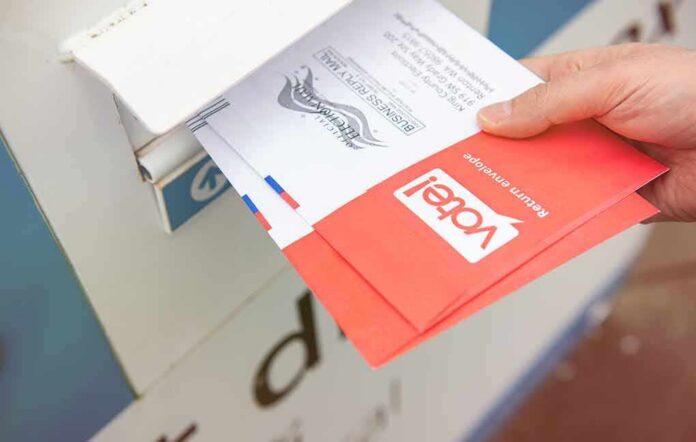
The Postal Service’s plan ties to a White House directive that called for uniform standards to protect the integrity of ballot mail, including a unique Intelligent Mail barcode to track outbound and return envelopes. Supporters say standard barcodes, logo markings, and design reviews would improve tracking, reduce chain-of-custody gaps, and create a nationwide audit path for mailed ballots. The Postal Service says the data would help compare ballots sent with ballots returned and flag problems for review.
The Postal Service also described limits on stored data. It said it would not open ballot envelopes or log party data, but would keep exterior information like addresses and barcodes to help ensure compliance with federal law and assist law enforcement when needed. Election officials would submit voters’ names and addresses and assign unique barcodes to link envelopes to ballot tracking. The agency frames this as a practical tool to spot irregularities early and reduce confusion about lost or delayed ballots.
Why States and Advocacy Groups Went to Court
State attorneys general and voting-rights groups argue the final rule collides with state control over elections and sets an impossible timeline to retool systems before November. They say it forces new voter lists and new ballot-envelope standards, straining local staff and technology and risking errors that could keep lawful votes from counting. They also claim conflicts with federal privacy and voting laws, and with the Postal Service’s own statute, due to the scale and sensitivity of the required data.
Plaintiffs also told the court that rolling out a new database of mail voters weeks before an election adds risk. They warn about mismatched records, rejected mailings, and confusion if local processes must change mid-cycle. They argue the court’s earlier order already blocked the agency from pushing ahead and that the final rule defied that instruction. They asked the judge to stop implementation for the midterms while the case is heard.
What Conservatives Should Watch Next
Conservatives back strong mail-ballot tracking, clear chain of custody, and uniform standards. Those goals remain sound. The court’s pause does not reject election integrity; it questions timing, authority, and compliance with prior orders. The path forward likely turns on whether the Postal Service can defend its legal authority, show secure handling of voter data, and prove states can meet the standards without chaos. Further rulings could land fast as deadlines near.
🚨 ELECTION INTEGRITY & TURNOUT UPDATE
📅 AUGUST 27, 2026🔔 Turn on notifications — this could directly affect voting procedures before the November 3 midterms.
A major legal fight over mail-in voting is back in federal court.
A coalition of 23 Democratic-led states,…
— Robin Tzi (@rdejay) August 27, 2026
Bottom line for readers: expect more court moves before ballots go out. If the final rule is cleared, officials will need quick guidance, training, and tech support to apply barcodes and tracking without delays. If the block stays, existing state systems will run this cycle. Either way, demand transparency and on-time counting. Secure, trackable mail ballots and faithful state control are both vital. The court fight is about how to balance them under the law in a tight window.
Sources:
thegatewaypundit.com, aclu.org, cnbc.com, cpr.org, axios.com, reuters.com, oag.ca.gov, abc7.com