
Iran’s military command warned that any new U.S. strike would trigger “painful” attacks on all American bases in the region, vowing to “change the geography of the war.”
Story Highlights
- Iran’s commanders threatened unlimited retaliation on all U.S. regional bases if fighting resumes.
- Tehran linked strikes to countries that host U.S. forces, widening risk to key partners.
- Iran cited past missile and drone attacks on U.S. positions as proof of capability.
- U.S. statements framed recent actions as limited and precise, aimed at deterring threats.
Iran’s Command Threatens Expanded War Zone
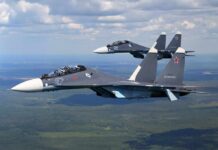
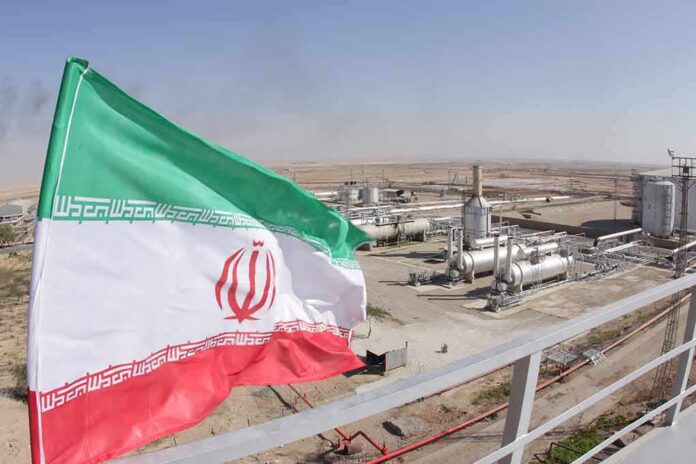
Iran’s Khatam al-Anbiya Central Headquarters and the Islamic Revolutionary Guard Corps warned that any new American attack will face “continuous, effective, and painful” strikes against all United States bases in the region. Iranian media quoted leaders saying they would “definitely change the geography of the war,” signaling a wider target map that includes United States assets across the Middle East. These threats were public, direct, and framed as certain if Washington resumes military action.
Iran tied its warning to regional governments that host United States forces. Statements told host nations to prepare for consequences if they enable attacks, and urged them to activate civil defense plans. This language raises the stakes for partners who provide airfields, ports, and logistics to American troops. The message said countries aligning with a renewed United States campaign “can no longer expect restraint,” putting bases and infrastructure on notice across the Gulf.
Pattern of Retaliation and Claimed Capabilities
Iran backed its threats by pointing to prior responses after earlier strikes. Iranian outlets reported that the Islamic Revolutionary Guard Corps fired missiles and sent drones at United States positions in Jordan and elsewhere after attacks on Iranian territory, including Larak Island. Khatam al-Anbiya later said Iranian forces “powerfully attacked and destroyed” United States bases during those exchanges, though such damage claims are Tehran’s assertions and remain unconfirmed by the United States.
Reports emphasized both the scope and tools of possible action. Iranian media highlighted ballistic missiles and one-way drones as established options, saying they can reach airbases, command nodes, and support hubs across several countries. Additional reporting described a raised alert posture inside Iran, presented as the highest level, meant to show readiness for a broader fight if prompted by a new strike. These details aim to increase deterrence by signaling speed and range.
U.S. Framing: Limited, Targeted Strikes
United States officials described recent operations against Iran as controlled steps to reduce risk at sea, not as a push to widen war. United States Central Command said it hit Iranian command sites and minelaying units to “degrade” capabilities that threaten commercial shipping in the Strait of Hormuz. Officials called actions “limited” and “precise,” designed to stop specific threats while managing escalation, even as exchanges with Iran have spanned multiple countries.
Coverage also noted ongoing United States and Israeli strikes on Iranian targets during earlier phases of the crisis. Reports said the campaign could last weeks, reflecting sustained pressure on Iran’s military networks. That posture seeks to constrain Iran’s moves without accepting Tehran’s attempt to redefine the map. Still, the geographic spread of past exchanges shows how fast tit-for-tat can cross borders, risking host nations that rely on United States security ties.
What This Means for U.S. Forces and Allies
Iran’s pledge to hit “all” United States bases and to hold host states responsible is a direct attempt to split Washington from partners. That strategy pressures governments in Bahrain, Qatar, the United Arab Emirates, Kuwait, Jordan, and Iraq to question the cost of hosting American troops. For the United States, the task is to harden defenses, keep logistics flowing, and make clear that attacks on allies or bases will fail and carry real costs for Tehran’s military leadership.
Iran hands US a new set of conditions for restarting negotiations, warning of retaliation without limitations if any new attacks occur. Reza Hatami has more pic.twitter.com/0QWitWUAIW
— TRT World Now (@TRTWorldNow) September 21, 2026
For readers at home, this is why strong deterrence and clear red lines matter. Missile and drone threats grow when adversaries think America will hesitate. President Trump has said the United States will respond harder if Iran escalates, while the military describes narrow, lawful strikes that protect ships and crews. The goal is simple: defend American lives, keep trade lanes open, and stop a regime that seeks to expand a war map that endangers our troops and our friends.
Sources:
cbsnews.com, en.mehrnews.com, tasnimnews.ir, kurdistan24.net, tribuneindia.com, tabnak.ir, newindianexpress.com, timesnownews.com, hindustantimes.com, nytimes.com, independent.co.uk, apnews.com