
A sweeping new U.S.–Iran understanding promises open seas and lower oil prices, but big unanswered questions could still decide whether this “great deal” truly delivers peace and security for American families.
Story Snapshot
- Trump says a memorandum of understanding with Iran is “now complete” and orders the Strait of Hormuz reopened toll free.[3]
- Reports describe a 60-day ceasefire framework, with nuclear and sanctions issues pushed into later talks, not fully settled yet.[1][2][4]
- Pakistan and other regional players back the deal, but Iranian statements and media reports show major disagreements over key terms.[1]
- The agreement could ease energy prices and tensions, yet the lack of a public text and past Iran deal failures give many patriots reason to stay watchful.[6]
Trump’s Announced Deal: Open Strait, No Nukes, Space for Talks
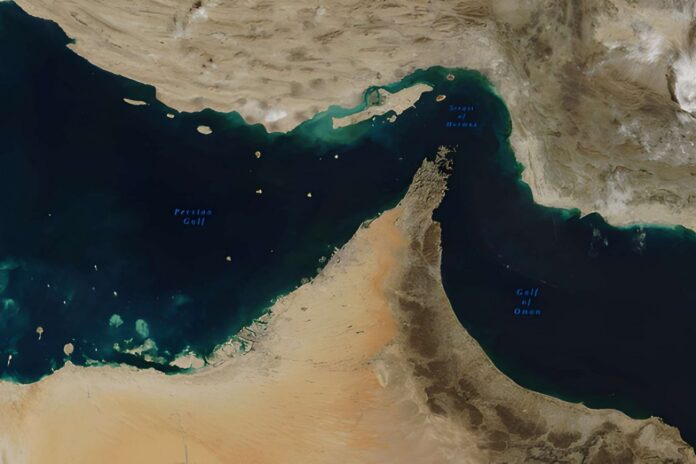
President Donald Trump told Americans that the United States has reached a deal with Iran and that the Strait of Hormuz will reopen so oil can move freely again.[1] In a Truth Social post read on air, he said “the deal with the Islamic Republic of Iran is now complete” and authorized the “toll free opening” of the strait and the removal of the United States naval blockade.[3] He also said Iran has agreed not to obtain nuclear weapons, with inspections and later talks on uranium and nuclear sites.[1]
News outlets report that this understanding is written as a 60-day memorandum of understanding, not yet a full final treaty.[1][2] During those 60 days, both sides are supposed to extend the ceasefire, reopen shipping, and keep talking about nuclear limits, enriched uranium, and sanctions.[1][2] United States officials told reporters the framework would bar Iran from pursuing nuclear weapons and lay out future talks, while also allowing discussion of sanctions relief and unfreezing Iranian assets.[2]
Regional Mediators, Missing Text, and Conflicting Stories
Pakistan has played a major role in getting both sides to the table, with its prime minister saying that a peace deal has been reached and a signing ceremony will take place in Switzerland on a set date.[3][4] This kind of outside pressure matters because countries like Saudi Arabia, the United Arab Emirates, Qatar, and others all depend on safe passage through the Strait of Hormuz. Reports say Trump spoke with many of these leaders as the deal came together, seeking broad support around the region.[4]
At the same time, the full written text has not been made public, even as markets and media react to every new quote.[1] Journalists who asked the White House for the document were told no full text was yet available, even after Trump called the deal “complete.”[1] That gap lets different sides tell different stories. Some accounts say the Strait will reopen right away with no tolls, while others describe “restricted” transit and a step-by-step process that includes clearing mines and setting rules for shipping.[2][3]
Iran’s Public Pushback and the Unfinished Nuclear Question
Iran’s public messaging does not fully match the White House line. Reports say Iranian officials called the arrangement a framework agreement and stressed that nuclear matters were not part of the current signing, but would come later.[1] Other coverage notes that Washington and Tehran are giving different descriptions of what is inside the memorandum, including when and how the Strait reopens, how sanctions change, and what happens to any blocked funds or assets.[1]
⚡JUST IN:
President Trump declares the Iran deal complete, authorizing the Strait of Hormuz reopening and lifting the US naval blockade, set to be formally signed in Switzerland on June 19 💥 pic.twitter.com/WeNgclqYM0— Pulse Alpha (@pulsealpha_) June 14, 2026
For many conservative readers, the nuclear issue is the heart of the matter. Trump has told Americans that Iran “no longer wants a nuclear weapon,” and that the deal would stop Tehran from getting one, whether by building or buying it.[3] But reporting on the talks shows that key nuclear details are delayed into the 60-day period, not fully nailed down on day one.[1][2][4] Past experience with the 2015 Iran nuclear deal, which the United States left in 2018, also makes people on the right skeptical about trusting Iran’s promises.[6]
What This Means for Energy Prices, Security, and Vigilance
The Strait of Hormuz is one of the most important energy routes on earth, so any move to reopen it has real impact on gas prices, inflation, and family budgets here at home.[3] Traders and shippers are already watching for changes as the United States naval blockade lifts and oil tankers prepare to move again. If the maritime parts of the deal hold, energy markets could calm down, easing some of the pain that global shocks and past bad policy put on American drivers.[3]
Still, this is not yet a guaranteed, long-term peace. Even friendly coverage notes this deal mostly creates a 60-day window to try to solve the hardest issues, especially Iran’s nuclear work and sanctions.[4] Military sources also warn that simply de-mining and securing the Strait could take weeks, during which time enemies or spoilers might try to cause trouble.[4] For conservatives who care deeply about a strong America, limited government, and real peace through strength, that means staying informed, asking for transparency, and insisting any final Iran agreement truly protects United States security and sovereignty.
Sources:
[1] Web – “This Great Deal will bring Peace and Security to the whole Region.”
[2] YouTube – Trump announces US-Iran deal to end war, reopen Strait of …
[3] YouTube – Trump Announces Iran Agreement and Reopening of Strait …
[4] YouTube – Trump says deal with Iran agreed and lifts blockade of strait …
[6] Web – Trump says a deal with Iran and opening of Strait …