
Houthi militants claimed fresh strikes on Saudi Aramco energy sites, and President Trump warned that further Houthi aggression would bring “major military punishment.”
Story Highlights
- Houthis said they targeted multiple Aramco facilities with drones and missiles
- Past strikes hit key sites like Abqaiq, Khurais, Ras Tanura, Jeddah, and Yanbu
- Saudi and coalition reports often stress interceptions and limited damage
- Trump vowed severe consequences if Houthi attacks continue
Houthis Announce New Attacks On Aramco Sites
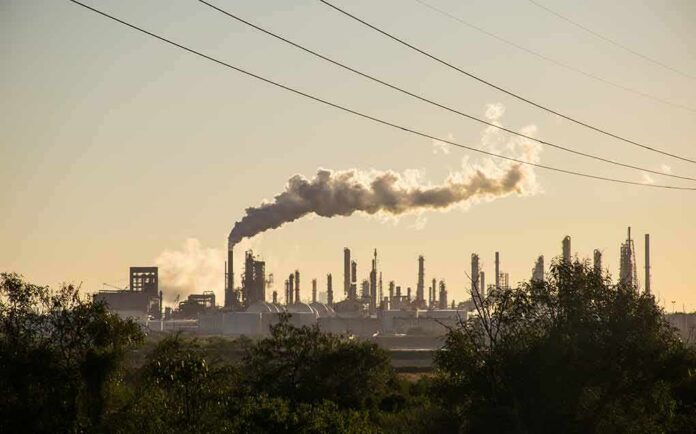
Houthi military spokesman Yahya Sarea said the group launched drones and missiles at Saudi Aramco facilities across several locations. Prior statements from the Houthis have named Jizan, Yanbu, Jeddah, Ras Tanura, Abqaiq, Khurais, and other sites, describing broad strikes on Saudi energy targets. Reuters and other outlets have documented repeated claims by the group that Aramco infrastructure was targeted in coordinated assaults during 2019, 2021, and 2022, showing a clear pattern of intent to hit the oil sector.
Reuters reported that earlier waves included drones and missiles aimed at the core of Saudi Arabia’s oil industry, including a major Aramco installation at Ras Tanura. Those reports echoed Houthi statements naming Aramco facilities among the targets in multiple cities. In other incidents, the Houthis said they struck a petroleum terminal in Jizan and the refinery at Yanbu, while Saudi and coalition officials reported drones and missiles and described interceptions or limited damage after the attacks.
Documented Pattern Of Strikes And Claims
BBC reporting in 2019 described fires at Aramco-run facilities in Abqaiq and Khurais after drone attacks, while the Houthis said they used 10 drones in that strike. That episode became a key marker of the group’s reach and the vulnerability of regional energy supply routes. Later, the Houthis announced attacks on Jeddah and other cities, again naming Aramco sites, as Saudi and coalition statements focused on air defense responses and missiles that fell short or were stopped.
Al Jazeera and other outlets cited Houthi statements that missiles and drones hit Jeddah, Ras Tanura, Rabigh, and Riyadh, reinforcing that these were declared military operations focused on Saudi energy infrastructure. While outside confirmation varies by incident, the consistency of the Houthi messaging over several years underscores deliberate targeting of the oil sector. This campaign aims to pressure Saudi decision-makers and to show that vital facilities remain under threat across a wide area.
Why This Matters For U.S. Energy, Security, And Policy
Energy infrastructure disruptions overseas can ripple into higher prices and shipping delays at home. When hostile actors strike oil facilities, families here can feel it at the pump within days. Published reports have tied some attacks to temporary disruptions or fires, while other incidents saw interceptions and no casualties reported, leaving varied damage outcomes in the public record. Even when damage is limited, repeated strikes raise risk premiums and strain supply chains that Americans count on.
**🇸🇦 Houthis Claim Attacks on Saudi Aramco Facilities… U.S. Temporarily Halts Airstrikes on Iran**
Houthi rebels claimed missile and drone strikes on Aramco oil facilities in Jizan and Yanbu, Saudi Arabia.
– Saudi Arabia issued emergency evacuation orders (actual damage…
— 수고했어~ (@hamhaha00) July 26, 2026
President Trump warned that more Houthi aggression will trigger “major military punishment,” signaling that U.S. policy will deter threats to global energy flows and to partners targeted by drones and missiles. Conservatives expect clear red lines against groups that menace trade lanes and drive up costs for working families. The record shows the Houthis have singled out Aramco facilities many times. That pattern is why firm U.S. deterrence, tighter air defenses, and steady energy output all matter now.
Competing Claims And What We Know
Middle East air-war reporting often features two tracks: attackers announce target lists, while defenders stress interceptions and limited impact. That split runs through Houthi–Saudi clashes. Wire services recorded Houthi claims that specific Aramco plants were hit, and Saudi or coalition updates that some drones or missiles were downed or caused minimal damage. This gap does not erase the threat. It shows why verification and rapid transparency on facility damage help calm markets and inform the public.
What To Watch Next
Watch for satellite images, refinery outage logs, and insurer reports to clarify damage from the latest strikes. Look for Saudi air defense data on interceptions, and official updates on whether production slowed or resumed quickly. Expect the Houthis to tout reach and deterrence, while Saudi statements highlight continuity of operations. U.S. posture will focus on keeping sea lanes open and energy steady. Clear data and quick briefings can blunt propaganda and steady prices for American families.
Sources:
youtube.com, bbc.com, reuters.com