
A van drove into Berlin Pride crowds, leaving one dead and many hurt, as police launched a manhunt and shut down the event.
Story Highlights
- Police say one person died and at least 15 were injured after a van hit crowds near Tiergarten.
- Officers ended the Pride festivities and ordered people to leave while they searched the area.
- Reports described an urgent hunt for one or more suspects after the vehicle fled the scene.
- Officials did not announce a clear motive as investigators gathered facts and reviewed evidence.
Deadly Collision Prompts Immediate Shutdown and Evacuation
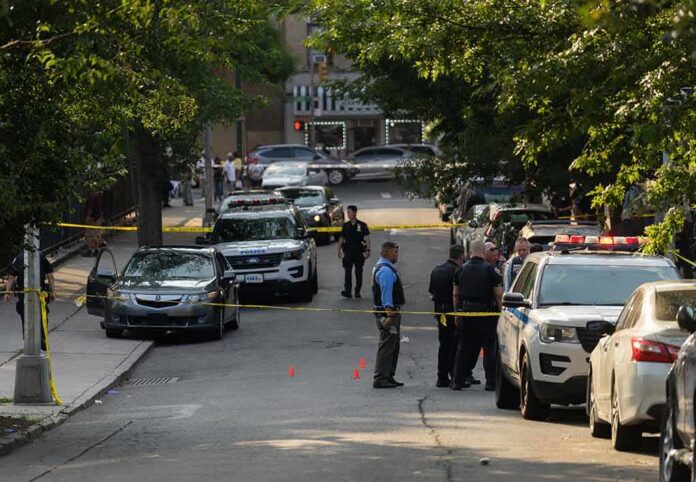
Berlin police ended the city’s Pride celebration on Saturday after a van drove into people near the Tiergarten park and close to the Brandenburg Gate. Authorities confirmed that one person died and at least 15 others were injured, with some facing life-threatening wounds. Officers told attendees to leave the area while emergency crews treated the injured and cleared routes for ambulances. Organizers canceled concerts and parade activities as a “major police operation” moved through the park and nearby streets.
Police communications on the ground focused on public safety and crowd control. Officers used loudspeakers and social posts to push people out of the impacted zone and prevent secondary harm. First responders set up triage points and moved the most serious cases to hospitals. Witness accounts described a white van entering the area shortly before 10 p.m. local time, when streets were still crowded after hours of events and speeches. The location and timing complicated rescue access and lengthened evacuation lines.
Investigators Weigh Motive as Manhunt Unfolds
German media and international outlets reported an active manhunt after the driver left the immediate scene. Early reports varied on the number of suspects, and police did not give final details on identity or motive in the first hours. That caution tracked with standard practice after mass-casualty events, where facts change quickly and officials avoid guessing. Officers secured the vehicle path, collected video, and sought mobile footage from witnesses to map the route and speed of the van.
Some outlets cited officials or sources describing a suspect search and possible extremist links, but police statements given to the public kept to confirmed facts and avoided firm labels until evidence could be tested. This info gap often drives fast online claims that outpace verified findings. Investigators typically review dashcam files, rental records, traffic logs, and phone data to prove intent, rule out mechanical failure, and confirm who was behind the wheel. Police signaled that work was underway, but they did not close the motive question on day one.
Crowd Risk, Public Safety, and Lessons for Large Events
Large parades and festivals create soft targets because streets are crowded, routes are published, and barriers are not uniform. Berlin authorities were on scene in force for Pride, yet a vehicle still reached pedestrians and caused severe harm. Event planners worldwide often layer heavy trucks, concrete blocks, and tight lane closures to stop car attacks. The effectiveness depends on timing, coverage, and choke points. Gaps near parks, side streets, or service lanes can let a determined driver slip through if watch posts are spread thin.
American readers know this threat from past attacks in Europe and the United States. Hardening parade routes, training marshals, and staging medics closer to dense crowds can cut response times. These steps align with common-sense security and limited-government principles: prevent harm through targeted action, not broad crackdowns on speech or assembly. Transparent updates also build trust. Police in Berlin kept messages clear—leave the area, routes are closed, medical care is available—while they sorted facts that could support an arrest and charges.
Why Care in the United States: Security Without Politicized Spin
American officials should study how quickly the Berlin team cleared crowds and preserved evidence. Speed matters when minutes can save lives and video can prove intent. U.S. cities host public events every week, from county fairs to faith parades. Local leaders can review vehicle barriers, rental-van tracking near parade routes, and rapid alert tools that reach people on foot. These targeted tools protect free assembly while avoiding blanket surveillance or heavy-handed rules that punish law-abiding citizens.
German police hunt member of 'Islamist scene' after driver ploughed van into crowds at Berlin Pride event in 'brutal attack' leaving at least one person dead and 16 injured.https://t.co/GJP0eSLlwN via @YouTube
— Tamra M McDougall 🇨🇦 🇺🇸 (@TamraMcDougall) July 26, 2026
Early labels also matter. Rushing to frame an attack or an accident before evidence is firm can mislead families, inflame tensions, and waste police time. Berlin police set a measured tone by confirming casualties and closing the event while they gathered facts. Reported numbers of the injured ranged from 14 to 16 across outlets as hospitals updated case counts. That kind of variance is normal in the first hours. Clear final updates can curb rumor, support justice, and honor the victims with truth, not spin.
Sources:
nypost.com, bbc.com, cbc.ca, usatoday.com, mirror.co.uk, apnews.com