

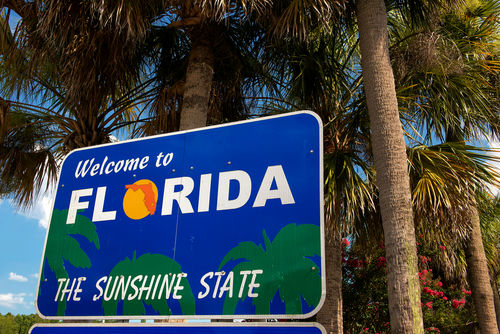
Mass migration turned Florida’s promise of sunny affordability into a scorching affordability nightmare, where dreamers now scramble to afford the dream.
Migration Influx Triggers Cost Explosion
Over 2 million people fled high-tax states like California, New York, and Illinois for Florida since 2020. Remote work during COVID accelerated this exodus from high-regulation environments. Florida gained these net domestic migrants, drawn by no state income tax and warm weather. Population boom strained housing supply immediately. Demand skyrocketed prices across rents, insurance, and groceries. Pre-2020, costs rose modestly at 1.3% yearly. Post-pandemic, growth hit 5.8% annually.
Timeline of Florida’s Price Surge
Hurricanes from 2020-2024 drove insurance premiums to the nation’s highest at $2,794 per year, up 63% since 2020. Rents climbed 85% from $1,200 to $2,208 monthly, ranking sixth nationally by 2025. Groceries exploded: eggs rose 135%, rice 46%, bread 30%. Peak increases hit in 2022. Growth slowed by 2023-2025 but stayed above pre-pandemic levels. ALICE Essentials Index for low-income needs jumped 9.4% yearly from 2021-2023, outpacing the national 7.3%.
Stakeholders Grapple with Affordability Crisis
Florida TaxWatch released its “Mid-Decade Check-In” report in Q3 2025, documenting the surge. The nonpartisan group urges fixes for housing and insurance. Florida Department of Revenue set 2025 cost-of-living adjustments at 2.9%, raising income limits to $41,662 for singles. United for ALICE highlights essentials outpacing wages. Essential workers fall $18,000 short of survival budgets. Policymakers face pressure from residents, 90% of whom fear inflation.
Residents and new migrants experience sticker shock. Insurers hike rates after storms. Lawmakers balance no-tax appeal against reform demands. Florida TaxWatch asserts cost pressures demand Florida-specific action on housing, insurance, and taxes. Common sense aligns: free markets built the boom, but government barriers to supply exacerbate pain. Conservative values favor deregulation to unleash housing development over handouts.
California, New York, and Illinois Lost Over One Million Residents Combined. Over 2 Million Moved to Florida. Here Is What Happened to Florida Cost of Livinghttps://t.co/TmiS4DSfRZ
— 19FortyFive (@19_forty_five) April 24, 2026
Impacts Reshape Florida’s Demographics
Short-term, renters and homeowners bear 85% rent hikes and 63% insurance jumps. Low-income households struggle most, with essentials growth double national averages. Long-term, wealthier residents may dominate as lower earners consider leaving. Florida ranks 18th costliest U.S. state, fourth in the South. Miami and Tampa metros lead regional surges. Combined property tax and insurance top $10,000 yearly for many. Workforce retention risks grow amid 90% inflation concerns.
Sources:
Florida Department of Revenue Cost of Living Adjustment
Florida TaxWatch: Cost of Living in Florida – A Mid-Decade Check-In
United for ALICE: Costs Over Time – Florida