
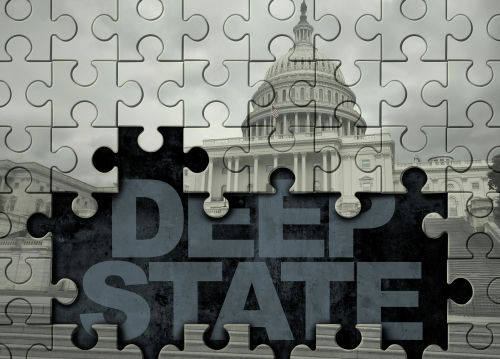
Director of National Intelligence Tulsi Gabbard has publicly accused career intelligence officials of deliberately fabricating narratives and leaking false information to Congress and the media to sabotage President Trump’s peace initiatives and preserve their own power.
Deep State Sabotage of Peace Efforts
Speaking at Turning Point USA’s AmericaFest in Phoenix this January, Gabbard delivered a scathing indictment of intelligence community operations. She detailed how unnamed officials within the intelligence apparatus weaponized classified information, selectively leaking assessments to mainstream media outlets and congressional allies to create public fear about Trump’s diplomatic outreach to Russia. According to Gabbard, these coordinated leaks aimed specifically to block peace negotiations that could end the Ukraine conflict and unlock a substantial trade agreement, despite the war serving no legitimate American national interest while draining taxpayer resources.
Pattern of Intelligence Community Resistance
Gabbard’s allegations build on a documented trail of friction between the DNI and career intelligence personnel throughout 2025 and early 2026. In May 2025, she dismissed National Intelligence Council acting chair Mike Collins and his deputy Maria Langan-Riekhof after they produced a memo contradicting President Trump’s assertions about Venezuelan gang connections, citing their opposition to administration policy. By August 2025, Gabbard escalated her pushback by revoking security clearances for 37 officials and congressional aides without notifying the White House, a move that intensified existing tensions and raised questions about proper coordination within the executive branch on sensitive personnel matters.
Resignations Signal Deeper Conflicts Over War Policy
The pattern of internal strife reached a breaking point on March 17, 2026, when Joe Kent resigned as Director of the National Counterterrorism Center. In his resignation letter, Kent explicitly stated that escalating military action against Iran resulted from political pressure rather than intelligence assessments showing imminent threats to American interests. His departure underscored growing concerns among some intelligence professionals that policy objectives were overriding evidence-based analysis, mirroring historical failures like the flawed Iraq weapons of mass destruction consensus in 2002. Kent’s resignation aligned him ideologically with Gabbard’s reform agenda, positioning both as veterans skeptical of endless military commitments driven by institutional momentum rather than strategic necessity.
Senate Testimony Sparks Firing Rumors
Gabbard faced harsh questioning from Senators Mark Warner and Jon Ossoff during a March 18, 2026, hearing when she skipped portions of prepared testimony that contradicted President Trump’s public claims about Iran rebuilding its nuclear program after recent strikes. Intelligence community assessments reportedly concluded no such reconstruction was underway, creating a direct conflict between the DNI’s written analysis and White House messaging. Senator Ossoff accused Gabbard of deliberately evading facts to avoid contradicting the President, while she cited time constraints for omitting the paragraph. By early April, reports emerged that Trump was polling Cabinet members about potentially firing Gabbard, though the White House dismissed these accounts as “fake news” while issuing defensive statements acknowledging frustrations over her actions.
Echoes of Past Intelligence Failures
Gabbard’s critique resonates with Americans who remember intelligence community missteps that led to catastrophic policy decisions. The 2002 Iraq WMD assessments and the 2016-2020 Russia collusion narratives both involved intelligence consensus that critics argue prioritized political agendas over objective evidence. Her defenders point to this troubling history as justification for challenging institutional groupthink, particularly when intelligence officials appear invested in maintaining conflicts that justify their budgets and relevance. The current standoff over Ukraine and Iran policies mirrors these precedents, with Gabbard positioning herself as a necessary check against what she terms “institutional self-interest” that perpetuates wars lacking clear American strategic benefits while taxpayers fund billions in aid that she alleges involves money laundering schemes.
Economic Stakes and Public Frustration
Beyond national security implications, the intelligence community’s alleged obstruction carries significant economic consequences for ordinary Americans. Gabbard highlighted the potential for a $2 trillion trade deal with Russia that peace negotiations could unlock, contrasting this opportunity with ongoing costs of supporting Ukraine while domestic gas prices surge and global energy markets face disruption. This framing appeals directly to citizens exhausted by government spending on foreign conflicts while their own economic prospects decline. The clash between Gabbard’s reform efforts and entrenched intelligence bureaucracy captures broader frustrations with a federal government that many across the political spectrum believe serves elite interests rather than working families struggling to achieve basic financial security through honest effort and initiative.
Sources:
Tulsi Gabbard DNI Firing Intelligence Crisis – The Town Hall