
A Los Angeles hospital says federal agents blocked its ambulance entrance for about two hours, forcing ambulance diversions and igniting protests that Mayor-elect Nithya Raman joined.
Story Highlights
- The hospital says agents formed a line across its ambulance entrance, prompting diversions for about two hours.
- Federal agents brought a person in custody to the emergency room before the protest escalated.
- Videos showed agents pushing protesters and spraying a substance that looked like pepper spray.
- Mayor-elect Nithya Raman joined protesters outside the hospital and addressed the crowd.
Hospital Reports Blocked Entrance And Diversions
Adventist Health White Memorial in Boyle Heights stated that federal agents formed a line across its ambulance entrance late November 6 into early November 7, and that the hospital did not authorize that action. The hospital said it diverted ambulances to nearby hospitals for about two hours during the blockage. Local outlets echoed the hospital’s account and timing. No patients or specific delays were detailed by name, but the hospital framed the step as necessary to protect emergency access.
Hospital leaders also confirmed that federal agents brought a person in custody to the emergency department before the standoff outside. Staff said they treated that patient with dignity and privacy, the same as any other person who seeks care. The hospital statement tied the agents’ presence to the emergency room visit, while stating that forming a security line at the ambulance entrance was neither requested nor approved by hospital officials.
Protest Escalation And Use Of Apparent Chemical Spray
Protesters gathered outside the emergency area in response to the agents’ presence. Video-based reporting described agents pushing people and using a substance that appeared to be pepper spray as tensions rose. On-scene descriptions from local reporters matched what clips showed. The reports did not identify the exact chemical, but they presented consistent accounts of force used to move the crowd back from the entrance and the driveway lanes near the ambulance bay.
At least two people were detained during the confrontation outside the hospital. Audio captured in social videos included shouts that the detainees were United States citizens, a claim echoed by local rapid-response groups quoted in coverage. Federal departments and local police did not release booking details at the time of publication in those reports. Outlets emphasized the number of detentions and the claims heard on the recordings without naming the detainees.
LAPD Describes Role As Protecting Emergency Access
The Los Angeles Police Department said officers responded after a hospital-security call reported that about 30 protesters had breached the ambulance-access area. Police described their role as maintaining public safety, preserving access to emergency medical services, and keeping the peace outside the facility. Police also said they did not take part in immigration enforcement activity and focused on clearing lanes needed for ambulances and emergency crews to operate.
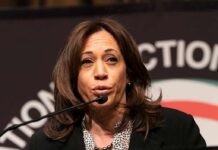
Mayor-elect Nithya Raman joined the protesters outside White Memorial and addressed the crowd. Local coverage documented her appearance and message of support for those demonstrating against federal activity at a hospital site. Her presence placed the city’s incoming leader at the center of a charged debate over immigration enforcement and hospital access. It also ensured this incident would shape early expectations for City Hall’s stance toward federal operations in Los Angeles.
Why This Clash Matters For Hospitals And Cities
This incident lands after the Department of Homeland Security rescinded the long-running “sensitive locations” protection for hospitals in January 2025, a change that removed formal limits on immigration enforcement at health facilities. Legal and health-policy briefings warned hospitals to plan for such encounters, stressing the need to safeguard patient access while navigating federal operations near emergency rooms and ambulance bays under the updated federal directives.
What the hell was ICE doing at this hospital?!
Glad to see that Mayor Elect Nithya Raman was at the protest.Two detained during anti-ICE protest at White Memorial Hospital in Boyle Heights: reports say https://t.co/1qKAlADmQW
— Leone Hankey (@HankeyLeone) November 7, 2026
Local leaders now face a hard balance: ensuring clear routes for ambulances, guarding patient privacy, and managing protests that can form fast when federal agents appear at care sites. The accounts from White Memorial underscore how quickly an enforcement stop can become a public-safety challenge at a hospital door. City and hospital officials will likely review security protocols, traffic control plans, and communication lines to keep emergency access open during any future federal actions.
Sources:
nypost.com, laist.com, latimes.com, nbclosangeles.com