
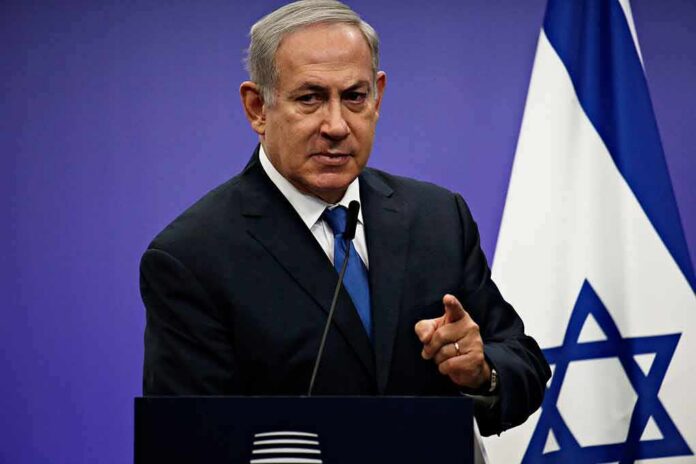
Israel’s high-stakes election opened with Prime Minister Benjamin Netanyahu casting his ballot in Jerusalem as crowds watched and cheered.
Story Highlights
- Netanyahu voted at a Jerusalem polling station as Israel held national elections.
- Supporters sang and cheered as he arrived with his wife, Sara Netanyahu.
- Reports set nationwide polling from morning to late evening on October 27, 2026.
- Coverage framed the vote as a verdict on Netanyahu’s leadership since the October 7 attack.
Prime Minister Votes In Jerusalem Amid Intense Public Attention
French and wire outlets reported that Prime Minister Benjamin Netanyahu cast his vote on Tuesday, October 27, in Israel’s general election. Photos and pool notes placed Netanyahu and his wife, Sara, at a polling station in Jerusalem. Reporters on site described a packed scene as the couple moved through the station and prepared to vote. The moment underscored the tight race and the national focus on turnout, leadership, and security. Election day drew cameras and crowds, reflecting deep stakes.
Associated reports identified a Jerusalem school location, with supporters singing and cheering as Netanyahu entered. The Prime Minister called the moment moving and fateful and thanked voters who showed up early. The scene captured both the intensity and routine of a democracy under pressure. People lined up, poll workers guided the flow, and security stood close. The act of voting was simple and direct, but the meaning was large for a country still on high alert.
Nationwide Polls Opened Early And Ran Into The Night
Wire-based reporting placed polling hours from early morning through late evening on October 27, 2026, across Israel. Voters used paper slips and ballot boxes under close supervision. Local elections in Israel rely on manual counts and signed protocols at each station, which are then compiled and reviewed at higher levels. That design supports transparency and a clear paper trail. The day’s schedule aimed to move millions through thousands of stations in an orderly, secure process.
Coverage across several independent outlets confirmed the date and Netanyahu’s public vote, reducing reliance on a single source. Reporters emphasized that this was the first national vote since the October 7 attack, raising the stakes for security and policy direction. Lines formed early in major cities and towns. Campaign staff across parties pushed turnout, tracked supporters, and urged last-minute voters to get to their assigned locations. The message everywhere was simple: show up and be counted.
Election Framed As A Verdict On Leadership And Security
International coverage framed the election as a referendum on Netanyahu’s leadership after years of conflict and crisis. Analysts pointed to security concerns, high costs, and bitter divides that shaped voter choices. Supporters credited Netanyahu with a hard line on threats and a focus on national strength. Critics pressed for change and different priorities. The ballot tested competing views of deterrence, diplomacy, and domestic stability in a turbulent region.
JUST IN: 🇮🇱 Israeli Prime Minister Benjamin Netanyahu now claims just six hours after polling stations opened that “they are trying to steal the election from us.” pic.twitter.com/jYS4hkA5df
— Rahmeen (@Rahmeen_Rajput) October 27, 2026
France 24’s live reporting also noted Netanyahu’s charge that Arab parties were “trying to steal” the vote amid reports of arrests and envelopes of cash, claims that became part of the day’s political clash while polls remained open. The core, uncontested event remained clear: the Prime Minister arrived at a Jerusalem station, received his materials, and cast his ballot as supporters cheered. Officials kept stations running, and the country waited for the count to tell the rest of the story.
Sources:
reason.com, france24.com, independent.ie, au.marketscreener.com, news4jax.com, indianexpress.com