
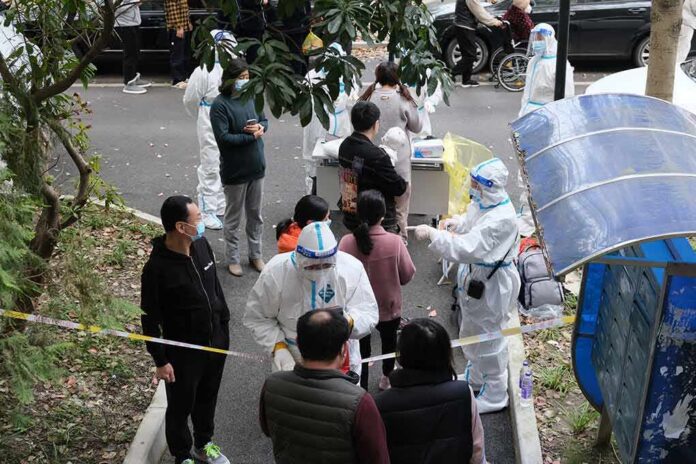
Democratic Republic of the Congo’s latest Ebola outbreak has become its deadliest on record, with officials reporting 2,325 deaths.
Story Highlights
- Officials report 4,945 confirmed cases and 2,325 deaths, a 47 percent fatality rate.
- World Health Organization says this is the largest Ebola outbreak ever recorded in the country.
- The toll surpasses the 2018–2020 outbreak that killed 2,299 people under World Health Organization counts.
- Rapid growth from June to August shows fast community spread during early response gaps.
Record Deaths And Fast Spread Confirmed By Officials
Health authorities in the Democratic Republic of the Congo reported 4,945 confirmed Ebola cases and 2,325 deaths, marking the deadliest outbreak in the nation’s history. The World Health Organization said the outbreak is the largest ever recorded in the country, underscoring the scale of spread. These figures pass the 2018–2020 benchmark and point to intense transmission in affected provinces. The new totals reflect confirmed cases, which officials have tracked as the epidemic accelerated through mid‑summer.
The World Health Organization’s updates show how quickly the outbreak grew. Officials counted 515 confirmed cases and 91 deaths by June 6, then 2,124 cases and 828 deaths by July 15, and 3,605 cases with 1,587 deaths by July 30. That jump in a few weeks matches warnings that the epidemic was outpacing prior events early on. The pattern aligns with late detection and fast community spread before control teams caught up.
How This Compares To Past Outbreaks
The 2018–2020 Ebola outbreak in the Democratic Republic of the Congo ended with 3,323 confirmed and 158 probable cases and 2,299 deaths, according to World Health Organization records. Current reporting now exceeds that death toll, making this episode the deadliest under the same country context. Earlier in July, some outlets ranked the event by case count as second largest. As numbers rose into August, both size and deaths set new national records, removing any ambiguity in the comparison.
Counting rules can differ across reports, which can confuse readers. The World Health Organization often highlights confirmed cases and deaths. Some media and government updates mix confirmed and probable numbers. Even so, the trend line is clear: this outbreak is both larger and deadlier under standard confirmed counts used in recent bulletins. For clarity, the latest 4,945 and 2,325 figures are confirmed-case totals cited by reporting that references official situation reports from August 17.
Why The Growth Accelerated And What Comes Next
World Health Organization leaders warned in July that the outbreak was moving faster than any past one in its first month, citing rapid spread after a delayed start to detection. In May, officials said the virus had likely circulated for about two months before it was found, which allowed wider transmission chains to form. Those early gaps make later control harder. Health teams then face more contacts to trace and more risk of spread across communities and health centers.
Ebola Outbreak Now At Its Deadliest-Ever, Says DR Congo
An Ebola outbreak has now killed 2,325 people in the Democratic Republic of Congo, making it the country’s deadliest outbreak of the virus, according to government figures released Monday.https://t.co/5wMeGv52Kk pic.twitter.com/W3J0sRDEHE
— Channels Television (@channelstv) August 17, 2026
Americans should care because fast-moving outbreaks abroad can strain global supply chains, raise travel screenings, and pull United States teams and funds into urgent work. Strong borders, honest data, and focused aid save lives and protect our economy. President Trump’s administration has pushed for firm screening, secure medical supply lines, and targeted support, not blank checks. That approach aims to stop spread there, keep flights safe here, and defend taxpayers while helping partners contain deadly threats.
Sources:
insiderpaper.com, bbc.com, news.cgtn.com, who.int, news.un.org, reuters.com