
Federal moves to erase seditious-conspiracy convictions risk dulling the law’s edge against real force-based plots.
Story Highlights
- Federal law criminalizes force-based conspiracies against U.S. authority, with penalties up to 20 years.
- Juries previously convicted Oath Keepers and Proud Boys leaders in January 6 cases.
- The Justice Department later sought to vacate or dismiss those convictions, and courts acted on some requests.
- Accountability must target proven force-based conspiracies, not protected speech or peaceful protest.
What The Law Actually Punishes
Congress wrote a clear line into federal law. Seditious conspiracy punishes agreements to use force to oppose U.S. authority, block federal law, or seize government property. The statute carries up to twenty years in prison for those who meet its terms. That line matters. It separates violent schemes from protected speech. It also keeps prosecutors focused on facts that prove an agreement and the use of force, not on harsh talk or unpopular views.
Courts have long warned that “sedition” can be misused against dissent. That history is why the elements are tight and rare. Prosecutors must show a real agreement, a force-based goal, and steps to make it happen. Political advocacy, even rough or loud advocacy, is not a crime by itself. The law targets organized force against the government, not assembly, not rallies, and not criticism of leaders.
What Happened In The January 6 Prosecutions
Federal juries in Washington convicted leaders of the Oath Keepers and Proud Boys of seditious conspiracy or related crimes tied to the January 6 attack. Reporters described the government’s theory as coordinated disruption of the transfer of power, with named defendants and trial evidence that persuaded jurors at the time. Separate filings described alleged planning activities and claimed operational steps that prosecutors said showed preparation and intent. Those trials showed that the statute can be applied in modern cases.
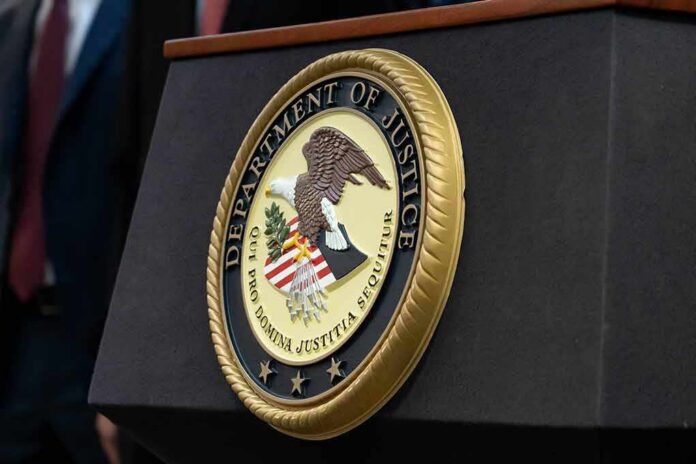
Later, the Department of Justice moved to vacate or dismiss parts of those outcomes. News reports state that officials asked courts to erase seditious-conspiracy convictions for leaders from both groups. Judges then dismissed or considered dismissing related cases in response to those filings. Another report detailed a judge ending a Proud Boys case and criticizing the department’s approach amid broader debate about pardons and executive power. Those steps reduced the deterrent punch of the original verdicts.
Why Accountability Still Matters To Everyday Americans
Working families pay the price when organized violence goes unpunished. Police overtime, damaged property, shuttered offices, and shaken confidence in elections all ripple into public costs. Clear, even-handed accountability protects the peaceful transfer of power and everyone’s rights. The law already narrows the target to force-based conspiracies. That protects the First Amendment and channels the government toward real plots, not protests or speech it dislikes.
Americans deserve a stable record. When the government seeks to erase convictions after juries decided the facts, it blurs that record. That does not rewrite what jurors saw, but it can weaken public trust and future deterrence. The answer is not to stretch sedition. The answer is to enforce the statute as written, publish the admissible evidence, and keep the focus on agreements to use force. That approach is tough on crime and faithful to the Constitution.
How To Keep Both Liberty And Order
Prosecutors should center cases on concrete proof of agreement, planning, and force. Courts should keep rulings anchored to the statute’s text and the trial record. Lawmakers should support transparency so citizens can see what evidence carried the day. At the same time, officials must guard political speech. The line is simple to state and hard to fake: speech is protected; force-based conspiracy is not. Holding that line defends families, small businesses, and the rule of law.
President Trump’s administration is now responsible for steady, even enforcement. That means no blank checks for extremists of any stripe, and no dragnet against dissent. When the facts show coordinated force to block federal law, charge it and prove it. When the facts show only speech or protest, protect it. That balance puts criminals on notice and keeps faith with the Constitution. It also tells every taxpayer that order and liberty can stand together.
Sources:
redstate.com, pbs.org, usatoday.com, inquirer.com, apnews.com, washingtonexaminer.com