

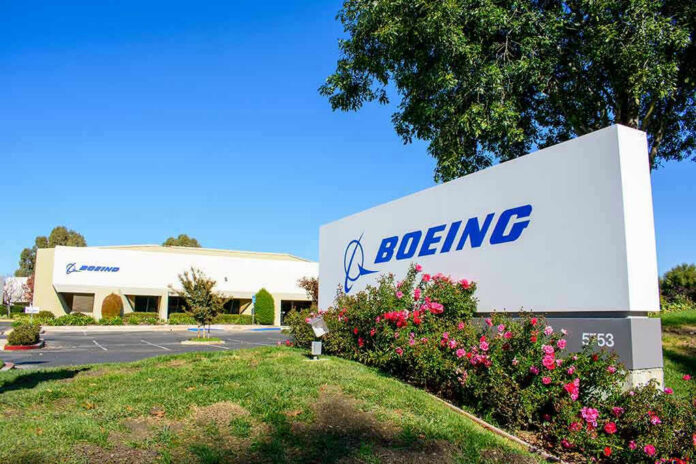
After a fresh technical review, federal regulators signed off on Boeing’s 737-10, clearing airlines to put the long-delayed jet into service.
Story Snapshot
- The Federal Aviation Administration (FAA) approved the 737-10’s amended type certificate on October 20, 2026.
- Boeing finished an extensive test program with 976 flights and over 2,060 flight hours.
- A software concern briefly delayed approval, but FAA experts found no safety risk.
- Approval enables deliveries soon; airline service will follow carrier preparations.
FAA Approval Marks a Key Step Toward Airline Service
The Federal Aviation Administration approved Boeing’s 737-10 on October 20, 2026, by issuing an amended type certificate. That decision clears the final regulatory hurdle before deliveries start. Boeing said agency officials signed the official documents and confirmed the jet met certification requirements. Airlines can now take delivery and complete their own entry-into-service work, like training and maintenance planning. Certification enables delivery but does not itself mean passengers are boarding the jet yet.
Boeing described the 737-10 as the largest model in the 737 MAX family. The company emphasized that certification opens a path for carriers that ordered the jet for busy routes. Airlines will schedule acceptance flights, pilot training, and spare-parts staging before putting planes on routes. Those steps usually take weeks to months, depending on each carrier’s plans and fleet size. The immediate impact is a green light to move airplanes from the factory to customer hands.
Test Campaign: Flights, Hours, and Ground Work Completed
Boeing reported the 737-10 completed a long certification test program before approval. The campaign included 976 flights, more than 2,060 flight hours, and about 1,040 hours of ground tests. After flight tests ended, the company said the program moved into final development-assurance reviews and system-safety assessments. Those activities support the regulator’s technical review and document compliance with safety rules for the new variant’s changes and systems.
Certification for the 737-10 followed the path used for many derivative aircraft. The regulator reviews how the changes from earlier models affect safety, handling, and systems. Engineers document each requirement, run tests, and submit results. Inspectors and technical teams then close findings and sign approvals. Boeing said Federal Aviation Administration officials, not the company, signed the final certification paperwork, confirming the regulator’s decision and authority in the process.
Software Concern Reviewed, Then Cleared by Experts
Late in the process, a software behavior in the flight management computer drew extra scrutiny. The Federal Aviation Administration paused the timeline in late September to determine if the behavior created a safety-of-flight issue. On October 2, a panel of agency experts concluded the glitch did not pose a safety risk. That decision allowed certification work to resume and proceed to final approval later in the month.
Reports said the behavior could affect access to automated guidance in a narrow landing scenario. Investigators examined whether the issue could raise risk during operations. The review concluded it did not. The exact software version and any required mitigations were not detailed in the public summaries. The regulator’s determination focused on operational safety impact, which is the standard for flight-readiness decisions.
What Comes Next for Airlines and Travelers
With approval in hand, Boeing can deliver jets to airlines in the coming months. Carriers will complete training, maintenance setup, and route planning before first flights with passengers. Entry into service will produce real-world data on dispatch reliability and system performance. While certification proves compliance with regulations, airlines will track on-time performance and any reportable events to refine operations and maintenance programs over time.
FAA approval of the 737 Max 10 is a regulatory milestone, not a reputation reset. Certification proves paperwork and test points, not that Boeing’s quality culture, supplier chaos, or delivery math are fixed. Approval just lets the sales team talk again. #Boeing
— harms (@harmszaj5) October 21, 2026
For American workers, suppliers, and travelers, a certified 737-10 signals more seats, better fuel efficiency, and potential fare relief on crowded routes. For regulators, it shows a process that pressed pause to check a software concern, then moved ahead after expert review. For a country that builds, tests, and flies, this milestone reflects a simple standard: safety first, paperwork second, and service when ready. Deliveries now shift the spotlight from approval to performance.
Sources:
youtube.com, boeing.com, cnbc.com, investors.boeing.com, reuters.com, avianticslabs.com