
World Health Organization leaders confirmed a fast-growing Ebola outbreak in Central Africa and set the global risk to low while urging African governments to lead the response.
Story Snapshot
- World Health Organization declared an emergency for Ebola in the Democratic Republic of the Congo and Uganda, not a pandemic.
- Early counts rose from dozens of confirmed cases to thousands within months as surveillance expanded.
- National governments lead operations with World Health Organization support, under international health rules.
- Gaps in contact tracing and community deaths show why fast, local control still matters.
What the World Health Organization Announced and Why It Matters
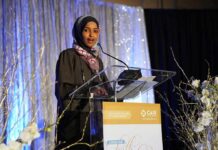
On May 20, 2026, the World Health Organization said the Ebola situation in the Democratic Republic of the Congo and Uganda met the level of a Public Health Emergency of International Concern. The World Health Organization convened an Emergency Committee under the International Health Regulations, which agreed it was an emergency, not a pandemic. The Director-General set risk as very high nationally, high regionally, and low globally in later briefings, signaling urgency without global travel restrictions.
On May 22, the Director-General reported 82 confirmed cases and seven confirmed deaths, with hundreds more suspected across affected areas. He said national governments lead the response, while the World Health Organization and partners support them. That approach follows the rule that countries act first, and global partners back them up. The risk levels stayed low for the world because spread was still local and regional at that time, not worldwide.
How the Outbreak Grew and What the Numbers Show
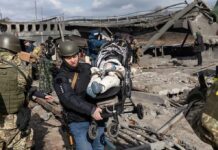
As weeks passed, case totals climbed sharply. By early June, briefings described rapid growth as labs cleared backlogs and field teams found more cases. By September 2, the World Health Organization reported more than 6,000 cases and 3,000 deaths across 60 health zones in six provinces, with Ituri bearing most of the impact. Such jumps reflected better detection and wider spread in known regions, not a sudden, global change in risk.
On October 7, the Director-General said there were 8,665 confirmed cases and 4,178 confirmed deaths. He also noted continuing gaps in contact tracing and that many deaths occurred outside treatment centers. Those facts explain why totals kept rising and why control stayed hard. When contacts are missed, chains grow in the shadows, and families face the burden at home. That is when safe care, transport, and burials save lives and slow spread.
Capacity Gains on the Ground and the Remaining Gaps
On July 16, the World Health Organization reported major capacity gains: more than 800 treatment beds, a surge from one to 16 laboratories, contact follow-up near 80 percent, over 21,000 trained community workers, and stronger safe and dignified burials. These steps are the backbone of outbreak control. Beds isolate patients, labs speed answers, community workers track exposure, and safe burials cut transmission during mourning.
The same briefings admitted that most new cases were still found outside known contact lists, and later updates said tracing still lagged. That honesty matters. It shows where help is still needed: local surveillance, faster lab turnaround, and trusted teams working with families. The World Health Organization stressed that the Democratic Republic of the Congo and Uganda lead the fight, with support from Africa Centres for Disease Control and Prevention and partners, under government direction.
What This Means for Americans and Our Partners
Risk to the United States remains low based on the World Health Organization’s own reading. President Trump’s administration can keep that risk low by supporting targeted border health checks, rapid diagnostics where needed, and aid that strengthens frontline response overseas. Stopping Ebola near the source protects American families, our troops, and our economy. It also avoids blunt, costly rules at home by keeping the problem contained abroad.
Vaccines have saved 150M+ lives in 50 years — but progress is fragile.@WHO Director-General @DrTedros reminds us: funding cuts, conflict, climate, and misinformation are creating dangerous immunity gaps.
Measles outbreaks in dozens of countries prove that health security is… https://t.co/wB0lPh7XLi
— Anyama Charles (@AnyamaCharles8) October 22, 2026
Conservatives expect clear lines of authority and measurable results. Here, the record shows who is in charge, what is being built, and where gaps persist. The World Health Organization declared an emergency, backed national leadership, and tracked capacity gains. Case numbers grew as detection improved, but the global risk stayed low. Continued focus on local control, secure borders, and honest reporting is the commonsense path that defends health and our freedoms while avoiding heavy-handed mandates.