

Police say a Florida man mailed a peanut-butter-smeared card to a woman with a severe allergy, triggering hives and leading to his arrest.
Story Highlights
- Police arrested a 68-year-old man accused of mailing a peanut-butter-covered card to his ex-wife’s friend
- Investigators say the sender knew the woman’s life-threatening peanut allergy
- The woman reported hives and tingling after opening the card, then sought medical care
- Prosecutors charged the man with aggravated battery with a deadly weapon and culpable negligence
Police Account: How A Greeting Card Became A Criminal Case
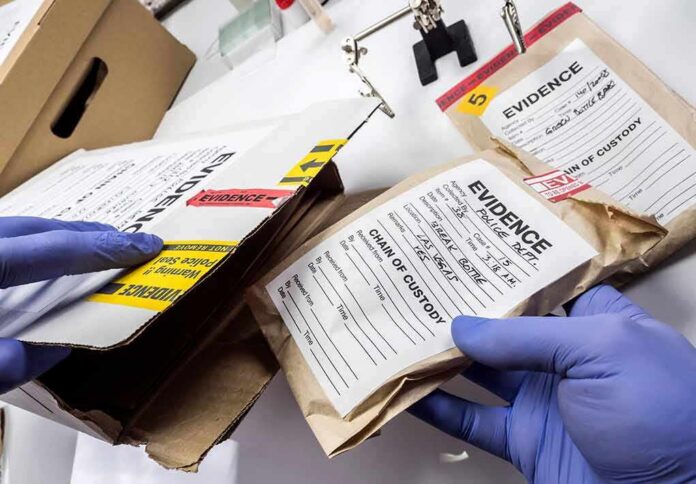
Plantation Police in Broward County arrested Joseph Gerard Cancellare Jr., 68, after a year-long probe into a greeting card that arrived in a blue, greasy-feeling envelope in August 2025, according to local reports based on a probable-cause affidavit. Inside, the recipient found a card smeared with what she recognized as peanut butter. Police say Cancellare blamed the woman, a close friend of his ex-wife, for the divorce and targeted her despite knowing about her severe allergy.
Reporters who reviewed the affidavit say the woman dropped the card, washed her hands, and later developed hives on both arms with tingling that lasted about six hours before seeking medical care. Police arrested Cancellare on November 13, 2026, and booked him into Broward County Jail on charges that include aggravated battery with a deadly weapon and culpable negligence. Coverage notes investigators tied the mailing to a kiosk and stamp code in the inquiry.
The Alleged Harm And The Legal Stakes
The woman did not report anaphylaxis, but she did report a physical reaction that led her to seek care, consistent with allergen exposure. Prosecutors often weigh knowledge and intent when an allergen is used as a tool. In this case, police say the suspect knew the risk and acted anyway. That is why the aggravated battery charge, framed as use of a “deadly weapon,” appears on the docket, as peanut exposure can be fatal for some victims.
Police-focused reports state the incident started with the envelope and card, then moved to victim symptoms and follow-up treatment. Officers documented the sequence and pursued the origin of the mailing. The arrest more than a year later reflects routine steps in building a case: gathering the physical item, checking postal data, and confirming who had a motive and knowledge of the risk. The charges now move to court where evidence will be tested, as in any criminal case.
Why Allergen Harassment Is Taken Seriously
Food-allergy harassment is not a fringe claim. Medical and advocacy literature describes cases where allergens are waved near faces, smeared on surfaces, or slipped into food. For some, even small exposures can trigger strong reactions. Studies and summaries from medical journals and advocacy groups have tracked this pattern in children, showing how often bullying involves threats of exposure and the fear that follows. The core idea is simple: using a known allergen can cause harm, fast.
Those who live with severe allergies build routines to stay safe. They read labels, clean surfaces, and carry epinephrine. When someone deliberately bypasses those safeguards, it removes choice and forces risk on the victim. That is where conservative values come in. Personal responsibility and basic decency mean you do not weaponize food. You do not exploit another person’s medical condition to settle a score. Law and order exist to check exactly this kind of conduct when it crosses into danger.
Public Safety, Postal Systems, And Accountability
Detectives often rely on small details in mail-based cases. Reporters say police followed a stamp identification code and a self-service kiosk image to track the mailing timeline. That kind of paper trail matters. It shows how everyday systems, when used well, support accountability and public safety without adding new bureaucratic powers. The point is not more surveillance. The point is using lawful tools to hold people accountable when they threaten others.
This Florida case also reminds families to have a plan. People with severe allergies should open mail with care if they have reason to believe they are being harassed, keep emergency medication close, and report threats right away. Communities can back them by taking complaints seriously and supporting prompt police action. That approach fits a limited-government mindset: strong laws, clear consequences, and respect for victims’ rights without sweeping new mandates or regulations.
What Comes Next In Court
Now that charges have been filed, prosecutors must prove identity, knowledge, and intent. Defense counsel can contest each element and the link between the card and the symptoms. That is how due process works. But the arrest affidavit, as reported, sets a clear frame: a known allergy, a smeared card, reported symptoms, and a path that investigators believe connects the suspect to the mailing. A judge and, if needed, a jury will decide if that proof meets the legal standard.
Whatever the verdict, the message should be clear. Using an allergen as a weapon is a line no one should cross. In a country that values personal freedom, order depends on responsibility and respect for life. You can debate policy all day, but you do not endanger a neighbor to make a point. That is not toughness. That is reckless harm. Florida authorities treated it that way, and the courts will now do their job under the law.
Sources:
cp24.com, local10.com, tampafp.com, newsfinale.com, lawandcrime.com, cw34.com