
A fresh Democratic feud over massive outside spending in Michigan’s Senate race exposed deep party rifts AOC says are “pushing voters away.”
Story Highlights
- Representative Alexandria Ocasio-Cortez blasted American Israel Public Affairs Committee spending in Michigan’s Democratic Senate primary.
- News reports say pro-Israel groups and allies poured tens of millions into ads backing Representative Haley Stevens.
- Progressive candidate Abdul El-Sayed used the spending as a central argument against Stevens in debates and on the trail.
- The clash shows Democrats’ widening divide over Israel policy, donors, and party direction ahead of November.
AOC’s Charge Against AIPAC Spending In Michigan
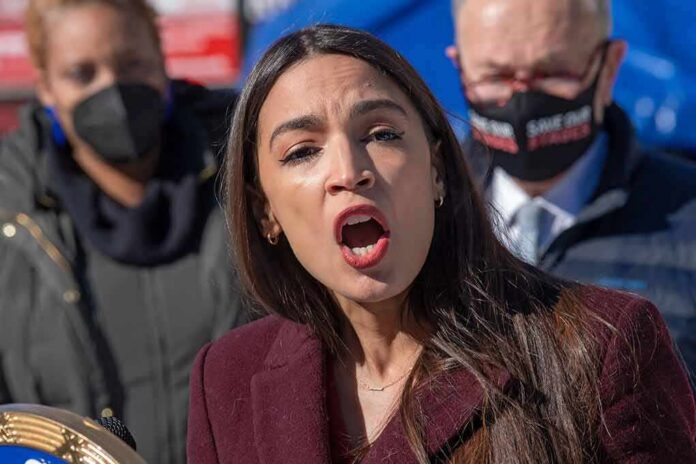
Representative Alexandria Ocasio-Cortez said big money from the American Israel Public Affairs Committee has no place in Democratic primaries. During a press gaggle, she urged leaders to condemn heavy spending by lobbyists and said policy should be set by voters, not donors. In a separate post amplified by coverage, she argued the group pushes voters away from Democrats and wields outsized sway on the Hill. Her comments aimed straight at Michigan’s high-cost Senate primary fight.
Ocasio-Cortez has also aligned with progressive allies who oppose the influence of corporate and pro-Israel money in party contests. She rejected any ties to the group and cast it as harmful to democratic norms, according to her own campaign fact checks and public statements. Her stance sharpened a clean contrast with party figures who welcome such help. That contrast has grown more visible as the Michigan race drew unprecedented national money and attention.
Record Sums Flood A Single Primary
The Associated Press reported the American Israel Public Affairs Committee and its affiliates spent close to thirty million dollars to boost Representative Haley Stevens, calling it the group’s largest single-race investment. The New York Times reported that total outside advertising in the race reached roughly sixty-two million dollars, with more than half tied to the group’s allied super political action committee, United Democracy Project. Those figures made the primary a national test of donor power and messaging.
Campaign events and debates kept returning to the spending question. Bridge Michigan’s fact check recapped how Abdul El-Sayed and Stevens sparred over money and electability in their final debate before the vote. Jewish News Syndicate coverage noted Israel and the American Israel Public Affairs Committee dominated exchanges on stage in Grand Rapids, where El-Sayed pressed the case that donor cash distorted the race. Voters saw weeks of ads, mailers, and rapid-response attacks.
Democratic Family Fight Over Donors And Direction
NBC News framed the Michigan contest inside a larger split in the party over Israel policy and donor clout. The outlet said big checks from pro-Israel groups can help but also hurt candidates with an energized base. That tension gave El-Sayed an opening to paint Stevens as captive to outside interests, while Stevens leaned on moderate themes and her own record. Both sides claimed to defend core Democratic values as they traded shots.
For conservatives, the lesson is simple: Democrats are busy fighting over whose donors get to pull the strings. While they argue about which special interest is acceptable, families still face high prices, border chaos, and energy strains from past left-wing policies. President Trump’s team is focused on restoring security and growth, but this brawl shows Democrats remain split on basics like alliance policy and who sets the agenda—voters or well-funded pressure groups.
What The Clash Means For November
Primary spending totals point to a bruising general election. Heavy outside money can define a candidate early, but it can also brand them as beholden to donors. That risk grows when the debate is about a hot foreign policy issue instead of jobs, crime, and costs at home. If Democrats carry this feud into fall, they may struggle to unite swing voters who want practical answers, not intraparty label wars and attack ads about who funds whom.
Republicans should expect Democrats to keep testing messages about money in politics. Yet their own record shows they tolerate big spending when it helps their faction. The Michigan fight lays that bare. Ocasio-Cortez condemned the cash surge, but Stevens and her allies embraced it. Voters will decide whether those millions spoke for Michigan families—or for a small circle of national donors who drown out local voices.
Bottom Line For Readers
Michigan’s Democratic Senate primary became a proxy war over foreign policy, donor leverage, and who commands the party. Ocasio-Cortez said the American Israel Public Affairs Committee’s money skews the process and pushes voters away, while Stevens benefited from record outside spending that reshaped the airwaves. The fight exposes a party still divided on first principles. Voters who want secure borders, safe streets, low costs, and strong American leadership will be watching the fallout.
Sources:
redstate.com, michigandaily.com, ap.org, nbcnews.com, bridgemi.com, time.com, nytimes.com, x.com