

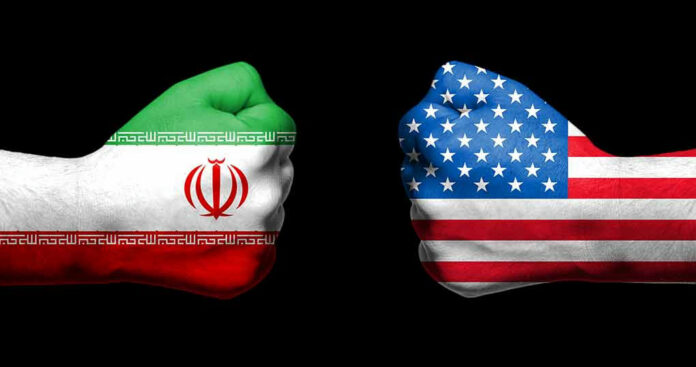
The fight over a new Iran deal could decide whether America chooses endless war, uneasy peace, or a hard‑nosed cold truce.
Story Snapshot
- Trump’s team is weighing three main paths with Iran: a big new deal, a tense cold peace, or more hard pressure.[6][10]
- Recent talks produced only an interim ceasefire and left Iran’s nuclear program and missile threat largely intact.[3][4][15]
- Iran is using control of the Strait of Hormuz and advanced missiles to gain leverage over the United States and global markets.[4][9][14]
- Think tanks and foreign policy insiders keep pushing “pressure first,” while many media voices dismiss real diplomacy as naive.[1][6]
Three Roads Ahead: Deal, Cold Peace, or more Pressure
Policy experts say Washington now faces three basic choices with Iran: try another broad “grand bargain,” settle for a tense modus vivendi, or lean harder into rollback and containment.[6][10] A grand bargain would link nuclear limits, Iran’s proxy forces, and regional behavior in one large deal, with no easy way for Tehran to escape later.[6] A modus vivendi would accept that Iran stays hostile but try to freeze the worst dangers and keep the war from flaring again.[10] Rollback means using sanctions, covert action, and military strikes to weaken Iran’s reach, hoping pressure changes its behavior over time, but at real risk of another long Middle East war.[10]
Between April 2025 and mid‑2026, the United States and Iran tested the diplomatic path in several rounds of indirect talks brokered by Oman and other mediators.[3][1] These meetings were called “constructive” and “serious,” and they led to a June framework to pause fighting and reopen the Strait of Hormuz.[3][4] Yet core disputes over uranium enrichment on Iranian soil and highly enriched uranium stockpiles never got solved.[3][4] That gap helped push both sides back toward missiles and bombs, proving once again that half‑way diplomacy, without firm enforcement, rarely changes a hard enemy.
Iran’s Leverage: Nukes, Missiles, and the Strait of Hormuz
Iran still holds a major trump card with its nuclear program and advanced missiles, even after weeks of bombing.[15][9] Analysts report that Tehran keeps hundreds of pounds of highly enriched uranium near weapons‑grade levels and has spread its sites deep underground, which makes airstrikes alone unable to erase its nuclear know‑how.[15] At the same time, Iran has shown it can threaten or even close the Strait of Hormuz, turning a vital global waterway into a choke point for energy and trade.[14][4] That control gives Iran daily leverage over world markets and forces the United States to think carefully before every move, since any misstep can spike gas prices and hit American families at the pump.
Military experts warn that Iran can fire large waves of ballistic and hypersonic missiles at United States bases, Israel, and Gulf infrastructure, while backing proxy groups like Hezbollah.[9][14] These tools let Tehran answer pressure with pain, even if its economy is weak. They also make simple “regime change” talk unrealistic, because a cornered regime can still cause chaos across the region.[15] For conservatives, this reality argues for strength but also clear limits: we need a posture that protects American lives and vital interests without drifting into another open‑ended war that costs trillions and distracts from our own border, debt, and culture fights.
Why the Old Playbook Keeps Failing
For decades, both parties have tried a mix of sanctions, temporary deals, and shows of force with Iran, yet have not secured a lasting solution.[16][19] Studies on past talks show that most high‑stakes negotiation rounds ended with no final agreement and were followed by more sanctions or military moves.[8][9] Many think tanks in Washington still push “controlled pressure plus diplomacy,” but often treat diplomacy as useful only when backed by threats of escalation.[1][7] On the other side, Iranian strategists openly say that formal deals with the United States are “devoid of efficacy,” and they prefer public posturing over binding accords.[6] When both capitals see talks as theater, it is no surprise that real peace never gets signed.
Media and policy voices often frame anyone arguing for strict, verifiable diplomacy as “soft on Iran,” while defending expensive wars that fail to remove the regime or its nuclear tools.[1][3][15] Several analyses of the recent conflict admit that bombing did not destroy Iran’s nuclear program and may have strengthened hard‑liners running the country.[14][15] For Trump‑supporting conservatives, the lesson is clear: endless wars built on expert promises drain American wealth, risk our troops, and distract from defending the Constitution, fixing our economy, and protecting our border. The real question now is whether the next Iran strategy will finally put America’s security, prosperity, and sovereignty first—through a tough, enforceable deal, a managed cold peace, or a firmer line that avoids yet another forever war.
Sources:
[1] Web – Three Possible Paths Forward for U.S.–Iran Relations
[3] Web – In Iran, Trump Abandons a US Strategy of Coercive Diplomacy
[4] Web – 2025–2026 Iran–United States negotiations – Wikipedia
[6] YouTube – Iran-US Talks Explained: Can Diplomacy Bring Peace To West Asia?
[7] Web – Iran’s Strategic Options: Rethinking Negotiation with America
[8] Web – Diplomatic Strategies for Dealing with Iran: How Tehran Might …
[9] Web – [PDF] U.S. Policy Toward Iran: Strategic Options
[10] Web – Iran’s Options for Responding to U.S. and Israeli Military Attacks in …
[14] Web – Latest Analysis: War with Iran | CSIS
[15] Web – US and Iran showing ‘no signs’ of end to conflict, says Middle East …
[16] Web – Failure of US‑Iran talks was all‑too predictable – but Trump could …
[19] Web – A Strategic Failure in Iran | Cato at Liberty Blog