

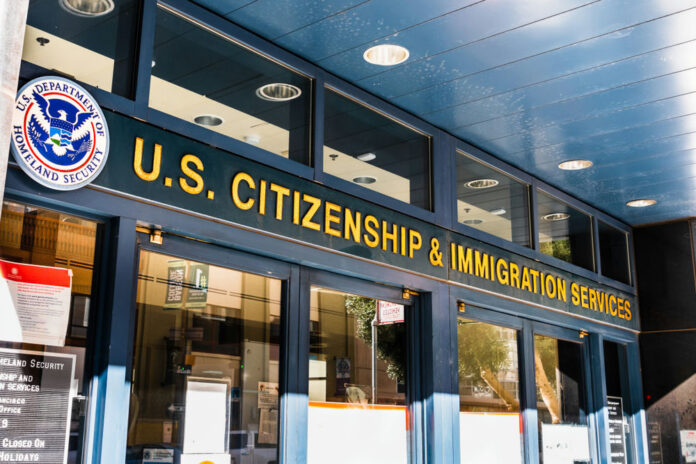
A federal immigration program meant for abused minors is now at the center of a blunt question: did lawmakers build a humanitarian shortcut that criminals can exploit?
Quick Take
- Special Immigrant Juvenile Status (SIJS) is a federal immigration classification for undocumented children who suffered abuse, neglect, or abandonment.[3][7]
- A state juvenile court must first issue a qualifying order before the federal petition can move forward.[3][5][7]
- SIJS can apply to unmarried youth under 21, and in some states the filing window can be tighter.[2][3][5][9]
- The available research describes the process clearly, but it does not prove that murderers or gang members routinely use it to gain status.[1][2][4][7]
What SIJS Actually Does
Special Immigrant Juvenile Status is not citizenship, and it is not an automatic pardon for bad behavior. The materials provided describe SIJS as a humanitarian pathway for undocumented children who were abused, neglected, or abandoned, with the goal of helping them obtain lawful permanent residence later on.[3][5][7] California Courts says the status allows eligible youth to apply for a green card, while Maryland’s People’s Law Library says the process begins with a state predicate order and a petition to United States Citizenship and Immigration Services (USCIS).[3][7]
The structure matters because the first decisive findings are often made in state juvenile court, not by USCIS alone. Maryland’s guide says the youth must show dependency or custody, abuse, neglect, or abandonment, and that reunification with at least one parent is not possible.[3] California Courts gives the same basic outline, and the National Immigration Project materials add that a child must usually be under 21, unmarried, and physically present in the United States.[5][7][9] That is a narrow legal lane, not a free pass.
The “Juvenile loophole” primarily refers to the Special Immigrant Juvenile (SIJ) program in U.S. immigration law.
Key Features:
• Created in 1990 for foreign minors (usually under 21) who cannot return to one or both parents due to abuse, neglect, or abandonment.
• Requires…— 𝒜𝓃𝒾𝓉𝒶𝐹𝓇𝒾𝓈𝓀𝑒💞 (@AFkokogems) June 3, 2026
Why Critics See a Vulnerability
The criticism is not that SIJS exists; it is that the program depends on a chain of findings that can be difficult for the public to verify. The process starts with a juvenile-court order, then moves to a federal petition, and later to adjustment of status.[3][5][6] That multi-step design creates more than one point where bad facts, weak records, or exaggerated claims could matter, especially when family-court files are sealed or hard to inspect.[4][6]
The research also shows why the issue keeps resurfacing in conservative circles. The Illinois-based legal memo on inadmissibility says SIJS applicants can still face immigration problems tied to fraud, prostitution, or drug-related conduct.[4] That does not prove abuse of the program, but it does undercut any claim that SIJS applicants are automatically spotless or that criminal conduct is irrelevant. For readers worried about government overreach and weak vetting, that is a real concern, not a conspiracy theory.[4]
What the Evidence Does Not Prove
The record supplied here does not identify a named murderer, gang member, or sex offender who received SIJS and then naturalized through the program.[1][2][3][4][5][6][7] It also does not show that USCIS or state courts systematically fail to screen serious criminal histories at the SIJS stage.[2][4][6] In other words, the program may have vulnerabilities, but the research does not support the strongest version of the accusation that criminals broadly commandeer it as a pipeline to citizenship.
The federal policy environment has added fuel to the debate. Imprint News reports that USCIS ended deferred-action protection for youth classified as special immigrant juveniles, and the agency said juvenile-court findings were not enough to justify work authorization or protection from deportation.[1] That shift does not prove the program was fraudulent, but it does show the administration is tightening protections rather than extending them. Supporters of stronger enforcement will see that as overdue; advocates for the program will call it harmful to abused children.[1]
The Core Conservative Concern
The real issue is not whether abused children deserve protection. They do. The real issue is whether a program built for vulnerable minors can be manipulated when the government relies on state-court findings, sealed records, and a long paper trail that is hard for the public to audit.[3][5][6][7] In a country already fed up with immigration loopholes, the burden should be on officials to prove the system is airtight before dismissing critics as alarmist.
At the same time, the available research does not justify turning SIJS into a blanket villain. The sources consistently describe it as a humanitarian status for youth who cannot safely reunify with a parent because of abuse, neglect, or abandonment.[1][3][7][9] That means any serious reform debate should focus on one question: how to preserve relief for truly abused children while making sure the process cannot be gamed by liars, traffickers, or violent offenders who know how to exploit weak institutions.
Sources:
[1] Web – Murderers and Gangsters Exploit Illegal Alien Minors’ Naturalization …
[2] Web – Lawsuit Challenges Elimination of Protections for Immigrant Youth
[3] Web – Special Immigrant Juvenile Status | The Maryland People’s Law …
[4] Web – Special Immigrant Juvenile Status – FosterPower
[5] Web – [PDF] special immigrant juvenile status (SIJS) & the grounds of …
[6] Web – Details About Special Immigrant Juvenile Status (SIJS) Findings
[7] Web – [PDF] The Case of the Eroding Special Immigrant Juvenile Status
[9] Web – What is Special Immigrant Juvenile Status (SIJS)?