
A fresh push to punish Tucker Carlson’s advertisers has Christian consumers asking whether boycotts now police faith itself.
Story Highlights
- More than 70 Christian leaders urged Angel Studios to pull ads from the Tucker Carlson Network after a guest said Christianity is “socialism at its core.”
- Christians United for Israel and others blasted Carlson’s Israel-related claims, saying he inverts facts about Christians in Israel.
- Hallow, a Catholic prayer app, faced calls for a Lent-season boycott over sponsoring Carlson’s show.
- Cenk Uygur criticized advertiser boycotts against Carlson, arguing viewers should decide.
Advertiser Pressure Targets Carlson Over Faith Disputes
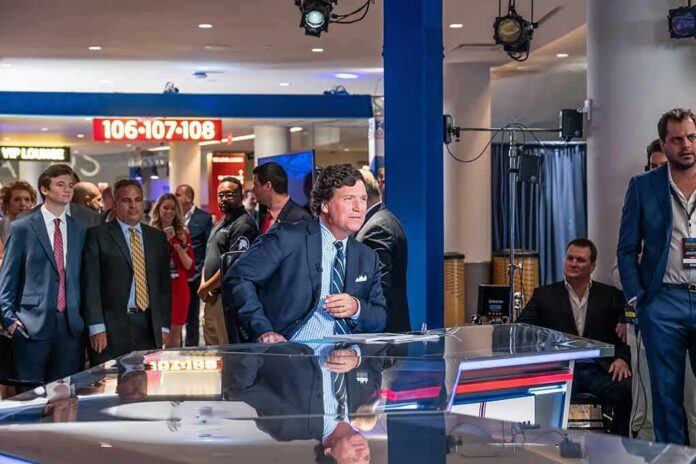
Christian pastors, scholars, and advocates asked Angel Studios to stop advertising on Tucker Carlson’s network after a guest labeled Christianity as “socialism at its core.” The Christian Post reported the coalition had more than 70 signers and framed the demand as a faith defense, not a partisan act. The letter pressed a faith-based company to distance from messaging they said misrepresents Christian doctrine, placing brand managers squarely inside a fast-moving church-and-media fight.
The push did not stop with advertisers. Christians United for Israel publicly argued that Carlson’s claims about Christians in Israel flip reality. Their post rejected the frame that Israel is hostile to Christians and said his assertions mislead believers on core facts. That critique followed months of debate over Carlson’s segments about Israel and Christian Zionism, where his words drew strong responses from pro-Israel Christian voices and Jewish organizations.
Faith Apps And Lent Sponsorships Spark Backlash
Hallow, a popular Catholic prayer app, sponsored Carlson’s show during Lent and quickly met boycott calls. Coverage described a polarized reaction among users—some canceled or threatened to leave, while others supported the partnership. The clash showed how spiritual tools can become flashpoints when advertisers sit near heated cultural debates. It also showed how quickly a devotional brand can face reputational risk once it is linked to contested commentary.
The advertiser fight echoed a wider pattern that blends theology with media activism. Advocacy groups demand brand exits, then supporters warn about censorship and elite control. Even on the secular left, not everyone backed the boycott. Cenk Uygur, founder of The Young Turks, criticized advertiser pullouts, saying the audience should choose what to watch. That argument suggested that market choice, not sponsor pressure, is the better test for speech in a free society.
What Carlson Said About Christianity And Institutions
Carlson has cast some large institutions as cool toward open Christian faith. In a 2025 interview, he said Fox News was “anti-Christian” and that public displays of faith made people there “uncomfortable.” That claim fueled his theme that powerful media and political players want faith pushed out of public life. It also explains why many of his viewers see advertiser pressure as part of a larger squeeze on Christian voices in the public square.
Other critics focused on his Israel-related language and its ripple effects in churches. The Anti-Defamation League backgrounder said he has framed Israel as hostile to Christians and Europe, a stance they view as dangerous and false. Christian commentators likewise warned that some of his claims about Israel and Christian Zionists leaned on stereotypes, and they urged discernment when theology meets geopolitics on talk shows and clips.
How Conservatives Can Read This Moment
Conservative Christians face a clear choice. They can reward brands that respect faith and family values, or they can let activist pressure pick winners. Boycotts cut both ways. When aimed at speech, they risk shrinking the space for real debate about doctrine, borders, war, and the role of the church. When aimed at misconduct, they can correct course. The hard part is telling the difference in a media world that rewards heat more than light.
Practical steps help. First, verify the quote, the clip, and the context before reacting. Second, speak directly with brands you support. Tell them you back open debate on faith and public life, even when you disagree. Third, keep the focus on first principles: the Constitution protects speech, the church guards doctrine, and families need truth, not filtered outrage. That approach honors both free expression and Christian conviction without handing power to mobs or censors.
Sources:
facebook.com, linkedin.com, reddit.com, youtube.com, beliefnet.com