

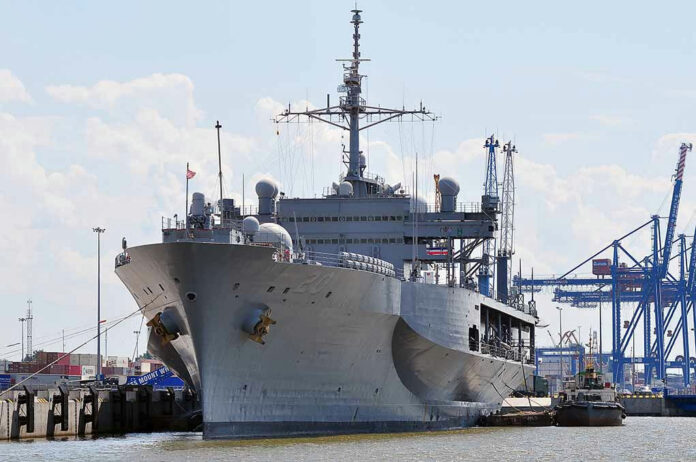
The Navy’s Littoral Combat Ship program turned into a costly mess, and the bill keeps growing.
Quick Take
- The Littoral Combat Ship was sold as a cheap, flexible warship.
- Costs rose far above the original $220 million target.
- Federal auditors said the Navy has not shown the ship can do its intended jobs.
- Reports say the program’s lifetime cost may reach $100 billion or more.
How a Small Ship Became a Big Burden
The Littoral Combat Ship, or LCS, was meant to give the Navy a fast and flexible coastal warship. Instead, the program became a case study in expensive promises and weak results. ProPublica reported that the Navy’s own goals collapsed under higher prices, mechanical troubles, and mission failures. The ships were supposed to be built cheaply and quickly, but the final cost rose far above the first pitch to Congress.
ProPublica said the original price tag was $220 million per ship, but the final cost rose to about $500 million each, with a lifetime total that may reach $100 billion or more. Other reporting put the average cost near $584 million per ship, which shows how far the program moved from its starting point. That kind of growth matters because taxpayers were told they were buying a lean warship, not another runaway acquisition.
Testing Problems and Mission Gaps
The Government Accountability Office said the Navy has not demonstrated that the LCS can perform its intended missions. The agency said testing found defense problems, key equipment failures, and delays in developing mine countermeasure capabilities. That is a serious issue for a ship built around modular mission packages. If the Navy cannot prove the ship can do the work it was designed for, the public is left paying for a platform that still does not fully earn its keep.
The modular concept was supposed to make the LCS adaptable. The ship was meant to swap mission packages for different jobs at sea. In practice, the package system struggled. Reporting on the program says the mission modules were not ready when the first ships arrived, and some were delayed or shelved. That gap between design and deployment is at the heart of the LCS problem. The Navy bought a concept before it had a reliable product.
Mechanical Failures and Survivability Questions
Mechanical trouble made the program look even worse. ProPublica reported that the ships were hindered by failures and never delivered the missions their backers expected. Other reporting says the class has faced cracks in hulls, propulsion problems, corrosion, and engine failures. Those are not small defects on a combat ship. They raise basic questions about readiness, maintenance costs, and whether the Navy got a platform that can hold up under normal use, much less wartime stress.
USS Cincinnati (LCS 20) Independence-variant littoral combat ship in Seal Beach, California – July 13, 2026 SRC: X-@BulletOneOneTwo pic.twitter.com/pCv4OtglHK
— WarshipCam (@WarshipCam) July 13, 2026
Survivability is another major concern. Analysts cited in later reporting said the LCS lacks enough defensive power for contested waters, where a ship must survive real threats, not just training drills. That critique fits a larger pattern in Navy buying: lead ships often miss cost and capability targets, and the LCS is one of the clearest examples. For readers who worry about waste and government overreach, the lesson is simple. Big promises do not matter when the finished ship cannot do the job.
Sources:
propublica.org, 19fortyfive.com, gao.gov, dvidshub.net, forum.gcaptain.com