
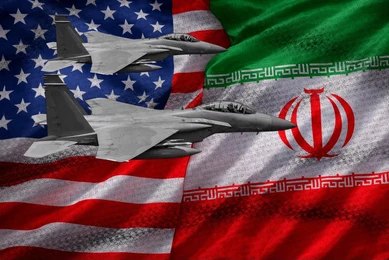
President Trump declared the Iran ceasefire “over” after new attacks in the Strait of Hormuz and vowed to hit Tehran “hard,” signaling a sharp turn back to force over talks.
Story Snapshot
- Trump said the temporary Iran ceasefire is “over” and promised a strong response.
- Earlier deals aimed to reopen the Strait of Hormuz and pause fighting, but tensions rose again.
- Reports and video coverage show renewed strikes and public warnings from the White House.
- Analysts warn inventory strain and wider risks if the fight drags on.
Ceasefire Hopes Fade After Hormuz Strikes
Axios reported that President Donald Trump ended his short ceasefire with Iran on July 8 and said the United States would strike Iran “hard” after attacks near the Strait of Hormuz. Le Monde said the president called the truce “over” as both sides traded fire around vital shipping lanes. These statements marked a break from recent calm. They also set a new tone for United States policy after weeks that mixed pressure with a push to reopen trade routes.
The Council on Foreign Relations noted that the administration had secured a two-week pause, which aimed to limit attacks and stabilize energy flows. The British Broadcasting Corporation described a follow-on pact tied to reopening the Strait of Hormuz and more talks to reduce risk. Those steps suggested a path to de-escalation. The fresh strikes reversed momentum. They also tested the idea that short deals can hold when core disputes remain unsettled on both sides.
Why Hormuz Matters To Your Wallet
The Strait of Hormuz is a narrow chokepoint for global oil. Disruptions there hit families through higher fuel and goods prices. The administration tried to keep tankers moving by linking a ceasefire to reopening the strait. That move aimed to help drivers, farmers, and small businesses who face rising costs when shipping stalls. When rockets fly again, insurers hike rates, shippers reroute, and prices climb. That economic pain lands first on working people, not on foreign elites who sparked the crisis.
Conservatives value peace through strength and clear goals. They also expect Washington to protect energy security without endless wars. The renewed strikes reflect a hard line after Iran-linked attacks. They also raise a core question: what is the end state? If the goal is to stop attacks and keep trade open, then every action should advance that result while limiting open-ended commitments. Short, focused pressure can deter. Unclear missions bleed time, money, and lives. Voters deserve a defined path and a measure of success.
Competing Claims And What Holds Up
Video reports and mainstream outlets confirm the president’s “ceasefire is over” statement and the plan to hit Iran “hard”. These are established facts. Some analysts argue the United States risks longer conflict, depleted munitions, and broader regional strain if it escalates without a tight plan. That concern does not dispute what happened. It warns about what could come next if Washington does not set limits. Responsible leadership weighs both immediate deterrence and long-term costs before widening a fight.
Past brief truces showed promise. The initial pause drew praise for reducing immediate risk and pushing for the Strait of Hormuz to reopen. But quick deals can fail when Tehran tests boundaries, or when red lines are unclear. A sound approach starts with a narrow mission: protect shipping, hit attackers who threaten it, and keep pressure targeted. It avoids vague aims that invite mission creep. Congress should demand clear authorities, firm metrics, and regular public updates before any larger step.
What Conservatives Should Watch Next
First, watch whether the United States keeps the fight limited to stopping direct threats at sea and to bases, or if it expands targets in ways that risk a wider war. Second, track fuel and shipping costs as a real-world scorecard for policy. Third, watch inventory and readiness reports. The United States must not drain key missiles and interceptors faster than industry can replace them, especially with other threats rising in Europe and the Pacific. Guardrails matter more than headlines.
Bottom Line: Strength With A Plan
The president promised a hard hit after Hormuz attacks and said the truce is over. That response can deter more strikes. It must also stay inside a clear plan the public can see and measure. Protect the strait. Shield American troops. Keep energy flowing. Avoid open-ended missions that burn tax dollars and strain our force. Demand results tied to concrete goals. That is how a conservative government defends America, respects our troops, and keeps faith with families feeling the cost at the pump.
Sources:
instagram.com, cfr.org, britannica.com, congress.gov, axios.com, facebook.com