

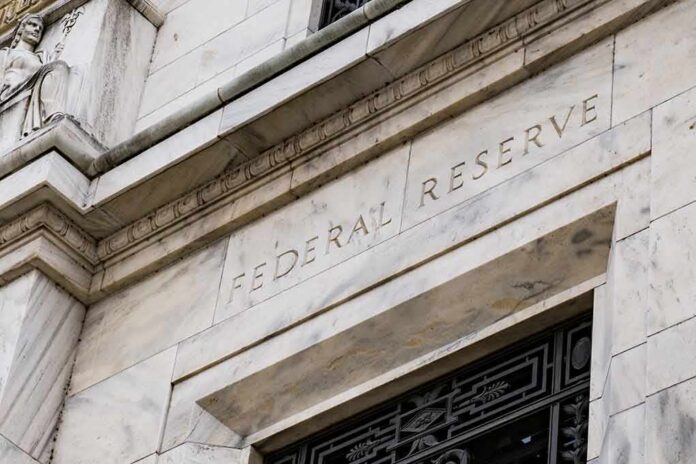
President Trump’s push for much lower interest rates has collided with a wary Federal Reserve, raising the stakes for mortgages, savings, and inflation across Main Street.
Story Highlights
- Trump urges the Federal Reserve to cut rates sharply, aiming to ease borrowing costs.
- Federal Reserve leaders keep rates steady or cut slowly while citing stubborn inflation.
- Markets flag concerns about central bank independence and long-term inflation control.
- Debate centers on growth relief now versus the risk of higher prices later.
What Trump Is Demanding, and Why It Matters to Your Wallet
President Trump has pressed the Federal Reserve to lower interest rates, arguing that Americans need cheaper mortgages, car loans, and business credit to power growth. He has said the United States should have much lower rates than today and pointed to other countries paying less. He made the case while traveling, telling reporters that “rates should be lowered,” highlighting competition abroad and the need to ease costs at home. Supporters see faster cuts as fuel for jobs, investment, and family budgets.
Lower rates can reduce monthly payments and help small firms expand. Homebuyers can qualify more easily. Consumers can refinance debt. These are real gains for families squeezed by high prices and past policy mistakes. Trump allies argue that after years of inflation pain, Washington owes relief. They add that a strong jobs base and better supply chains can help absorb easier money without a flare-up in prices. They want the central bank to match policy to on-the-ground stress, not to old models.
How the Federal Reserve Is Responding
Federal Reserve officials have resisted large, fast cuts, even while making some moves. In recent meetings, the central bank left its key rate unchanged at times and emphasized that inflation remains above its two percent goal. Chair Jerome Powell has said the committee will base decisions on data and has not promised quick easing on the White House’s timetable. The bank’s careful stance signals fear that cutting too soon could let inflation heat up again and hurt purchasing power.
This gap between the White House and the central bank is not new in American life. Past presidents pushed the bank to go easier near elections or during slowdowns. Today’s version is sharper because many families still feel high housing and energy costs. The Federal Reserve worries that political pressure could sway policy away from stable prices. That is why leaders stress independence when they explain rate choices, even as they acknowledge growth concerns and credit stress.
Markets Weigh Independence, Inflation, and “Who’s in Charge”
Financial markets watch the back-and-forth closely. Investors have warned that open pressure on the central bank can shake trust in its focus on price stability. Reuters reported that Trump’s clash with the bank sparked a rally behind Powell and raised questions about central bank independence, which many economists view as vital to keeping inflation in check. If traders think the bank will back off the inflation fight, longer-term borrowing costs can rise anyway, defeating the goal of cheaper credit.
Some analysts describe a risk called “fiscal dominance.” That is when keeping government borrowing cheap becomes more important than fighting inflation. Reporting has linked Trump’s call for faster cuts to lowering the federal interest bill, a concern as debt costs rise. If markets believe that motive guides policy, they may demand higher yields to protect against future inflation. That can push up mortgage rates even when the bank trims its short-term policy rate, which hurts homebuyers and retirees on fixed incomes.
The Core Trade-Off: Relief Now vs. Price Stability Later
The policy trade-off is simple but serious. Faster rate cuts can offer quick relief to families with loans and to small businesses that need working capital. But if inflation flares again, paychecks buy less, and the Federal Reserve may have to slam the brakes later. Reuters has noted that inflation has run above the bank’s target for years, keeping officials on guard and slowing the path to easier money. That tension explains the central bank’s patient tone and the market’s jumpiness.
🚨 The Fed may be heading for a showdown with Trump.
Fed Chair Kevin Warsh is facing pressure from financial markets to raise interest rates — putting him on a collision course with President Trump.
👀 Who wins: Wall Street, the Fed or the White House? https://t.co/AR1pD5S0es
— Llewellyn (@l_u_visser) September 14, 2026
Conservatives want growth, lower costs, and a strong dollar. They also value rules over raw power. The Constitution gives Congress the purse, and the law grants the central bank space to defend price stability. The smart path is a clear plan: cut when inflation is tamed, protect savers, and keep politics from steering the money printer. That keeps faith with workers, small firms, and retirees. It also ensures any rate relief sticks—without another round of price spikes stealing it back.
Sources:
reuters.com, en.bloomingbit.io, usatoday.com, cnbc.com