

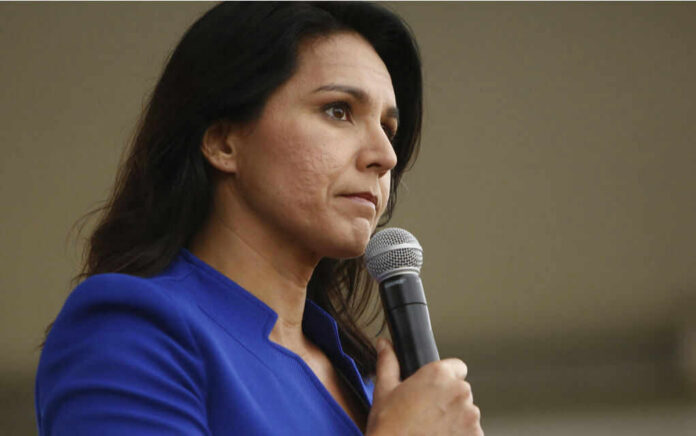
A Washington Post columnist, Marc Thiessen, urged prosecution of the paper’s own alleged “traitor” source after Tulsi Gabbard refused to use that label for Edward Snowden during her Senate hearing.
Story Snapshot
- Marc Thiessen called Tulsi Gabbard’s Snowden answer “disqualifying” and pushed a hard line on traitors.
- Gabbard told senators Snowden “broke the law” but would not call him a “traitor” despite repeated questions.
- Reports show bipartisan pressure on Gabbard to use the traitor label during the 2025 hearing.
- Gabbard said she would not support clemency or a pardon for Snowden.
What sparked Thiessen’s demand
Media coverage on January 30, 2025 reported that Marc Thiessen blasted Tulsi Gabbard’s testimony after she declined several times to call Edward Snowden a traitor. Thiessen said the traitor question was a “softball” and her refusal was “disqualifying” for the nation’s top intelligence post. His push underscored a long-running split on Snowden. Many on the right see Snowden’s leaks as a grave breach that helped enemies. Others narrow the debate to legal labels, which can blur real harms.
Hearing reports confirmed the exchange. Senators from both parties pressed Gabbard again and again. She answered that Snowden “broke the law,” and said she did not support what he did. But she would not say “traitor.” Coverage from major outlets showed the same pattern. The traitor label became the key test in the room, even more than policy plans or reforms Gabbard might pursue as intelligence chief.
What Gabbard actually said under oath
Gabbard told the committee that Snowden’s conduct was illegal. She said she did not agree with how he released the information. She also said she would not recommend clemency or a pardon, moving away from earlier years when some called Snowden a whistleblower. Those statements showed a firm stance on the law. Still, she declined to use the traitor word, which some senators and commentators demanded as a clear signal of judgment about Snowden.
The bipartisan pressure was intense and sustained. National outlets described the Snowden question as the hearing’s main flashpoint. They reported repeated attempts to get a yes-or-no on “traitor,” with Gabbard holding to the same line. She focused on unlawful conduct and on guarding the Constitution and privacy, not on a single charged word. The stand-off fed headlines and fueled Thiessen’s attack the same day.
Why the traitor label became a loyalty test
Senate questioning and commentary often turn the word “traitor” into a test of resolve. That happened here. Some lawmakers have used stark language. One top Democrat on the Senate Intelligence Committee has called Snowden “an egotistical serial liar and traitor” who should “rot in jail.” That posture signals zero tolerance for leaks that damage national security, and it raises the bar for nominees who must lead the intelligence community.
For conservatives, the core issue is trust and accountability after years of surveillance abuses and double standards. Many Americans remember how the security state hid programs that swept up data on law-abiding citizens. They also saw leakers harm missions and allies. A Director of National Intelligence must protect sources, methods, and troops. That job needs clear moral lines. Thiessen’s reaction framed Gabbard’s words as falling short of that clarity, even though she rejected clemency and affirmed the law.
How this debate fits 2026 priorities
President Trump’s team has set a mandate: secure the nation, end politicized intelligence, and defend constitutional rights. That means two truths at once. The government must shut down illegal spying on Americans. It must also punish leaks that arm our enemies and put our people at risk. The Senate hearing showed how a single word can overshadow both aims. Clear policies, not cable-ready labels, must guide the next intelligence chief’s actions.
Conservatives should insist on straight answers and strong rules. Leaders must state whether they judge Snowden’s leaks as aiding adversaries and harming troops. They must also commit to lawful oversight that protects the Fourth Amendment. Gabbard said Snowden broke the law and opposed clemency. Yet she avoided “traitor.” Thiessen wants prosecutors to send a broader message. The Senate must now judge words and deeds together to keep faith with the Constitution and with those who serve.
What to watch next
Watch whether senators tie their votes to the traitor label or to concrete plans to deter leaks, protect privacy, and fix surveillance. Look for clear commitments on discipline for mishandling secrets and for strong audits that defend Americans’ rights. Track if editorial voices keep pressing for prosecution signals from the top. The stakes are high: restore integrity to intelligence, uphold the law, and keep our people safe without growing a surveillance state that tramples liberty.
Sources:
mediaite.com, axios.com, responsiblestatecraft.org, jewishinsider.com