
U.S. forces struck key Iranian military targets to keep the Strait of Hormuz open after Iran fired on its neighbors and threatened global shipping.
Story Highlights
- U.S. Central Command hit Iranian command centers, drones, and coastal surveillance tied to Hormuz threats.
- The latest U.S. wave lasted about two hours and struck dozens of targets, officials said.
- Iran answered with attacks on Gulf partners and threats to close vital energy routes.
- Analysts say Hormuz disruption endangers oil, trade, and insurance costs worldwide.
What Triggered The New Strikes
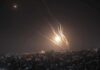
United States Central Command said American forces carried out precision strikes on Iranian military sites, including command hubs, drone depots, communications nodes, coastal surveillance, and maritime assets. Commanders said the goal was to cut Iran’s ability to menace civilian ships in the Strait of Hormuz and nearby waters. Officials described a sustained operation that hit dozens of targets and wrapped up after about two hours, signaling a focused push to restore maritime safety without a wider ground fight.
President Trump directed consecutive strike nights earlier in July to weaken Iran’s missiles, drones, and coastal defenses that threaten shipping lanes and U.S. forces. Reporting described waves aimed at the very systems Tehran uses to track and harass vessels and to target allies in the region. The Pentagon presented the actions as a direct response to Iranian rockets launched toward U.S. forces and as a bid to deter more aggression at sea and on land, while keeping escalation under control through limited, targeted force.
Iran’s Retaliation And Escalation Risks
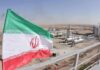
Iran’s military and its Revolutionary Guard vowed to punish the United States and warned partners who assist Washington. Tehran claimed the United States violated a ceasefire and promised to answer any “aggression,” framing the fight around control of Hormuz. After a week of U.S. strikes, Iran broadened attacks on Gulf allies and Jordan, pushing the conflict beyond Iran’s borders and increasing risks to regional infrastructure and shipping routes that move critical energy supplies.
Iranian officials threatened to close more export routes and declared the Strait of Hormuz an “unbreakable red line,” raising alarms for oil and gas flows that power our economy. This is not idle talk. Experts say Iran can use mines, drones, missiles, and small attack boats to disrupt traffic and drive up risk premiums on cargo. Any prolonged hit to Hormuz can spike costs, unsettle markets, and stress families already battling high prices from earlier policy mistakes.
Why Securing Hormuz Matters To American Families
Roughly one-fifth of the world’s oil moves through the Strait of Hormuz, making it a pressure point for energy prices and supply chains. When Iran menaces ships, insurers raise rates, shippers reroute, and costs climb. Analysts warn that chokepoint instability affects freight reliability, delivery times, and fuel prices far beyond the Gulf. Stabilizing the corridor protects American drivers, small businesses, and retirees on fixed incomes from another round of painful price shocks linked to global insecurity.
Officials argue that hitting Iran’s coastal radars, drone hubs, and missile sites helps stop harassment before it reaches tankers and allied ports. This approach aims to deter strikes on U.S. troops and restore safe passage without sliding into a large ground war. The plan aligns with conservative priorities: peace through strength, freedom of navigation, and a clear message that America will defend lawful trade and our partners. The alternative is letting a hostile regime tax the world’s energy lifeline by force.
The Bottom Line For Conservatives
Protecting Hormuz protects American wallets and our national interest. The United States is targeting the exact Iranian tools used to threaten ships and allies, while keeping operations tight and time-limited. Iran’s vows to expand the fight and close routes show why firm deterrence is needed now. Measured U.S. strikes, backed by strong diplomacy, give the best chance to keep energy flowing, stop regime bullying at sea, and avoid a wider war that none of us want.
Sources:
military.com, reuters.com, cnn.com