
CNN issued an on-air clarification after Virginia Governor Abigail Spanberger tied President Trump’s mail-ballot policy to military voters, even though military and overseas ballots are exempt under federal rules.
Story Highlights
- CNN’s Wolf Blitzer clarified that Trump’s mail-ballot policy does not block military or overseas voting.
- Virginia Governor Abigail Spanberger linked Trump’s policy to military voters during a CNN segment.
- Federal guidance shows the Postal Service rule exempts ballots covered by the military and overseas voting law.
- Trump’s earlier order did direct a change to a military voting form, which adds context to the debate.
CNN’s Clarification After Spanberger’s Segment
CNN anchor Wolf Blitzer told viewers that President Trump’s mail voting moves do not stop troops or overseas citizens from casting ballots. He issued that clarification after a segment where Virginia Governor Abigail Spanberger warned about threats tied to mail voting. The on-air note came as CNN discussed court actions and policy fights over postal rules for ballots. The network’s correction focused on a key fact: the military and overseas category is carved out by law and policy.
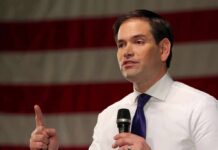
Spanberger appeared on CNN to react to a judge pausing part of the Postal Service plan linked to Trump’s executive order. She spoke about fear and access to voting in the mail system. Her remarks left some viewers thinking troops abroad could be blocked. That is not how the current Postal Service rule reads. The rule’s text and summaries say it does not apply to ballots that fall under the military and overseas voting law, which protects those voters’ mail access.
What The Postal Service Rule Actually Says
Congressional research on the Postal Service ballot rule lays out the line clearly. The rule implements parts of Trump’s 2026 order on mail voting processes. It creates new handling steps for most domestic mail ballots. But it does not cover ballots sent to or from military and overseas voters who are protected by the federal Uniformed and Overseas Citizens Absentee Voting Act. That carveout is explicit in the rule explanation and related summaries prepared for lawmakers and the public.
That protection reflects long-standing federal law. The Election Assistance Commission explains that the military and overseas law requires states to allow those citizens to register and vote by absentee procedures for federal offices. It is a separate track with firm deadlines, special forms, and mailing standards built to fit the reality of deployment and life abroad. That framework keeps service members and overseas citizens from getting tangled in new domestic ballot steps.
Why Spanberger Pointed To The Military Anyway
Spanberger’s case rests on a different part of the story. In 2025, the White House ordered the Defense Department to change the Federal Post Card Application that military and overseas voters use. The order said the form must require documentary proof of United States citizenship under the order’s definition. That directive touched the very form many troops rely on to request ballots. So, while the Postal Service mail rule exempts those voters, the broader executive order did reach into their process.
This is where two truths meet. First, the Postal Service rule that drew headlines does not restrict military and overseas ballots. Second, the earlier White House directive did aim to add a document proof step to a core military voting form. That mix allowed some guests, advocates, and anchors to speak about “military ballots” in broad terms, while critics replied that the postal rule never touched them. Careful language matters when the audience is trying to sort out who is affected and how.
Court Fights And Media Responsibility
Federal courts have stepped in at points to pause parts of the mail policy rollout. Advocacy groups hailed an injunction that stopped the Postal Service from putting certain rule changes in place nationwide. Those court orders target specific sections and timelines. They do not erase the military and overseas exemption. But they do add confusion as agencies adjust and as cable segments compress complex rules into quick sound bites for viewers who want straight answers fast.
SPANBERGER MILITARY BALLOT FEARS UPENDED CNN rushed a correction after Virginia Gov. Abigail Spanberger and Wolf Blitzer implied President Trump’s mail-voting warnings could leave U.S. military and overseas voters unable to cast ballots—despite the Posta… https://t.co/27g8QO4sff
— KOLLMAN REPORT (@RonKollman) September 2, 2026
For conservative readers, the lesson is simple. Media claims should match the text of the rules. When they do not, corrections need to be swift and clear. CNN’s clarification moved the facts in the right direction by stating troops are not blocked by the postal rule. Voters also deserve the full picture that the 2025 order pressed for a document proof step on the military’s ballot request form. Strong election integrity and respect for our service members can and must go together.
Sources:
thegatewaypundit.com, justthenews.com, usvotefoundation.org, usatoday.com, cnn.com, whitehouse.gov