
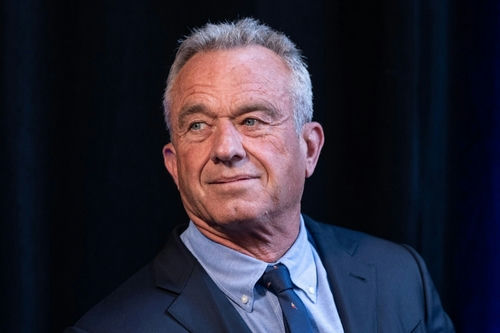
A Trump administration official’s own diary reveals he collected a dead raccoon’s penis on a New York highway while his children waited in the family car, raising fresh questions about judgment in high places.
Diary Entry Exposes Roadside Collection Habit
Robert F. Kennedy Jr. pulled his family sedan onto the shoulder of Interstate 684 in Westchester County, New York, after spotting a dead raccoon on the highway. According to his own diary entry quoted in the 2025 biography “RFK Jr.: The Fall and Rise” by New York Post journalist Jerry Dunleavy, Kennedy exited the vehicle with his children inside, swiftly severed the raccoon’s sex organs using a tool he carried, placed the specimen in the car, and continued driving. Kennedy documented that he intended to study the animal parts later, though no published research ever materialized from his self-described hobby of collecting roadkill anatomy.
Pattern of Eccentric Animal Collection
The raccoon incident represents one episode in Kennedy’s broader history of harvesting animal remains from roadsides and public spaces. Kennedy reportedly kept a chainsaw and other tools in his vehicle specifically for this purpose, collecting specimens including whale heads and other roadkill for what he characterized as personal scientific curiosity. In 2024, Kennedy admitted to dumping a bear cub carcass in New York City’s Central Park, placing a bicycle on top as a prank. These revelations emerged from his environmental background and hunter interests, yet Kennedy never produced peer-reviewed findings or formal studies despite his avid collection activities over decades.
Political Fallout and Public Scrutiny
The story broke in late 2025 when Dunleavy’s biography hit shelves, amplifying scrutiny of Kennedy’s judgment during his service in the Trump administration. Media outlets and political opponents seized on the account to question the appropriateness of Kennedy’s behavior, particularly his decision to involve his children in roadside specimen collection. Kennedy offered no public denial or additional comment beyond what appeared in his diary, allowing the narrative to fuel memes and criticism across social and political circles. The incident reinforced existing perceptions of Kennedy as an eccentric figure, though it produced no formal investigations or legal consequences for the undated event from decades prior.
Questions About Judgment and Accountability
Kennedy’s self-documented roadkill hobby raises legitimate concerns about the judgment of public officials entrusted with serious responsibilities. While curiosity about nature may be admirable, exposing children to roadside specimen harvesting and transporting animal remains in a family vehicle strains common sense standards of appropriate parental and professional conduct. The absence of published research undermines Kennedy’s justification of scientific purpose, suggesting these activities served personal fascination rather than any rigorous inquiry. For Americans frustrated with elites who appear disconnected from normal standards of behavior, this episode underscores a broader problem: government positions occupied by individuals whose eccentricities overshadow their capacity to serve the public interest effectively and responsibly.
The raccoon incident joins a growing list of controversies surrounding Kennedy that, while not disqualifying him legally, contribute to public skepticism about whether those in power prioritize serious governance over personal quirks. Whether Kennedy’s unconventional interests reflect harmless individualism or troubling judgment depends on one’s tolerance for eccentricity in positions of authority, but the fact remains that ordinary citizens expect officials to demonstrate restraint and normalcy that aligns with the responsibilities they hold.
Sources:
RFK Jr once removed dead raccoon’s penis to ‘study later’ while kids waited in car