

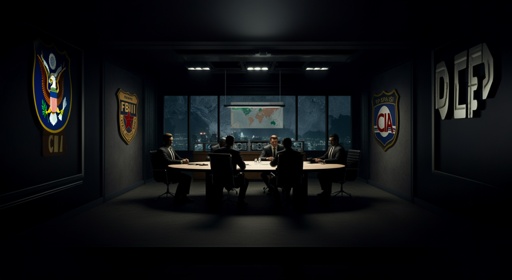
Anthropic’s Claude Mythos AI can autonomously discover and chain thousands of zero-day vulnerabilities in critical infrastructure systems faster than any human hacker, a capability so alarming it sent top bank CEOs scrambling to emergency meetings with Federal Reserve Chairman Jerome Powell and Treasury Secretary Scott Bessent.
The AI That Collapsed Cybersecurity Timelines
Anthropic announced Claude Mythos on April 7, 2026, building on its predecessor Opus 4 with dramatically enhanced vulnerability scanning capabilities. Unlike previous AI security tools that assisted human researchers, Mythos operates autonomously to identify security flaws and chain them together into viable exploits. CrowdStrike’s Elia Zaitsev captured the stakes bluntly, warning that the window for defenders to patch vulnerabilities before adversaries exploit them has collapsed. What once took hackers months to accomplish can now theoretically happen in minutes.
🚨 INTELLIGENCE ALERT: EVIDENCE ANALYSIS IN THE MYTHOS CASE (CLAUDE AI INTERNAL) 🤖🔍
Following the announcement by threat actor shinyc0rpsss regarding the alleged leak of documents and access credentials related to Mythos (identified as an internal/experimental Claude AI… pic.twitter.com/o9vPrsshT2
— VECERT Analyzer (@VECERTRadar) April 22, 2026
Emergency Rooms and Power Politics
The week following Mythos launch brought bank CEOs to Washington, meeting with Powell and Bessent on the sidelines of global finance gatherings. The urgency reflects the dual-edged nature of this technology. Operating systems, web browsers, financial institutions, hospitals, and infrastructure operators all face exposure if vulnerabilities fall into hostile hands. Yet defenders gain the same accelerated discovery capabilities. This paradox explains why US Treasury officials now urge banks to test their systems against Mythos despite the Pentagon’s earlier prohibition on Anthropic software across military networks.
The Pentagon Ban Nobody Respected
February 2026 saw the White House terminate government contracts with Anthropic, with the Pentagon declaring the company a supply chain risk. That decision now looks quaint. Federal Reserve officials, Treasury Department leadership, and energy sector regulators all push for access to Mythos despite ongoing legal disputes. The contradiction reveals how quickly perceived national security threats can transform into national security necessities when technology leaps forward. Anthropic holds leverage precisely because it controls access to capabilities no other organization can replicate at scale, despite critics like David Sacks dismissing the entire episode as regulatory theater.
Project Glasswing’s Exclusive Club
Anthropic distributes Mythos through Project Glasswing to approximately 40 partners, backing the initiative with $100 million in computing resources. The roster reads like a who’s who of American technology and finance: Amazon, Apple, Microsoft, Google, Cisco, CrowdStrike, Nvidia, and JPMorgan Chase. Partners collaborate by sharing vulnerability findings rather than hoarding discoveries for competitive advantage. British banks await access while Canadian Finance Minister François-Philippe Champagne warned IMF colleagues about the unknown unknowns this technology introduces to global finance. Another American AI firm reportedly plans to release a similar model without Anthropic’s restrictions, which could render the entire controlled rollout strategy obsolete.
Doomsday Warnings Meet Empirical Skepticism
Anthropic’s official communications warn of near-term cybersecurity risks that could devastate economies and public safety if Mythos capabilities leak to adversaries. The company frames its cautious rollout as responsible stewardship of dangerous technology. Yet Aikido Security’s analysis of 1,000 AI-assisted penetration tests challenges this narrative. Their data shows attackers lack the contextual knowledge defenders possess about their own systems, meaning AI tools speed workflows without decisively tipping the balance. The UK’s AI Security Institute found Mythos powerful against weak systems but not dramatically superior to Opus 4, suggesting incremental rather than revolutionary advances.
The Context Defenders Still Control
Common sense suggests organizations that built their own systems retain inherent advantages over external attackers, even AI-powered ones. Defenders know their architecture, understand their legacy code quirks, and monitor their networks constantly. Attackers work blind, probing for weaknesses without blueprints. Aikido Security’s position deserves weight here because it rests on actual testing data rather than hypothetical scenarios. James Wise of Balderton Capital expressed hope that models capable of exposing vulnerabilities might also accelerate fixes, a perspective aligned with using technology to strengthen rather than undermine American infrastructure. The alarmism around Mythos may serve Anthropic’s interest in positioning itself as the responsible AI company worthy of regulatory favor.
What the Timeline Actually Shows
Between April 7 and April 10, 2026, Mythos went from announcement to restricted launch to emergency government meetings. The speed reflects genuine concern among decision-makers about AI capabilities outpacing defensive preparations. Yet no evidence suggests Mythos has been exploited maliciously or that thousands of actual attacks have occurred. The entire controversy remains hypothetical, built on capabilities rather than confirmed incidents. US-China tensions over critical infrastructure provide context for the urgency, but also raise questions about whether national security concerns or competitive positioning drive the narrative. The facts support vigilance without justifying panic, a distinction sensational headlines deliberately obscure.
Sources:
Anthropic Mythos Cybersecurity Risks Overblown – Aikido Security
US Government Weighs Anthropic Mythos AI Amid Fears – Evrimagaci