A televised jab tried to paint President Trump as “pro-communist,” but the actual summit record shows dialogue without giveaways and no U.S. retreat on core interests.
Story Highlights
- A media critic called Trump “the most pro-communist” president after the trilateral summit; the claim rests on tone, not verifiable giveaways.
- The joint declaration pledged nuclear-risk talks but set no timeline, limits, or inspections, confirming no arms-control deal yet.
- Coverage described the outcome as symbolic and light on concrete deliverables, matching what the text actually says.
- Supporters argue rapport is a tool, and talks can be a first step, but results must still be measured by verifiable gains.
What Ford Claimed And What The Summit Produced
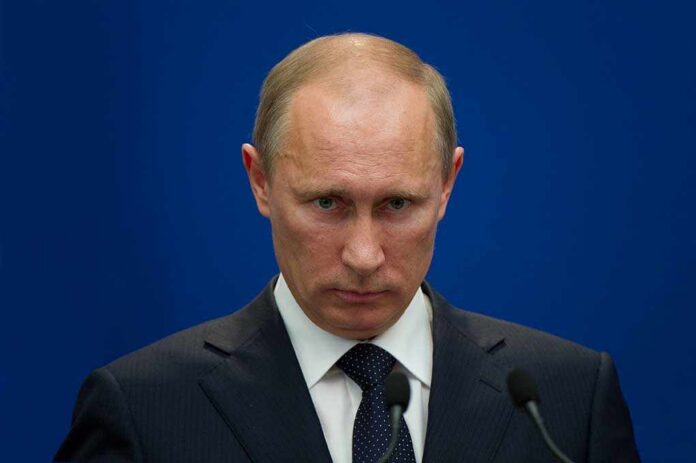
Harold Ford Jr. criticized President Trump on television after the China summit that included Russia’s Vladimir Putin, arguing Trump praised Putin as a “friend” while gaining no concessions. Ford compared it to Ronald Reagan’s deals with the Soviet Union. His criticism centered on style and lack of visible deliverables. The published joint text from the summit pledged dialogue on nuclear risks but announced no arms-control agreement, inspections, limits, or timelines, matching Ford’s narrow point on missing hard terms.
Reuters reported that leaders announced no plans for specific arms-control talks President Trump previously sought, and set no timetable. The declaration itself affirmed that nuclear war must never be fought and promised future dialogue. It did not mention inspection rights, stockpile cuts, or targets. Other outlets likewise called the text symbolic and short on measurable results. Those facts show the outcome was cautious and broad, not a negotiated reduction or enforcement plan at this stage.
What The Declaration Actually Says — And Does Not Say
The declaration records three leaders agreeing to “conduct a dialogue” on reducing nuclear risks and stopping the spread of nuclear weapons. That is a formal statement, but it is not a treaty or a limit on arsenals. It creates no verification regime and sets no deadlines. It also does not address inspections, North Korea’s nuclear program, or denuclearization targets. Reporters called it a peace message heavy on rhetoric and light on enforcement. That is the public record to date.
For conservative readers who judge success by verifiable outcomes, this matters. Dialogue is fine, but deterrence and safeguards require inspections, clear caps, and timelines. Reagan’s breakthroughs followed long, detailed work that locked in on-site checks. This summit’s text does not do that. It can be a first rung on the ladder, but it is not yet the climb. Until hard terms appear, the win belongs to symbolism, not to arms control. That standard protects American strength and keeps pressure on rivals.
How Supporters Frame Rapport — And Where Accountability Still Lands
Trump’s defenders say leader-to-leader rapport can open doors. They cite past presidents who kept channels with adversaries and argue friendly words do not prove weak policy. They also point to U.S. pressure through alliances and past actions against hostile regimes. Those arguments describe a strategy, not a result. They do not change the printed outcome. The written record shows talks ahead and no limits yet. Both things can be true at once.
Conservatives can back talks and still demand proof. America should engage when it serves our security and our families’ safety. But we must not accept vague language as a substitute for real checks on Russian and Chinese nuclear power. The next milestone should be simple: dates, working groups, inspection access, and enforceable caps. If rivals refuse real terms, the United States must keep building strength and shield our people without apology. That is common sense and peace through power.
The Road Ahead: Measurable Steps Or More Rhetoric
The administration now faces a test. The declaration created a public promise to talk. Follow-through should show on calendars, in technical sessions, and in verifiable inspection rules. If that appears, the summit will have moved beyond words. If not, Americans can judge this as theater. Either way, Congress and the public should see clear updates, not spin. Nuclear safety is not a press line; it is about real limits and real checks that keep our nation secure.
Harold Ford Jr just called Trump the most pro-communist President of his lifetime…
As someone who is banned in Russia for calling Putin a warlord… whose father wrote a book warning the world of the rising threat of the CCP… and who just got cyber attacked by the Islamic… pic.twitter.com/0GCMWa5vtW
— Erin Molan (@Erin_Molan) November 20, 2026
Bottom line for readers: ignore the noise about labels and focus on deliverables. The televised insult tried to score points by calling Trump “pro-communist.” The document shows dialogue, not disarmament, and no U.S. concessions on paper. That is neither surrender nor success. It is a starting signal. The only thing that counts next is whether Russia and China accept inspections, caps, and deadlines. Until then, America should keep its guard up and its powder dry.
Sources:
mediaite.com, reuters.com, bbc.com, theglobeandmail.com