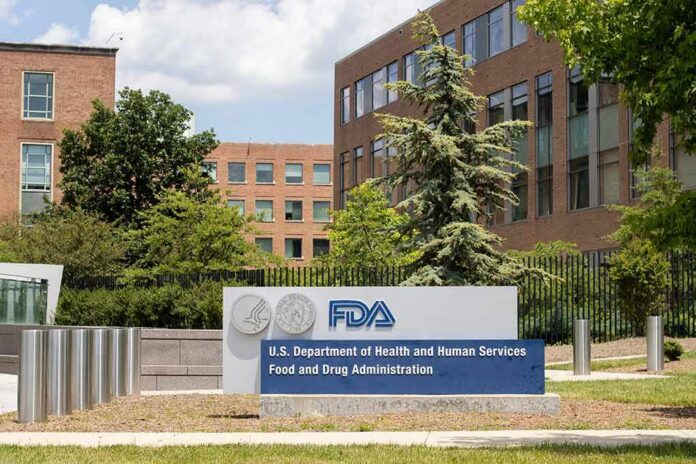
The White House pulled Heidi Overton’s Food and Drug Administration nomination after bipartisan senators balked, leaving the nation’s top health regulator without a permanent leader and fueling a high-stakes fight over abortion pills and vaccine policy.
Story Snapshot
- The White House withdrew Overton’s nomination before a committee vote amid lack of Senate support.
- Senators pressed Overton on abortion-pill rules and vaccine policy, spotlighting deep policy rifts.
- The Senate held a public hearing, but backing collapsed ahead of the scheduled committee vote.
- The Food and Drug Administration remains without a permanent commissioner, raising governance concerns.
Why the Nomination Collapsed Before a Vote
White House officials withdrew Heidi Overton’s nomination to lead the Food and Drug Administration days before a Senate committee vote. Reporters said the move followed bipartisan pushback and uncertain support among key Republicans needed to advance her to the full Senate. Senate Health Committee Chair Bill Cassidy signaled doubts about her fit for the job, and other Republicans had not committed. The collapse came after months of scrutiny that turned a technical role into a proxy battle over abortion, vaccines, and agency independence.
The Senate Health, Education, Labor, and Pensions Committee held a formal hearing on September 24, 2026. That step proved the White House did not seek to bypass the confirmation process. Still, the administration pulled the nomination before the scheduled vote to avoid a likely defeat. With the withdrawal, the Food and Drug Administration stays without a permanent commissioner. That raises the stakes for the next nominee and keeps pressure on the agency during major drug, device, and food-safety work.
The Flashpoints: Abortion Pills, Vaccines, and Independence
Senators focused hard on how Overton would handle mifepristone, the abortion pill. She deferred to an ongoing Food and Drug Administration safety review set to wrap up in the spring, rather than staking out a firm change. That answer left some Republicans and Democrats unsatisfied. Senator Josh Hawley said her position seemed at odds with the administration’s stance in court fights over the drug’s rules. Democratic Senator Patty Murray pledged to oppose the nomination and framed Overton as hostile to abortion access.
Vaccine policy drew sharp questions as well. Senator Bill Cassidy argued that support for breaking up combination childhood vaccines was “almost disqualifying,” and he pressed Overton on whether she would act independently of President Trump and the Health and Human Services Secretary on scientific questions. These exchanges fueled a narrative that the next Food and Drug Administration leader must show clear, transparent scientific grounding and a willingness to push back on any pressure—political, corporate, or activist—when safety is on the line.
What Overton Brought—and What Senators Wanted
Overton is a preventive-medicine physician who served on the White House Domestic Policy Council. That background gave her direct experience in federal health policy and contact with agency leaders. The committee hearing and scheduled vote showed the process was moving forward. But senators questioned whether she had enough Food and Drug Administration operational depth to run drug reviews, inspections, food-safety systems, and enforcement at the needed scale. That gap, combined with fights over abortion pills and vaccines, undercut her path.
On mifepristone, the Food and Drug Administration has adjusted safeguards over time, including through a risk management plan set in law and policy. Those shifts sparked lawsuits and national debate. The U.S. Supreme Court described earlier safeguards and the agency’s authority in a 2024 case, underscoring the issue’s legal and scientific complexity. Overton’s decision to wait for the safety review matched a cautious approach. But senators wanted a direct plan for what she would do on day one. They did not get it.
Why This Matters for Conservatives
This failure leaves a powerful agency without steady leadership while it makes big calls on drug safety, food recalls, and lab policy. Conservatives want an accountable Food and Drug Administration that follows the science, respects life, protects families, and resists corporate capture and political fads. The hearing made one thing clear: the next nominee must show a written plan to fix slow reviews, strengthen inspections, and restore trust, with transparent data on hot-button drugs like mifepristone.
SBA’s Senior Vice President of Legal Strategy Erik Baptist says the U.S. Senate must press Overton for accountability:
"Before Heidi Overton’s nomination moves forward, senators must secure commitments from the administration that it will immediately restore the in-person…
— SBA Pro-Life America (@sbaprolife) November 11, 2026
The road ahead is tough but necessary. The White House should send up a nominee with clear Food and Drug Administration management experience, a public commitment to open data, and strong defenses of free speech and due process in health oversight. The Senate should hold firm on transparency and merit. Americans deserve safe medicines and food, clean and honest science, and an agency that serves the people—not lobbyists, not activists, and not unelected bureaucrats.
Sources:
nypost.com, nbcnews.com, cnn.com, abcnews.com, help.senate.gov, murray.senate.gov, washingtonsun.com, washingtonpost.com, commondreams.org, nbcboston.com, newhampshirebulletin.com, supremecourt.gov