
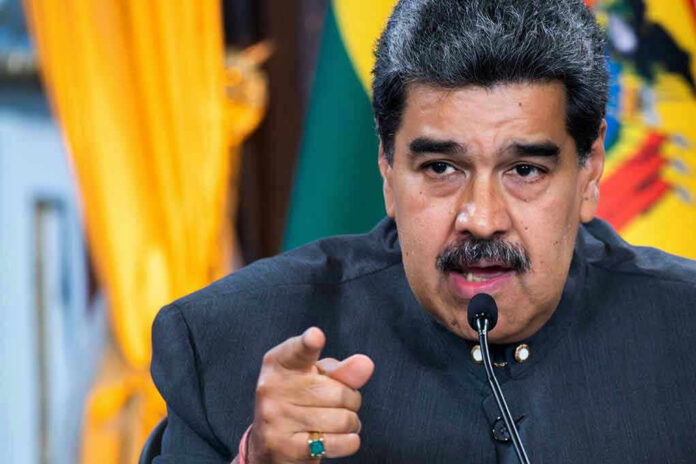
Federal prosecutors charged Venezuela’s Nicolás Maduro with conspiring to torture detainees, including Americans, detailing a system of abuse tied to his rule.
Story Highlights
- U.S. prosecutors filed a superseding indictment alleging Maduro authorized torture, including on Americans.
- Alleged methods include beatings, electric shocks, asphyxiation, rape, starvation, and isolation.
- The filing claims Maduro tracked cases, suggested methods, and used threats to force confessions.
- A United Nations mission described recurring torture at a Venezuelan military intelligence service site.
New U.S. Charges Describe A System Of Repression
The United States Attorney’s Office for the Southern District of New York announced a superseding indictment charging Nicolás Maduro and Cilia Flores with conspiracy to commit torture. Prosecutors allege Maduro authorized the use of torture after taking power in 2013 and oversaw a structure that used detention and violence to crush political opposition. The charges state that Americans were among the victims of this abuse campaign, which relied on secret facilities and coercive methods to break prisoners and force confessions.
Reporting on the indictment lists specific methods rather than vague claims. The accounts describe beatings, electric shocks, asphyxiation, sexual assault, starvation, prolonged isolation, and psychological pressure. The alleged abuse targeted scores of detainees in an organized way. This level of detail matters in court and for the public. Clear descriptions help establish patterns that prosecutors say reflect policy choices, not rogue acts. The filing ties methods to places and victims, including three Americans, according to coverage.
Alleged Direct Involvement By Maduro
Media summaries of the indictment say the case does not rely only on Maduro’s title. The reporting states prosecutors claim he suggested specific torture methods, asked for updates on individual detainees, watched at least one forced confession on video, and even threatened to harm a prisoner’s child as psychological torture. Those claims, if proven, link the conduct to senior command and remove doubts about whether this was only a low-level problem inside security services.
The alleged crimes center on Venezuela’s General Directorate of Military Counterintelligence. Coverage connects that service to detention sites where abuse occurred. Prosecutors say the system affected many victims over years, which supports a pattern-or-policy theory in U.S. law. The indictment places American victims within that broader structure, which raises stakes for U.S. national interests and for any future sanctions or diplomatic measures. Maduro has denied wrongdoing, and the case will proceed in court.
United Nations Findings Add Independent Context
A United Nations fact-finding mission described recurring torture practices by the same Venezuelan military intelligence service tied to the allegations. The mission reported electric shocks, suffocation with plastic bags, waterboarding, beatings, sexual violence, deprivation of food and water, stress positions, and exposure to extreme temperatures. The mission said these methods were used to extract information, force confessions, intimidate, and punish detainees. Those findings align with the methods listed in the U.S. filing and the media summaries.
One caveat remains: the public record so far reflects charges and summaries, not a final verdict. Still, the specifics are sobering and demand attention. For Americans, this touches core values. Torture is the tool of tyrants and an assault on human dignity. The United States can and should defend its citizens, uphold the rule of law, and stand with victims. The case will test evidence, chain of command, and accountability at the top, where real power sits.
What It Means For U.S. Policy And Conservative Priorities
This case highlights why strong borders, tough foreign policy, and energy independence matter. Authoritarian regimes often fund repression with oil money and crush dissent with secret police. Clear U.S. leadership sets a line: do not harm our people. Prosecutors used American law to target alleged torture that included U.S. victims. That approach backs national sovereignty, supports victims, and warns abusers that America will pursue justice across borders when our citizens are harmed.
Conservatives should track three points. First, facts and victims must drive the case, not politics. Second, security agencies that torture often silence faith, family, and speech. That threatens the same freedoms we cherish here. Third, a lawful, focused response protects Americans without endless foreign entanglements. The court process now moves forward. Evidence, witness accounts, and records will decide the outcome. Justice for American victims must remain the priority throughout.
Sources:
congress.gov, yahoo.com, justice.gov, edition.cnn.com