

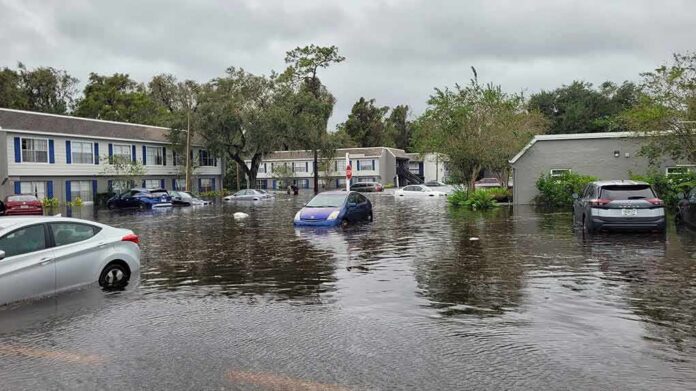
Bangkok declared all 50 districts a disaster zone after days of pounding rain flooded roads, homes, and key canals.
Story Highlights
- Bangkok’s governor declared the capital a disaster-affected zone after torrential rain.
- Rain fell for days, with totals in many areas topping 30 centimeters, or about 12 inches.
- Officials opened more than 200 shelters; thousands left their homes for safer ground.
- Flooding hit provinces across Thailand, affecting tens of thousands of people.
Citywide Disaster Declaration and Immediate Impacts
Reuters reported that Bangkok’s governor declared the entire capital a disaster-affected zone on Saturday after sustained downpours swamped streets and neighborhoods. The Associated Press said officials described flooding across all 50 districts, with major roads inundated and traffic crippled. Videos distributed by The Associated Press showed submerged vehicles and commuters wading through brown water as the city struggled to keep up with runoff. The move unlocked emergency powers for the capital and put all local teams on a full flood response footing.
The Associated Press reported that rain started Thursday afternoon and continued for days, pushing water into low-lying areas faster than crews could drain it. Officials said many locations logged more than 30 centimeters of rain since Thursday, which is roughly a foot in just a few days. City leaders said crews worked nonstop to clear drains and pump water, but canal levels stayed high, slowing relief and keeping many streets under water. Authorities urged residents to avoid flooded routes and stay alert for changing conditions.
Evacuations, Shelters, and Ongoing Safety Measures
The Associated Press reported that more than 200 shelters opened across Bangkok, and about 4,200 people moved into them as flooding persisted. City and national teams focused on moving seniors, children, and people with health needs to safer ground. Officials warned families to cut power to flooded rooms and to avoid standing water where hidden hazards might lurk. The continuing risk came from full canals and saturated ground, which can trigger new street flooding even after rain weakens. Rescue crews staged boats and high-clearance trucks for neighborhood support.
The flooding reached beyond the capital. The Associated Press said more than 84,000 people in 21 provinces were affected as of Saturday, with central Thailand hit hardest. That broader impact stressed road links and short-term supply chains that connect factories and markets to Bangkok. Emergency managers worked to keep key corridors open while planning detours around deep water. Local schools and offices adjusted hours in several districts. The national weather service warned that heavy rain would continue through Sunday in many areas.
Drainage Limits, Canals, and Why Bangkok Struggles
Bangkok sits on a flat delta with dense development and many paved surfaces. Experts and past coverage explain that storms often expose the city’s hard limits on drainage and pumping, especially when tides and swollen canals slow discharge. The Bangkok Post has chronicled how subsidence, blocked waterways, and older drainage designs raise flood risk in crowded districts. The Nation wrote that planners continue to seek better ways to match tunnels, canals, and storage with stronger rain bursts seen in recent years. These structural limits complicate every emergency push.
https://twitter.com/pfmayor02/status/2104512340913696959
City officials focused on urgent steps that matter right now. The Associated Press quoted Bangkok’s governor saying teams were working to drain water as fast as possible while warning that canal levels stayed high. Crews cleared trash from drains to boost flow and kept pumps running. Traffic police diverted cars away from deep spots to reduce stall-outs that block lanes. Health workers delivered supplies to shelters and checked for waterborne illness. Leaders asked residents to report blocked drains and to move vehicles to higher ground when warned.
Why This Matters to American Readers
Severe weather overseas can ripple through trade, travel, and supply chains that reach American families. Bangkok is a manufacturing and shipping hub for autos, electronics, and food products that stock U.S. shelves. Flooded roads and factories can slow parts and raise costs. Clear information helps us plan and push leaders, here and abroad, to invest in resilient systems that protect people and keep goods moving. Strong, local control and transparent response can save lives, defend property, and limit avoidable economic pain.
American communities have faced similar tests. Cities with aging drainage and rapid growth see streets flood when storms outrun pipes and pumps. Local leaders who cut red tape, harden infrastructure, and maintain basic services make the biggest difference. Families should keep simple plans ready: know your routes, protect key papers, and respect road closures. Common sense, not fad agendas, keeps people safe. Bangkok’s struggle is a reminder that preparation, honest maintenance, and clear roles beat slogans when water rises.
What Comes Next in Bangkok
Thailand’s Meteorological Department forecast more rain through Sunday, then gradual easing in many regions. As water recedes, officials will inspect canals, pumps, and power systems, and will tally damage to homes and small shops. Relief teams will track shelter needs and plan returns. Commuters will face lane closures while crews clean mud and repair signals. A full after-action review could help the city target choke points and protect schools, markets, and hospitals before the next storm. Consistent upkeep and fair enforcement will matter most.
Sources:
youtube.com, abcnews.com, apnews.com, washingtonpost.com, independent.co.uk, thestar.com.my