

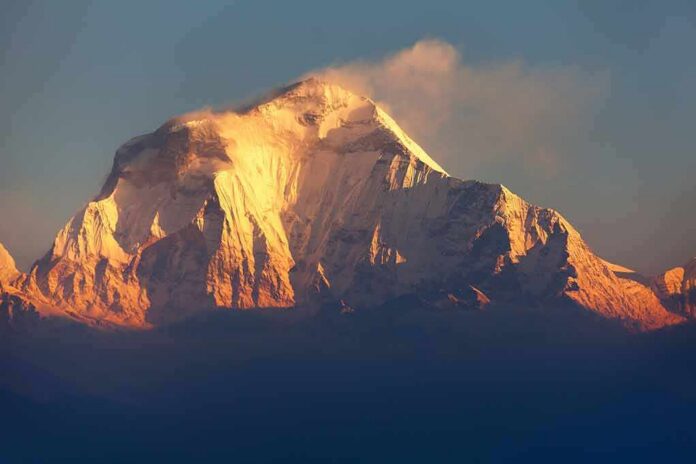
A new scientific analysis says human-driven warming helped set the stage for Nepal’s deadly glacier-and-rock collapse, reviving a debate too many activists want to shut down with slogans, not facts.
Story Snapshot
- A global research group says warming “preconditioned” the Himalayan disaster.
- Scientists link record regional heat to thinning ice and thawing mountain permafrost.
- Reporters note the exact trigger is complex, but warming raised background risk.
- Other outlets caution that formal, event-specific attribution remains limited.
What Investigators Say About The Nepal Floods
World Weather Attribution researchers reported that human-caused warming helped create the conditions for the August collapse that sent a wall of rock, ice, and debris down Nepal’s high valleys. Their assessment describes a “compound” event. Rising temperatures thinned glaciers and thawed mountain permafrost, which can weaken slopes and raise meltwater pressure. The group stressed that warming was a key precondition, not the only spark. BBC reporting carried that core finding and wording from the researchers.
An Associated Press summary echoed those mechanics. It said warming likely helped destabilize the Himalayan slope before it failed, adding that the region has seen record heat in recent years. That backdrop matches long-standing mountain science: warmer air thins ice, loosens frozen ground, and loads valleys with loose debris that can surge after a break. The new analysis asserts that this chain boosted the odds and the scale of the flood, even if the final trigger was local geology and stress buildup.
How The Event Unfolded And Why It Matters
NPR and other outlets reported that a huge ice-and-rock mass detached high on the slope and tumbled thousands of feet, driving a fast, deadly flood downvalley. Scientists say Himalayan glaciers are shrinking fast, and permafrost that once glued rock together is thawing. That combo turns steep faces into unstable stacks. The reporting frames the Nepal disaster as part of a wider mountain-risk pattern that puts downstream towns, roads, and power lines in harm’s way when slopes finally fail.
The New York Times likewise described warming as supercharging the risk of such mountain disasters, while noting that investigators are still parsing the precise trigger chain. That balance matters. It avoids the false choice between “climate did it” and “climate did nothing.” The facts support a clear takeaway for readers: warming raised the background risk, and that risk turned real when a fragile slope finally let go in catastrophic fashion.
Sorting Hype From Evidence
Several outlets warned against overreach. Carbon Brief said no formal rapid attribution had, at that time, fully quantified how much warming boosted this exact event’s odds. It also flagged claims that tried to say climate played no role at all as unsupported. The careful stance is this: climate change helped precondition the slope, but the final break involved many local factors, and single-event math remains hard in high mountains with sparse measurements.
Warming Played ‘Very Strong’ Role in Himalayan Floods, Study Finds
NYT Gift Article link
Listen · 4:12 min
16SEP2026
By Raymond Zhonghttps://t.co/WxcwE8zZJ7
Reporting from LondonRising temperatures contributed to the disaster by destabilizing the permafrost and ice around the…
— fj (@gecko39) September 17, 2026
For American readers, the lesson is practical, not political. Facts, not fear, must guide how we build, insure, and secure supply lines worldwide. Clear data helps our leaders focus on real risk while rejecting globalist schemes that grab cash, push energy costs higher, or trample local control. Strong borders, reliable energy, and smart infrastructure do more to protect families than sweeping mandates or corporate greenwashing. Demand sound science. Reject panic. Hold agencies to measurable results and transparent spending.
Why This Matters To U.S. Policy And Your Wallet
American companies source goods and components from Asia’s mountain corridors. When a slope fails, roads close, prices rise, and delays hit our shelves. Sensible policy under President Trump should keep focus on resilient supply chains, hardened infrastructure, and honest risk audits abroad and at home. That means better early warnings, smarter siting, and strict cost control. It does not mean giving up affordable energy, handing power to global panels, or paying for endless, unproven schemes that burden taxpayers.
Bottom Line
The best evidence says warming raised the odds and force of Nepal’s deadly flood, by thinning ice and thawing frozen ground that once held slopes together. The exact spark was complex, as mountain disasters often are. Serious people can hold both truths. The right path is clear: follow the data, protect communities, and stop letting activists turn every crisis into a blank check. America leads when we pair tough questions with accountable action, not when we trade freedom for fear.
Sources:
youtube.com, news18.com, frontiersin.org, bloomberg.com, nytimes.com