
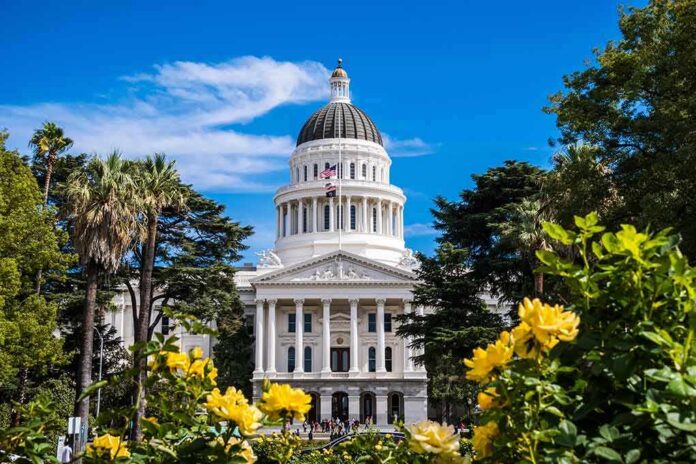
California’s ballot plan to slap a one-time 5% tax on billionaire wealth targets illiquid assets and could shove innovators, jobs, and investment out of the state.
Story Highlights
- California’s measure would tax total billionaire net worth, including stock and private businesses.
- Mark Cuban warned the plan would force founders to sell or borrow, hurting startups.
- Backers say 90% of revenue goes to health care; critics call it ideology over strategy.
- Research shows higher taxes push wealthy earners to lower-tax states, though effects vary.
What California’s Ballot Measure Would Actually Tax
California’s proposed initiative would impose a one-time 5% levy in tax year 2026 on the net worth of residents with more than $1 billion. The tax base includes non-cash assets like public stock, private company stakes, art, and intellectual property. The state frames it as an excise tax on “excessive” wealth, not an income tax. The language spells out that the tax applies to individuals and trusts with qualifying wealth, calculated across illiquid and liquid holdings.
Supporters claim most revenue would fund health care, with a smaller share going to schools and aid. Some descriptions say 90% would be earmarked for health spending, with the rest directed to education and food assistance. A summary from the initiative’s official filing describes a special health account receiving ninety percent of proceeds. Backers pitch it as a way to backfill health programs under budget strain and to protect coverage for low-income families.
Mark Cuban’s Warning About Illiquid Founder Wealth
Investor Mark Cuban argued the policy punishes “cash-poor, stock-rich” founders. He said many early owners hold paper gains in private or restricted stock, not cash. A sudden 5% bill on net worth would force sales at bad times or push founders to borrow heavily. Cuban said that risk would chill venture funding and new company formation in California. He also warned he would steer new investments away from the state if voters pass the measure this fall.
In public exchanges with Representative Ro Khanna, Cuban said taxing wealth tied up in startups will drive builders to friendlier states. He pushed back on ideas that the state could ease the hit by lending against the tax bill, calling that unworkable for real businesses. His bottom line was simple: founders and investors need certainty, flexibility, and cash flow, not surprise levies on assets they cannot readily sell without hurting their companies or workers.
Backers’ Case: Health Funding Versus Capital Flight
Senator Bernie Sanders and allied groups argue the measure funds care when budgets are tight. They say it would shield millions from losing coverage and prevent hospital cuts. Their message stresses fairness and urgent needs, with most funds reserved for health care. The initiative’s design also allows payment over several years, which supporters suggest can reduce cash strain for those who owe the tax, while still raising large targeted revenue for public services.
The question is how many high-wealth residents would change behavior. Several studies and data reviews show wealth and high-income taxpayers are more mobile than average. States with low or no income taxes have gained affluent filers, while high-tax states have lost them. At the same time, some academic work finds the effect sizes can be modest, not a flood. Outcomes depend on asset types, timing, and how easy it is to avoid or defer the hit.
Why This Matters Beyond California
California’s fight fits a wider trend. Blue states pilot new taxes on top wealth to fund programs, while red and swing states compete by keeping burdens lower. Business leaders watch the details. If states start taxing net worth, not just income, founders must plan for cash needs even when their stakes are locked up. That can push hiring, headquarters, and stock listings elsewhere. Florida, Texas, and other states stand ready to welcome those jobs and investments.
"Wealth Tax Is THEFT" – Mark Cuban WARNS Ro Khanna Over California Tax https://t.co/yArtaXjEC7 via @YouTube
— Mersilene ⚖️ (@bob_westchester) August 21, 2026
For conservatives, the stakes are clear. A tax on unrealized wealth opens the door to more government reach into private property. It risks fewer startups, slower growth, and fewer good jobs. President Trump’s pro-growth agenda aims to lower costs, boost energy, and cut red tape. States should help, not hinder, that mission. Voters in California now must decide if a one-time cash grab on illiquid assets is worth the long-term cost to innovation and freedom.
Sources:
twitchy.com, latimes.com, yahoo.com, nypost.com, fox.com, finance.yahoo.com