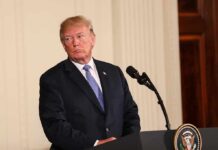

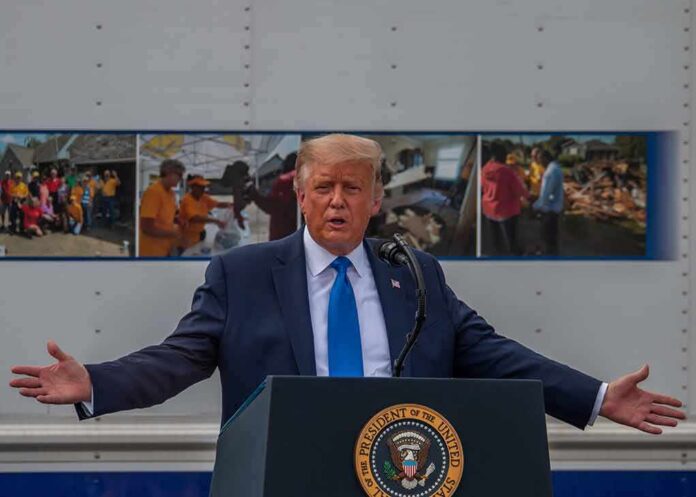
President Trump launched an “Economic D‑Day” against Iran, ordering the most far-reaching sanctions push to choke off oil cash, weapons networks, and nuclear procurement.
Story Highlights
- White House memo restores maximum pressure and directs sweeping sanctions enforcement on Iran.
- Treasury targets shadow fleets, oil sales, and missile and drone procurement pipelines.
- New actions hit shadow banking networks that move billions for Tehran.
- Iran rejects talks under pressure while calling sanctions “illegal”.
Trump’s Order: Maximum Pressure With Teeth
President Trump issued a White House directive restoring maximum economic pressure on Iran and ordering tougher enforcement across shipping, insurance, and ports. The memo directs the Secretary of the Treasury to impose maximum pressure and warn global firms about the risks of aiding Tehran’s trade. The move marks a formal return to an all-tools campaign to reduce Iranian oil revenue and curb access to dual-use goods that fuel missiles and drones.
The administration frames this as economic warfare to avoid a shooting war and to defend American lives and allies. Sanctions aim to limit cash for Iran’s nuclear and missile work and its proxies. The plan uses clear targets, fast designations, and guidance to private firms. The goal is simple: raise the cost for any company that moves Iran’s oil, insures ghost ships, or hides payments through shell firms.
Hitting Oil Lifelines, Ghost Fleets, and Weapons Pipelines
The Department of the Treasury’s Office of Foreign Assets Control sanctioned more than 30 people, companies, and vessels tied to illicit Iranian petroleum sales and to ballistic missile and conventional weapons production. Officials also moved on networks that buy and move parts for missiles and uncrewed aircraft, spanning Iran, Türkiye, and the United Arab Emirates. These actions target the logistics that keep Iran’s arsenal growing and cut into core regime revenue.
Reporters also noted a strike on Iran’s “shadow banking” web. That action named over 30 actors alleged to launder billions through fronts and exchange houses, giving sanctioned bodies covert access to dollars. Cutting these channels squeezes working capital used to pay for oil trades, parts, and transport. Treasury signaled more designations are coming for those who help Tehran hide shipments or process disguised payments around the world.
What Success Looks Like: Disruption, Not Surrender
Advocates say success is measured by fewer barrels moved, fewer parts delivered, and higher costs for every illicit step. The administration cites the value of enforcement pressure that makes suppliers balk and insurers back out. That friction slows Iran’s timelines and forces the regime to waste cash on evasion, not weapons. Sanctions also give allies leverage and put clear lines around what global companies can and cannot do with Iran’s oil and defense sectors.
Skeptics argue pressure alone may not change Tehran’s choices. A Brookings review said sanctions impose high costs but have not convinced rulers to fully abandon nuclear goals. That view warns that sanctions can be “self-limiting” if not paired with clear off-ramps and strong monitoring. Even so, the analysis accepts that sanctions can constrain resources and force tactical shifts, which is exactly where enforcement can bite hardest.
Tehran’s Pushback and Why It Matters
Iran’s leaders called the renewed sanctions “unfair” and “illegal” and said they do not recognize them. State media quoted officials who rejected direct talks while maximum pressure continues. These claims show the pressure is felt, even as Tehran tries to rally sympathy abroad. The White House response is to keep closing loopholes, expand designations, and warn third parties that doing business with Iran’s oil and arms networks risks losing access to the United States market.
BREAKING: The UAE has suspended financial and economic transactions with Iran, dealing a major blow to one of Tehran's most important trade and financial lifelines.
In context: The move follows weeks of pressure from the Trump administration, which has urged Gulf allies to…
— NewsVector (@NewsVectorHQ) August 20, 2026
For readers fed up with appeasement and blank checks to bad actors, this is a shift back to peace through strength. Sanctions are not a silver bullet, but hard enforcement can save American troops from future fights and starve terror proxies now. The near-term test is simple: watch oil volumes, vessel insurance, and parts seizures. If those numbers drop and costs rise, the pressure is working as promised.
Sources:
nypost.com, home.treasury.gov, whitehouse.gov, reuters.com, cfr.org, moderndiplomacy.eu, defensepriorities.org