

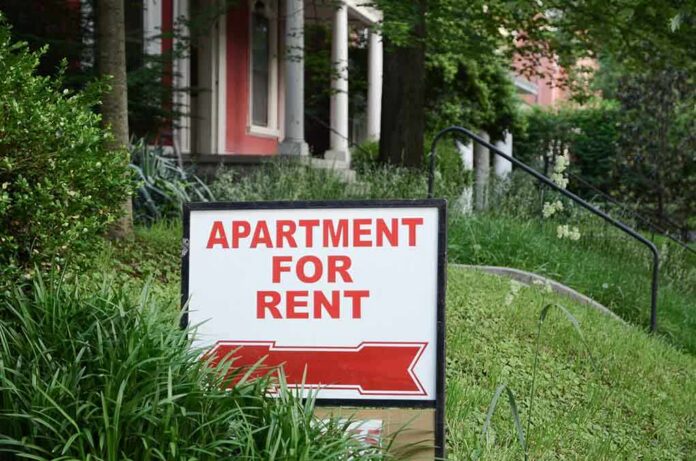
Manhattan’s median rent just hit $5,000 as apartment listings plunged, squeezing families while policy fights risk making the shortage worse.
Story Highlights
- Manhattan’s median rent reached $5,000 amid a steep drop in available apartments.
- Inventory is at its tightest in nearly four years, fueling faster lease-ups and bidding pressure.
- Competing trackers show small differences, but all point to extreme scarcity and rising rents.
- Experts link rules and lost incentives to weaker supply as would-be buyers flood rentals.
Record Rent Driven By A Sharp Drop In Supply
Brick Underground reported that Manhattan’s median rent reached $5,000 in February after a plunge in listings. The Corcoran Group said inventory was the tightest in nearly four years. That crunch meant available units rented faster, and fewer options pushed prices to the new high. The report frames the surge as a simple market squeeze: too many renters chasing too few apartments, with pressure building for months as listings fell across many neighborhoods.
The New York Post echoed the same $5,000 median and tied it to a 26 percent annual drop in active listings. Realtors told the outlet that inflation and recent laws added friction and costs. They warned that new proposals could tighten supply more and lift asking rents further. While any single report has limits, the direction is clear across outlets: inventory down, lease competition up, and prices rising to match the scarcity.
Scarcity Patterns Preceded 2026 And Are Now Intensifying
Earlier cycles showed the same strain. In 2022, national business coverage recorded record Manhattan rent levels and pointed to tight vacancy and buyers shifting to rent as mortgage rates climbed. That buyer spillover meant more renters competing for fewer homes. By spring 2026, the Post reported inventory at roughly 4,766 active listings, the lowest in four years, with brisk leasing and bidding wars in prime districts. The squeeze was not a one-month blip; it built over time.
StreetEasy’s forecast, summarized by Help New York, expected Manhattan asking rents to keep climbing. The analysis said recent construction added more rentals in Brooklyn and Queens, not in the Manhattan zones where demand was hottest. That mismatch left neighborhoods like Midtown and the Upper West Side short on fresh supply when people came back to offices, culture, and transit hubs. With fewer new doors in core areas, existing units had to bear the surge.
Policy Pressures And A Caution On What The Data Can Prove
Realtors and building leaders argue that state and city rules raised costs and dulled incentives to add or reactivate units. They point to a mix of 2019 rent reforms, broker fee shifts, and the lapse of the 421-a tax break for new rentals. Their claim is direct: when costs rise and future math looks worse, fewer homes make it to market, which pushes rents up for everyone who is not protected. The reporting quotes these concerns but does not assign a precise dollar impact.
Competing trackers do show small differences in the exact median for February. The Post noted Corcoran and RentHop at $5,000, while StreetEasy’s method put it near $4,700. That does not change the core picture. All three show a very tight market and rising prices. The exact figure depends on each dataset’s listings and filters. The agreement on direction and the shared story of shrinking inventory matter more than one number in a given month.
What It Means For Renters, Builders, And Leaders
Families hunting in Manhattan face fewer choices, faster lease turnarounds, and bigger checks to secure a home. Landlords see heavy demand but also face rules and costs that can slow new supply. Builders need a stable path to finance projects that add units where people want to live. Leaders who want lower rents must boost supply, speed permits, and clear red tape. Policies that freeze or tax without adding homes risk shrinking listings and lifting prices again.
New York’s Affordability Crisis Has a Common Denominator: The Dollar
New York treats affordability as a collection of unrelated crises.
Rent is too high. Food is too expensive. Electricity bills keep rising. Wages never feel like enough.
New Yorkers do not experience inflation… pic.twitter.com/y5IEXGdRZH
— BTCinNYC (@BTCinNYC) August 11, 2026
Conservatives know the cure is not complicated. When a city strangles building and adds layers of fees, it gets scarcity and pain. When it rewards construction and welcomes investment, it gets more keys in more hands. New York’s record rent is a warning: supply is the ballgame. If City Hall and Albany keep chasing headlines instead of housing starts, renters will keep paying the price while the middle class moves out for good.
Sources:
facebook.com, brickunderground.com, nypost.com, cnbc.com