
Britain’s Clacton by-election has turned into a political circus, but Count Binface is the candidate most people now know.
Quick Take
- Count Binface became one of the few declared challengers after major parties stayed out.
- BBC and other outlets described him as Nigel Farage’s main challenger by default.
- Binface wrapped satire around real issues like housing and the cost of living.
- Polling showed protest support, but nothing in the record proves a path to victory.
Why Binface Became the Main Name in Clacton
Count Binface, the satirical alter ego of comedian Jon Harvey, entered the Clacton race as a novelty candidate with a bin-shaped helmet and a long history of protest politics. When Nigel Farage triggered the by-election, Labour, the Conservatives, and the Liberal Democrats said they would not field candidates. That left Binface as one of the few visible challengers, and in some reports the main challenger by default.
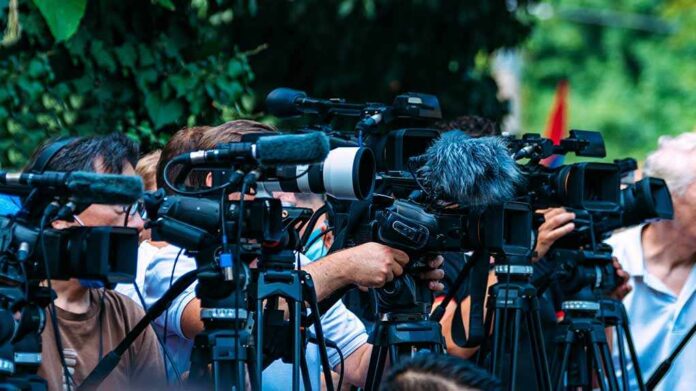
The media frenzy gave Binface a strange kind of advantage. Reuters described the contest as one where Farage could face only a man with a trash can on his head. ABC said the major parties called it a stunt and stayed out of the vote, while the BBC said Binface was among the few people running against Farage. That does not make him a traditional serious contender, but it does make the race look bare and lopsided.
Satire, But With Real Political Targets
Binface has tried to push beyond simple mockery. He said he would be a “unity candidate” and pledged to “build at least one affordable house,” which ties his campaign to housing costs that bother many voters. The Guardian also reported polling that suggested 20 percent would back him in a low-turnout model, while a Telegraph poll found 33 percent of Britons said they would prefer Binface to win over Farage. Those numbers show protest interest, not a guaranteed win.
His platform mixes jokes with barbs aimed at the political class. ITV reported pledges such as restoring a 99 Flake to 99p and capping Wigan kebabs at £2. That keeps the satire front and center, but it also shows why the campaign gets attention: it pokes fun at inflation, waste, and everyday costs in a way voters can understand fast. For many Britons, that kind of humor is easier to digest than polished party talk.
Why the Story Still Matters Beyond the Costume
Binface is not a one-off gimmick. BBC reporting said Harvey has stood in four parliamentary elections and two London mayoral elections, and he has appeared on ballots against sitting prime ministers. But the same reporting also notes he has never won enough votes to recover his deposit. That history matters. It shows persistence and media skill, but it also shows how hard it is to turn attention into actual votes.
c22cuk EXPLAINER: What do WE know about Jonathan Harvey (Count Binface)
Jonathan David Harvey is a highly successful British comedy writer, satirist, producer and broadcaster who is best known as the creator and performer behind Count Binface, a satirical political character.… pic.twitter.com/UD6DwYbRhi
— citizens2022committee (@c22cuk) August 9, 2026
The Clacton race also shows how quickly modern politics can slide into spectacle when mainstream parties step aside. BBC and ITV both reported that the big parties left the field open, and other outlets said the contest was being framed as a stunt. For conservative voters, the bigger lesson is simple: when major institutions retreat, the vacuum gets filled by symbolism, protest, and performance. That may grab headlines, but it does not settle whether voters want serious change.
What the Polls Do and Do Not Prove
The available polling is real, but it has limits. The Guardian cited Survation for Mandate Research showing Farage ahead on a low-turnout model, even as 20 percent said they would back Binface. The Telegraph’s Ipsos numbers were nationwide, not Clacton-specific, so they measured opinion more than local voting behavior. That is enough to show Binface has a protest constituency. It is not enough to show he can actually beat Farage in the constituency.
Sources:
theguardian.com, bbc.com, aljazeera.com, euronews.com, telegraph.co.uk, irishtimes.com, facebook.com