
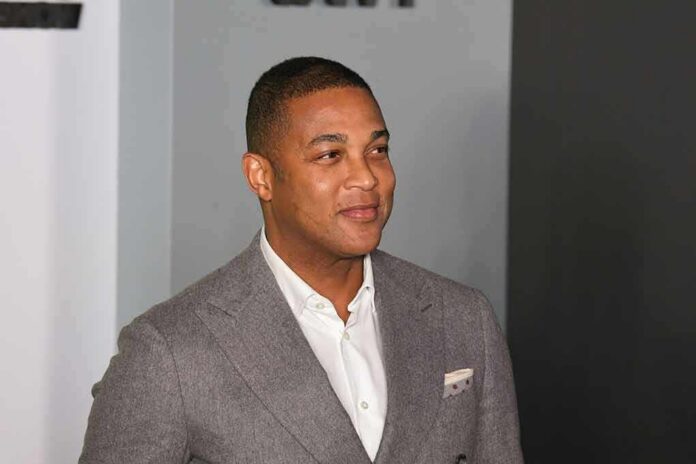
Don Lemon’s federal church-protest case is now testing the line between press coverage and alleged civil-rights crimes. Prosecutors say the event disrupted worship at Cities Church in St. Paul, while Lemon says he was there as a journalist.
Quick Take
- Lemon pleaded not guilty in federal court to a two-count case tied to the Minnesota church protest.
- Prosecutors say the protest disrupted a worship service at Cities Church in St. Paul.
- Lemon says he was present only to document the protest as a journalist.
- The case now turns on what he did, not just where he was standing.
Federal Charges Put the Protest Under a Criminal Lens
Federal prosecutors charged Lemon in a two-count case that includes conspiracy against rights and an attempt to injure while exercising religious freedom. ABC News reported that Lemon appeared in federal court in St. Paul and pleaded not guilty, which means the case is active and headed into the usual criminal process. The reporting also says eight others were charged in the same indictment, showing prosecutors see this as a group case, not a one-person dispute.
That matters because the government is not treating the incident as a loose protest at the curb. PBS reported that prosecutors say the protest disrupted a service at Cities Church on January 18, and Reuters said the matter was linked to Lemon’s reporting on a protest at a church opposing President Donald Trump’s immigration policies. Those details place the case inside the larger fight over immigration, protest, and public order.
The Key Fight Is Journalism Versus Participation
Lemon’s defense is straightforward: he says he was there to cover the event, not join it. Multiple reports say he described himself as an independent journalist and denied that he took part in the demonstration. That defense is important because the public record now shows a real dispute over intent. A person can stand in a tense protest scene and still be acting as a reporter, but prosecutors will need more than presence to prove a crime.
The available reports do not include the full indictment text or the detailed factual basis behind the charges. That leaves an important gap. PBS said the case is brought under the Freedom of Access to Clinic Entrances Act, which also covers obstruction at places of worship, and Patch reported that Lemon told the judge he understood the charges against him. Even so, the current coverage does not spell out the exact acts prosecutors say he took to help block worshippers.
Why This Case Has Broader Political Weight
The case is already being framed through a partisan lens because it sits near the center of the Trump-era immigration fight. Reuters described the protest as one opposing President Trump’s immigration policies, and several outlets repeatedly identified Lemon as a journalist or former CNN anchor. That mix can soften public scrutiny before the record is fully tested, especially when the public sees a familiar media figure instead of a defendant in a civil-rights case.
Journalist Don Lemon moves to toss federal criminal charges stemming from a January anti-ICE protest that disrupted a St. Paul, Minnesota church service.
In a Friday filing, Lemon’s lawyers ask a federal judge to dismiss the case, arguing it forms part of a “broader assault on… pic.twitter.com/AYDlLGea1R
— The Cross Wire Daily (@dailycrosswire) August 7, 2026
The defense also has not publicly matched the government’s allegations with hard counter-proof. The current reporting repeats Lemon’s claim that he was documenting the protest, but it does not provide timestamped video analysis, witness affidavits, or other direct evidence showing his exact role. For now, the case still turns on whether prosecutors can prove agreement, intent, and actual interference with worship, or whether the defense can show he was simply doing journalistic work.
Sources:
redstate.com, youtube.com, patch.com