
Richard Stengel, former Obama administration official and Time Magazine editor, sparked controversy by claiming the White House hosting the correspondents dinner in its own ballroom represents a First Amendment violation and government control over press access.
The Claim That Raised Eyebrows
Following the shooting incident at the White House Correspondents’ Association dinner on Saturday, Stengel took to social media to voice concerns about the administration’s decision to proceed with ballroom construction. He argued that hosting the event at the White House itself creates a chilling effect on presidential criticism and represents improper government control over press expression. The comment drew immediate scrutiny from observers who noted journalists already maintain daily access to the building.
Stengel spent yrs arguing US has too much free speech and First Amendment needs to be reined in.
Now he’s claiming moving a dinner to White House ballroom violates the First Amendment.
The man who wants less free speech is suddenly its biggest defender when it’s politically… https://t.co/ZjIbTpGmG1
— Vespers (@doji_up) April 28, 2026
The Reality of White House Press Access
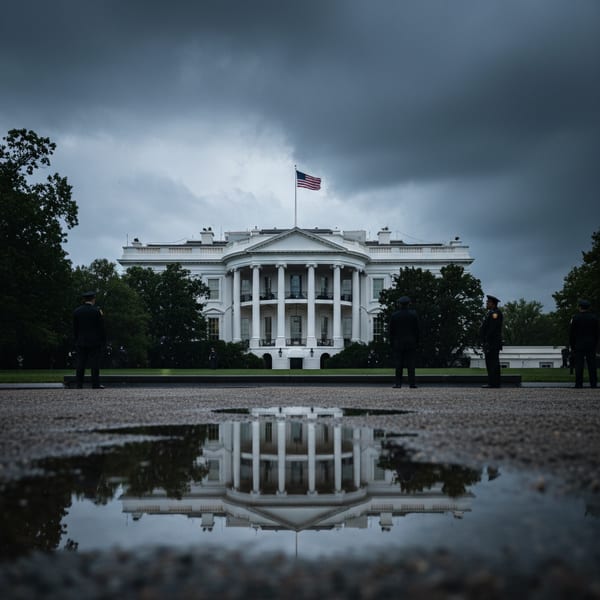
Critics quickly pointed out fundamental flaws in Stengel’s argument. The White House Correspondents’ Association itself bears the presidential residence’s name, indicating an established relationship between the press and the executive branch. Credentialed journalists occupy dedicated workspaces inside the White House, conduct daily briefings, and regularly participate in events throughout the property. Media representatives maintain constant access to the Oval Office for direct presidential discussions, all without documented threats to press freedom.
Broader Context on Press Freedom Debate
The shooting incident has generated widespread discussion about First Amendment protections and appropriate criticism of media institutions. Some press advocates argue that criticism of journalists should be limited to preserve free expression, creating what observers call a paradoxical position. Stengel’s career includes multiple terms as managing editor at Time Magazine and contributor roles at MSNBC, making his unfamiliarity with standard White House press operations particularly notable to industry watchers.
What This Means
The controversy highlights ongoing tensions between press institutions and public skepticism of media organizations. Analysts note that emotional reactions to the weekend’s events may be clouding judgment about longstanding press-government protocols. The annual correspondents dinner has occurred for decades without constitutional concerns, regardless of venue. As debates continue about appropriate boundaries for press criticism and access, veteran journalists face questions about whether advocacy positions conflict with objective reporting standards that built public trust in American journalism.