
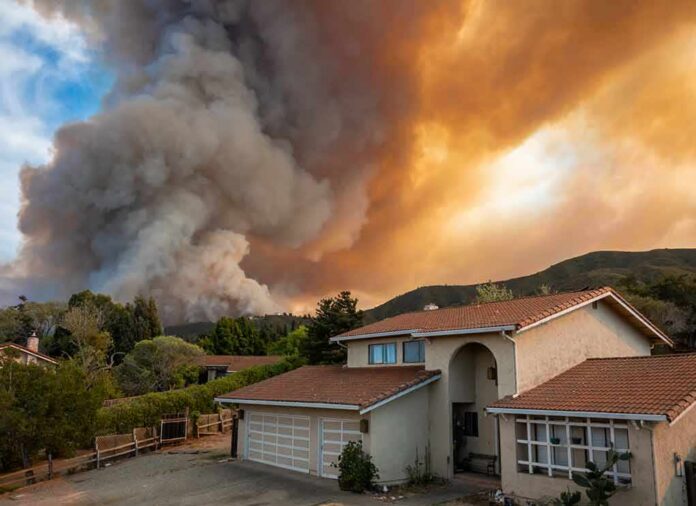
A human-caused wildfire has raced toward Reno, forcing mass evacuations and torching more than ten thousand acres as gusty winds drive the Hawk Fire across dry brush.
Story Highlights
- Officials say the Hawk Fire was started by people and list the cause as human.
- About 90,000 residents faced evacuation orders or warnings as flames neared neighborhoods.
- Nevada’s governor declared a state of emergency and mobilized resources to protect homes.
- Wind, low humidity, and dry grass and brush accelerated the wildfire’s rapid spread.
Officials Confirm Human Cause, Probe Exact Ignition
Washoe County’s emergency update listed the Hawk Fire cause as human and identified the origin near Hawk Meadow Trail by the Somersett area in northwest Reno. Local broadcasters reported officials said “the fire was started by people,” while noting investigators have not yet released a specific ignition source. This early classification matches common western wildfire patterns, where investigators first determine whether humans sparked the blaze, then work to pinpoint how it started as the incident stabilizes. Authorities stated the investigation remains active as crews focus on public safety.
County leaders and fire agencies warned residents across northwest Reno and the North Valleys as the blaze expanded fast. Reports described flames pushing toward the city and edging near major landmarks and neighborhoods, prompting a surge in evacuation alerts and closures. Emergency officials said approximately 90,000 people fell into “Get Set” and “Go Now” zones during the height of the spread. Crews urged people to leave early, keep roads clear for firefighters, and check official maps before returning. Shelters opened to support evacuees and vulnerable residents.
Weather and Fuels Drove Explosive Growth
Fire officials cited strong, gusty winds, low humidity, and dry grass and brush as the main drivers that turned a single ignition into a fast-moving wildfire. Local agencies described how those conditions helped spot fires jump ahead and pushed the Hawk Fire toward populated areas, stressing how fine fuels can carry flames quickly in late summer. Nearby counties and state partners echoed those warnings as the fire threatened homes and strained resources during an already active fire period in the region. These conditions often turn minutes into the difference between structure loss and survival.
Crews focused on life safety, structure defense, and holding lines along roads and ridgelines. Air assets joined the fight when winds allowed, laying retardant and water to slow the head of the fire and protect neighborhoods. Ground teams worked door to door to move people out of harm’s way while engines staged to defend homes. Officials cautioned that containment would take time given the weather and the fire’s rapid runs through flashy fuels. Residents were told to stay alert and follow official channels for real-time updates.
State Response and Community Impact
Nevada Governor Joe Lombardo declared a state of emergency in Washoe County as the Hawk Fire expanded, unlocking extra help and speeding resource moves to protect communities. Local coverage reported the state mobilized support, including National Guard personnel and helicopter crews to aid firefighting and safeguard evacuated neighborhoods. That response aimed to backstop local departments facing fast-changing fire behavior near dense housing. Leaders stressed that early evacuation and clear roads were key to saving lives and helping firefighters hold lines.
City services, schools, and local businesses felt the strain as smoke and closures disrupted daily life. Families packed bags, loaded pets, and moved to the Reno-Sparks Convention Center shelter or to stay with relatives and friends. Fire officials repeated that cause and spread are separate questions: people sparked this blaze, but wind and fuel made it grow fast. That reminder matters as investigators continue their work and as communities push prevention, defensible space, and commonsense stewardship to reduce risk during peak fire season.
Why “Human-Caused” Matters for Prevention
National fire data show people start the majority of wildfires in many western regions, including the Great Basin. Federal statistics report that nearly eighty-five percent of wildland fires nationwide are caused by humans, underscoring why prevention and quick reporting matter near cities like Reno. State and regional tallies in recent years also show large numbers of human-caused starts, which often occur close to roads, trails, and homes where one bad choice can endanger entire neighborhoods. Simple steps save lives when conditions turn critical.
HAWK WILDFIRE FORCES NEARLY 50,000 TO EVACUATE NEAR RENO
NEARLY 50 THOUSAND PEOPLE IN THE GO NOW ZONE… UNDER STRICT ORDERS TO EVACUATE AS THE MASSIVE HAWK WILDFIRE HAS GROWN TO 15 THOUSAND ACRES…
RENO, NEVADA FIRE CHIEF DAVE COCHRANE.,: “Take all your belongings, everything…— Worldwide News Network (@WorldwideNNX) August 24, 2026
Officials asked the public to avoid ignition risks, follow evacuation notices, and support crews with patience and clear roadways. Residents can help by creating defensible space, securing equipment that throws sparks, and calling in any new smoke fast. Investigators will release more details on the exact ignition when confirmed. For now, the priority remains keeping families safe, defending homes, and taking away a hard lesson: when winds rise and fuels are dry, one careless act can put an entire city at risk.
Sources:
facebook.com, cnn.com, rgj.com, ingest.abcnews.com, emergencywashoe.com, 2news.com, fresnobee.com, kunr.org