

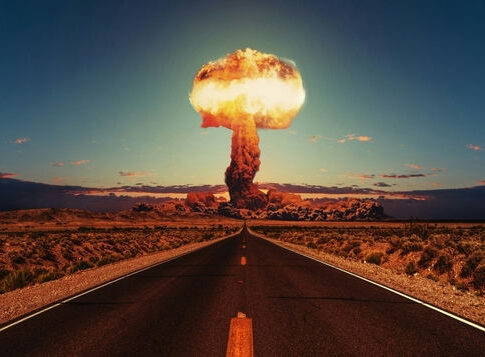
Europe’s elites are now telling ordinary families to plan for war-level disruptions—and the details expose just how fragile modern life has become.
EU “72-hour kit” guidance reflects a harsher security reality
EU officials have elevated civilian preparedness from a niche “prepper” habit to mainstream policy, urging households to maintain a 72-hour emergency kit. The framework is tied to the EU’s Preparedness Union Strategy released in March 2025, which emphasizes self-sufficiency during crises that can sever power, communications, transport, and access to cash. Recommended items include water, shelf-stable food, medicines, lighting, radios, and vital documents—essentials for riding out the first critical days of disruption.
The public-facing message has been reinforced by specific shopping-list style advice reported across outlets: bottled water or filtration, canned or long-life foods, batteries, torches, first-aid supplies, and a hand-crank or battery radio. Some guidance also stresses keeping cash on hand, acknowledging that payment systems can fail during outages or cyber incidents. This is not presented as doomsday fantasy; it’s built around the practical problem that government services and supply chains may not reach everyone quickly.
Nordic “war guide” precedent is influencing the wider European debate
Sweden’s “If Crisis or War Comes” guide—distributed to millions of households in 2024—has become a reference point for what large-scale, plain-language preparedness looks like. Finland and Norway have also published public materials on how families should respond during national emergencies, including armed-attack scenarios. That Nordic model treats citizens as adults who can handle direct information, a sharp contrast with the softer, often vague messaging many Western governments used during recent crises.
UK commentary has increasingly pointed to that Nordic transparency as a missing piece in British civil defense, with calls for household booklets and clearer public instructions. Reports also describe UK government planning documents urging “active preparation” amid heightened tensions with Russia, while the broader European conversation has been reignited by Middle East instability through early 2026. The core takeaway is that European governments are publicly acknowledging a wider range of realistic threats, including hybrid warfare and cyber disruption.
Political backlash shows how “preparedness” can become a power struggle
The EU push has not landed as a neutral public-safety message everywhere. Hungarian Prime Minister Viktor Orbán publicly criticized the survival-kit push, portraying it as a sign Brussels is “preparing for war.” That tension matters because it highlights a recurring problem: when central authorities communicate poorly, even reasonable household readiness can look like elite panic, agenda-setting, or narrative management. The EU, for its part, frames preparedness as broad and all-hazards—covering everything from storms to cyberattacks.
From a conservative perspective, the strongest part of this debate is the idea of personal responsibility: families that store basics reduce dependence on bureaucracy when systems fail. The weak point is trust—citizens remember years of top-down messaging on everything from lockdowns to energy policy, and they now watch officials pivot to “be prepared” after those same policies helped strain household budgets. The reporting doesn’t prove ulterior motives; it does show a credibility gap policymakers must overcome.
What the guidance means for families—and what it can’t solve
Across sources, the overlapping recommendations are straightforward: secure drinking water, non-perishable food, first-aid and prescriptions, lighting, and a radio that works without the grid. The advice also stresses documents and cash, a practical nod to identity, travel, and basic transactions during outages. Experts quoted in the coverage emphasize that readiness is about the first days—when confusion is highest—rather than guaranteeing safety in every scenario, especially a worst-case nuclear exchange.
Prepping for WWIII? Here's what scientists say you REALLY need in your emergency kit https://t.co/aBan8WPMJX
— Daily Mail (@DailyMail) March 6, 2026
What’s still limited in the public reporting is detailed implementation: who pays for public education campaigns, what standards apply across regions, and how governments will protect critical infrastructure to prevent the very breakdowns they’re warning about. As Europe debates kits and booklets, Americans should recognize the underlying lesson: resilient households are harder to intimidate, harder to manipulate in a crisis, and less dependent on emergency orders that can collide with individual liberty when panic hits.
Sources:
What should you be stockpiling for world war three
WW3 fears items to stockpile survival kit
UK 72-hour survival kit Iran USA Israel
Orban on the EU’s survival kit proposal: ‘Are these people up to something?’