
President Trump ordered the Pentagon to substantially reduce U.S.–South Korea military exercises, citing high costs and the need to avoid a hostile signal to North Korea.
Story Snapshot
- Trump directed a sizable cut to joint drills with South Korea, focusing on cost and diplomacy.
- Small-scale training is expected to continue as larger exercises are pared back.
- Seoul emphasized the value of the alliance and ongoing coordination with Washington.
- The move echoes past suspensions tied to talks with Pyongyang.
Trump’s Directive: Scale Back Large Drills, Keep Alliance Strong
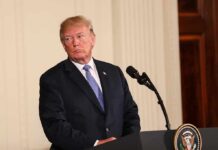
President Trump told the Department of Defense to “substantially reduce” combined exercises with South Korea. He framed the drills as expensive and as sending a “totally inappropriate and hostile” message while he seeks room for talks with Kim Jong-un. The order targets the largest events that require major forces and deployments. The White House signaled smaller, routine training can continue so troops keep skills sharp while costs fall and diplomacy gets a chance.
The administration’s approach follows a known pattern. In 2018, the Pentagon halted planning for the August Freedom Guardian exercise “in line with President Trump’s promise,” and did so in collaboration with South Korea. Trump also called the big “war games” provocative and very expensive during the Singapore summit period, linking posture changes to diplomacy with Pyongyang. The latest instruction continues that logic: reduce large, high-visibility drills while maintaining core readiness at lower levels.
Cost, Signaling, and Deterrence: Balancing Priorities
The stated rationale blends two aims: cut costs and avoid steps that look hostile while talks are possible. Reporting reflects Trump’s cost focus, though public materials here do not provide a line-item accounting for specific 2026 exercise savings. The signaling argument also tracks with prior episodes where Washington paused major drills to support diplomacy, even as critics argued steady training best supports deterrence against North Korea’s missile and nuclear threats. Small-unit training and command-post events have often filled the gap.
Supporters of steady combined training stress that predictable, large exercises build trust and speed across allied forces. Analysts and commanders have long tied these drills to the ability to “fight tonight,” integrate strategic assets, and ensure joint planning stays current. Others contend that scaled or redesigned exercises can still protect deterrence while lowering risk of miscalculation and reducing costs. Past adjustments included shifting to command-post exercises and trimming large field events, which preserved many readiness benefits without the same footprint.
South Korea’s Message: Alliance First, Coordination Ongoing
South Korean leaders underscored the importance of the United States alliance and regular coordination with Washington. In earlier pauses, officials highlighted consultation and alliance unity even when large drills were suspended, and press coverage described the public as watching closely for clear guidance. Today’s reduction follows that history. The message from both capitals signals that the alliance remains strong, even as the scale and shape of training adjusts for strategy, diplomacy, and budgeting needs.
South Korea President Lee: nation must brace for "worst-case scenario" as Trump cuts joint military drills. Lee: annual exercises defensive, not aimed at raising tensions with North Korea. #Geopolitics #Korea #Markets
— Shaheen Eye (@ShaheensEye) August 18, 2026
The broader record shows that adjusting exercise size is not new. Large drills have been postponed or suspended during sensitive talks before, and then reshaped or resumed as conditions changed. The Defense Department has previously emphasized that smaller exercises and routine training continue during such pauses, which helps sustain core readiness even as big set-piece events are reduced. The current decision fits that track: maintain essential skills, reduce headline-grabbing maneuvers, and seek leverage in talks with Pyongyang.
What Changes on the Ground: Practical Effects to Watch
Commanders will likely refine schedules, shrink force packages, and lean more on command-post drills and bilateral staff work. Those events test planning, communications, and logistics at lower cost. Units can still practice live-fire and combined tactics in smaller formations. Observers should watch for updates from United States Forces Korea and Combined Forces Command on training calendars, force movements, and any added focus areas like missile defense or counter-drone operations that reflect evolving threats.
For conservatives, the core test is simple: protect American strength while stopping waste. This step seeks to do both. It trims big-ticket events that burn fuel, time, and money, and it keeps the door open for talks that could lower risk for U.S. troops and allies. At the same time, smaller drills and command-post work keep our edge alive. If conditions worsen, larger exercises can scale back up fast. That flexibility supports security without writing a blank check.
Sources:
cbsnews.com, abcnews.com, cnbc.com, military.com, theguardian.com, yahoo.com, inss.re.kr, rand.org