
Video from a wake in Guatemala shows a 15-year-old girl sitting up in her coffin as relatives rush to help, after her family had believed she was dead based on their own checks and without a doctor’s certification.
Story Snapshot
- Video shows a teenager moving and being helped out of a coffin during her wake.
- The family says no doctor declared her dead before the wake in Quiché, Guatemala.
- The father says he found no pulse or breath and turned back before reaching a hospital.
- The teen later described chest pain, fainting, and waking to voices around her.
What Happened At The Wake In Quiché
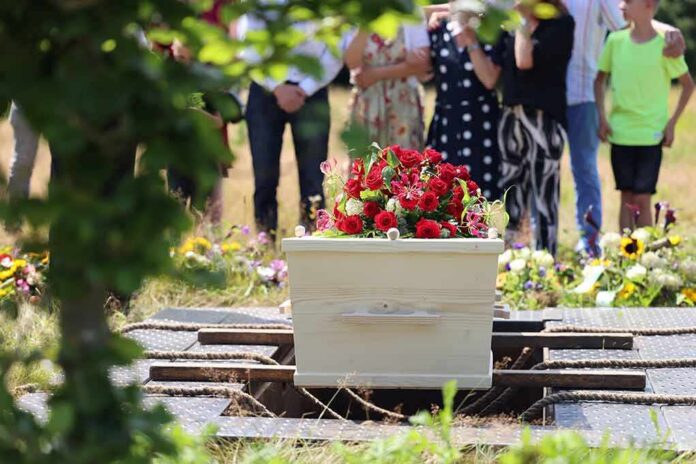
Relatives in El Jocote, Sacapulas, in the Quiché region of Guatemala, gathered for a wake for 15-year-old Yuleidy Ixcotoyac. During the vigil, the teenager began to move and sit up. Video shared by local and regional outlets shows people lifting the coffin lid, offering water, and helping her out as onlookers react in shock. Reports describe hours between the collapse and the wake, but do not present a hospital record for that period. The family had prepared for burial before the movement began.
Coverage names the girl and location, and attributes the video and interviews to local media. Outlets say the event unfolded after a sudden health crisis that led the family to believe she had died. The footage and interviews drove wide attention across platforms inside and outside Guatemala. Local reporting focused on the moment she stirred, while also noting the lack of a formal medical declaration at the time of the wake.
The Family’s Account Of The Hours Before
The father, Abraham Ixcotoyac, says his daughter felt severe chest pain and then went limp. He says he could not detect breathing or a pulse as they traveled, and he decided not to continue on to a hospital after reaching the San Pedro Jocopilas area. He bought a coffin and returned home, where the family began the wake. The mother later recalled believing her daughter was alive when she saw movement during the vigil, which stopped the burial plans.
The teenager later gave her own brief account on camera. She said her chest felt heavy, then she blacked out. She said she woke to voices and movement around her at the wake and called her experience a miracle from God. Her description aligns with a fainting event as she understood it. No diagnosis has been shared publicly. Local authorities and health officials have not released any medical report explaining her condition at collapse or after she regained consciousness.
Death Declarations Require A Doctor, Not Guesswork
International health guidance states that a medical practitioner must certify a death and record the cause using a standard medical certificate. The World Health Organization describes key signs and methods for confirming death and instructs that the person who signs the certificate is responsible for the determination. Guidance stresses checking for central pulse and breathing, and recognizing confirmed signs like livor mortis and rigor mortis in some circumstances. Those steps help prevent tragic mistakes.
Reports in this case say no clinician examined the girl or certified her death before the wake, which is a critical gap. That detail matters more than the viral video. It shows how fear, distance from medical care, and cost pressures can push families to make life-and-death calls they should never have to make. It also shows how fast social media can spin an event into a “miracle” story before basic paperwork or an exam can be done.
Why This Story Resonates Beyond Guatemala
People across the political spectrum feel that large systems often fail in simple ways. Families want a clear process for emergencies, and they want trained professionals to show up. When that does not happen, people rely on what they have: their eyes, their hands, and their faith. This case highlights the cost of thin medical access and weak recordkeeping. Those cracks do not just exist far away. Rural towns in the United States face long drives, thin staffing, and delayed care, too.
Basic safeguards can prevent harm. Communities need quick access to trained responders and clear guidance on what to do when someone collapses. Health systems need to certify deaths with care and documentation. Media outlets can still tell human stories while stating what is confirmed and what is not yet known. In this case, the most important confirmed facts are simple: the girl moved and spoke during her wake, and no doctor had declared her dead before then.
Sources:
reduno.com.bo, larazon.es, infobae.com, us.headtopics.com, tvaztecaguate.com, romanews.com.br, conservativeinstitute.org