

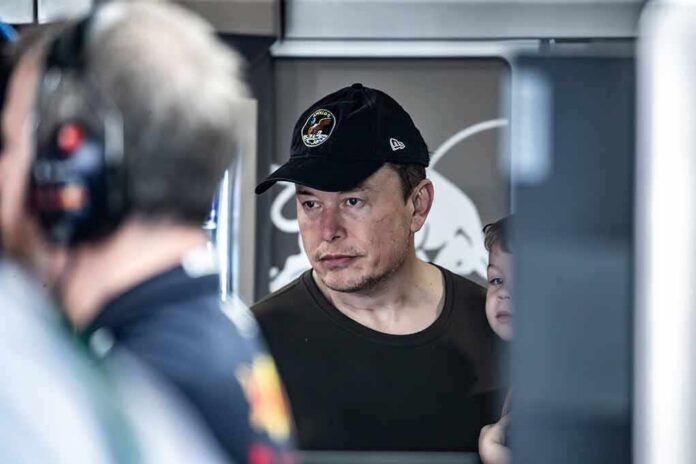
SpaceX and Elon Musk are putting company stock straight into children’s Trump Accounts, cutting out big nonprofits and putting assets where families can actually see them grow.
Story Highlights
- SpaceX will give one newly issued Class A share to every active Trump Account.
- Elon Musk plans to match SpaceX’s gift with an additional share per account.
- Gwynne Shotwell pledged over 2 million SpaceX shares for eligible children.
- Direct gifts challenge nonprofit gatekeepers and reduce overhead in giving.
What SpaceX, Musk, and Shotwell Committed
SpaceX said it will donate one newly issued Class A share to every currently active Trump Account. The company described these as tax-advantaged investment accounts for American children. That means stock goes straight to a child’s account instead of moving through a grantmaking group first. Elon Musk, the company’s chief executive, said he would match the gift with another share per account, doubling the impact of this direct transfer.
Gwynne Shotwell, SpaceX’s president and chief operating officer, also pledged a personal gift of more than 2 million shares for distribution to eligible children. That large commitment adds to the program’s reach and shows leadership is backing the idea with their own equity. These steps create a direct line from donor to beneficiary. They also offer a public test of whether fewer middlemen can speed help and keep more value in kids’ accounts.
Why Direct-to-Family Giving Matters Now
Supporters say Trump Accounts fix a common problem in modern philanthropy. Too many dollars get stuck in layers of foundations, donor-advised funds, and consultants. That delays help and can water down results. By putting assets into children’s accounts, donors reduce overhead and restore accountability. Families can see balances and growth. SpaceX called the accounts a way to help American children build long-term savings, which lines up with conservative aims to grow ownership and responsibility.
Evidence from aid programs abroad shows that direct transfers often beat in-kind aid on key outcomes and are cheaper to deliver. Reviews led by the World Bank found cash transfers can lower poverty, improve health and nutrition, and are often more efficient than other methods. That broad record supports the core idea that getting resources to recipients, with minimal friction, can improve results and cut waste. It does not settle every detail here, but it backs the direction of travel.
What Critics Say—and Where the Case Is Weaker
Several commentators argue that cutting out nonprofits risks losing coaching and safeguards that help families make the most of funds. The Urban Institute says direct giving and nonprofit support should work together, not compete. Others warn the accounts may not close wealth gaps if families cannot add steady contributions. These claims raise fair questions on program design, but they do not dispute that SpaceX stock is going straight to kids’ accounts as announced.
Some writers add that big foundations vet grantees and monitor results, and say this oversight has value. They argue private gifts should enhance public programs rather than stand in for them. Those views reflect a decades-old debate over central control versus recipient choice. The new commitments invite a real-world test: can simpler routes to families deliver more value than bureaucratic filters without losing needed guidance?
What This Means for Families and Donors
For families, a direct stock deposit is simple and visible. Parents can track what arrives and decide how to manage it over time. For donors, this model offers faster delivery and clearer lines of responsibility. If a share lands in a child’s account, less is lost to overhead. If the program needs education or guardrails, partners can add those later without bringing back bloated layers that hide costs and delay help.
@elonmusk and @SpaceX's decision to give shares directly to American children through @TrumpAccounts will have devastating consequences for hardworking NGO employees who will be denied the opportunity to take a cut of this money.
The socially responsible approach would be to…
— Jeffrey Weichsel @NeurIPS Sydney (@jeffreyweichsel) November 27, 2026
For conservatives, the shift reflects core values: empower people, trim bureaucracy, and reward saving. President Trump’s administration has made ownership and accountability central themes. The SpaceX pledges turn those themes into action that families can measure. Policymakers and the private sector can now track uptake, growth, and outcomes. If results are strong, this approach could reshape giving across the board and reduce the grip of gatekeepers who have too often failed to deliver.
Sources:
cnbc.com, ir.spacex.com, morningstar.com, factcheck.org, philanthropy.com, staging.philanthropy.com