
President Trump rallied Tennessee voters in Clarksville, calling Republicans to the polls less than three weeks before the midterms.
Story Highlights
- Trump held a midterm rally at F&M Bank Arena in Clarksville on Oct. 10.
- The event aimed to energize Republican turnout before early voting and Nov. 3.
- Kid Rock introduced Trump; Republican leaders Marsha Blackburn and Bill Hagerty were featured.
- Republican organizers framed the stop as a base-mobilizing push in a red state.
Clarksville Rally Details and Schedule
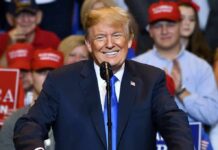
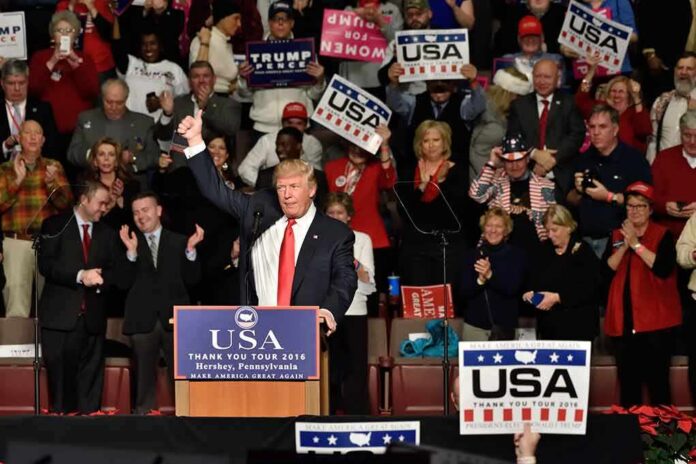
Local and national outlets reported President Trump’s Clarksville rally at the F&M Bank Arena on October 10, with doors opening late morning and the program running into the afternoon. Reports noted that Trump took the stage after an introduction from musician Kid Rock, drawing a charged crowd in downtown Clarksville. Coverage described the stop as part of a wider pre-midterm tour across Republican strongholds, designed to focus attention on turnout as voting nears.
Event updates from Tennessee media placed the rally four days before early voting, underscoring the calendar pressure on campaigns to lock in support. Outlets emphasized the public schedule, venue, and the rally’s role within a broader midterm push. The reporting tied the timing to a late-stage sprint to motivate reliable conservatives and reach casual voters who agree with key Republican issues like border security, energy independence, and lower taxes.
Republican Figures on Stage and the Stated Goal
Senator Marsha Blackburn and Senator Bill Hagerty were featured by name in coverage, highlighting their visibility and the ticket’s alignment with the president’s message. The Tennessee Republican Party chair, Scott Golden, greeted attendees, reinforcing that state party leaders worked to channel the crowd’s energy into votes. Party-aligned statements described the purpose as “supercharging” turnout, making clear the rally’s practical aim: get conservatives to the polls and protect Republican seats.
Reports also noted the Republican National Committee’s framing of the event as a mobilization stop, consistent with a red-state tour to bolster base excitement. Trump’s posts and allied messaging pointed to support for congressional candidates alongside Blackburn and Hagerty. This reflects a common midterm pattern: the president lends star power to energize local operations, remind voters of core issues, and link state races to national stakes like the economy and border control.
Timing, Stakes, and the Midterm Playbook
The rally arrived as campaigns shift from persuasion to turnout, where energy, reminders, and community signals can matter. Research and recent cycles show presidential visits often seek to lift enthusiasm rather than change minds late in the race. Reporting described the Clarksville event as base-focused, aligning with the push to bank votes early and drive Election Day participation. In strong Republican regions, this strategy aims to increase margins and support down-ballot candidates.
The Tennessean’s coverage placed the rally against a backdrop of media talk about potential Republican losses, even in a red state. That framing can sharpen focus on turnout discipline and message clarity. For many conservative voters, the stakes include stopping national overreach, ending lax border policies, cutting inflationary spending, and restoring affordable energy. The Clarksville stop packaged those priorities into a clear call to action: show up and vote to defend conservative gains.
What Conservative Voters Heard in Clarksville
Speakers and organizers set a simple target: protect the majority by voting early or on November 3. The crowd heard familiar themes—law and order, parental rights, the right to bear arms, secure borders, and jobs tied to American energy. That platform fits the concerns of many Tennessee conservatives who have faced higher costs and culture fights in recent years. The rally turned those issues into instructions: help allies on the ballot and keep Washington focused on limited government.
US President Donald Trump has floated the idea of renaming either the Atlantic or Pacific Ocean as ‘Trump Ocean’ or ‘Ocean of the Americas,’ extending his push to put an American imprint on geographical names.
Trump made the remarks during a campaign rally in Clarksville,… pic.twitter.com/LPjbllX3nk
— India Today Global (@ITGGlobal) October 11, 2026
Coverage did not attempt to measure the rally’s electoral impact; it documented the event, the players, and the goal. That is normal for late-cycle stops. Campaigns want headlines, visuals, and momentum, while local leaders turn that attention into door knocks and ballots. Clarksville delivered that mix: a packed venue, known Republican figures, and a message synced to turnout. Now, as early voting opens, the question shifts from staging to execution at the precinct level.