

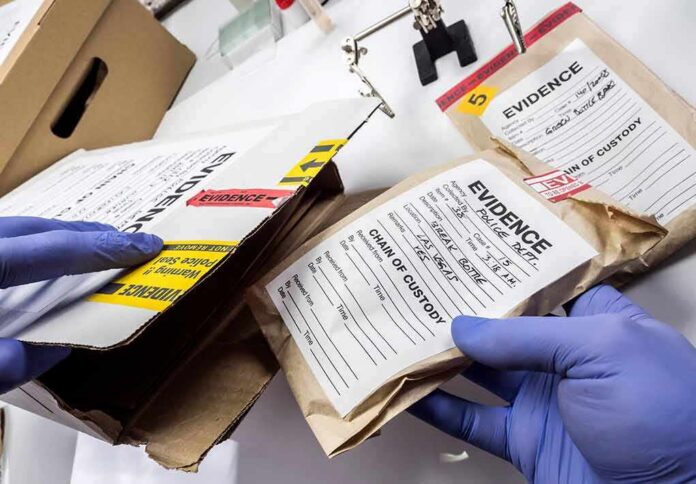
A North Carolina jury delivered justice for Faith Hedgepeth after forensic DNA and print evidence pointed to one man.
Story Snapshot
- Jurors convicted Miguel Salguero Olivares of murder, rape, sexual assault, and burglary.
- Prosecutors linked him to DNA on Hedgepeth’s body and a blood-covered rum bottle.
- Investigators matched his fingerprints and palm print to a wine bottle at the scene.
- Defense challenges focused on a missing bathroom blood sample and untested items.
Verdict Anchored by Forensic Links
Jurors in Durham, North Carolina found Miguel Salguero Olivares guilty of first-degree murder, first-degree rape, first-degree sexual assault, and first-degree burglary in the 2012 killing of University of North Carolina student Faith Hedgepeth. The prosecution built its case on DNA and print evidence that, they said, tied Olivares directly to Hedgepeth and items at the scene. The News & Observer reported the verdict and the central role of the forensic evidence in the state’s case.
Trial coverage described how experts testified that Olivares’s fingerprints and palm print were found on a wine bottle in the apartment. Reporting also stated that his DNA was identified on a rum bottle covered in blood, which investigators treated as part of the attack narrative. These lab-based links gave jurors a physical trail from the crime scene back to the defendant, strengthening the timeline and the state’s account of what happened that night.
How Investigators Built the Case
Crime lab testimony walked jurors through the testing process, from collection to comparison. Reporting explained that investigators used genetic genealogy leads and traditional lab comparisons to focus on Olivares, then confirmed the match with direct sampling. Analysts also testified about print identifications, including a left palm print and a left thumbprint that matched the defendant on a wine bottle recovered in the apartment. This layered approach gave the jury multiple, independent points of contact.
Separate trial updates detailed how a fingerprint expert identified a palm print on a blue wine bottle as belonging to Olivares, supporting the state’s claim that he handled items in the apartment. Prosecutors argued this was not random transfer but direct contact during the crime window. That physical placement mattered to jurors weighing who touched what, when, and how those actions fit the larger pattern of violence inside the apartment.
Defense Challenges and Evidence Gaps
Defense attorneys pressed on gaps and handling. They argued a blood sample reportedly collected from the bathroom door frame could not be found later and should have been tested, possibly for DNA from another person. They also highlighted untested bedding and why Hedgepeth’s cellphone was not swabbed for DNA. The court record shows the judge allowed the trial to proceed despite these issues, but the questions about missed steps were put before jurors.
Defense questioning also noted mixed DNA results in some items and raised consent arguments around biological material. Reporting showed jurors still accepted the state’s core evidence, which included the defendant’s DNA and identified prints on key items. The conviction means the jury decided the total evidence overcame doubts about missing or untested samples. That outcome underscores a clear message: when labs, detectives, and prosecutors line up the facts, violent offenders can be found and held to account.
Sources:
yahoo.com, sandiegouniontribune.com, abc11.com, clickorlando.com