

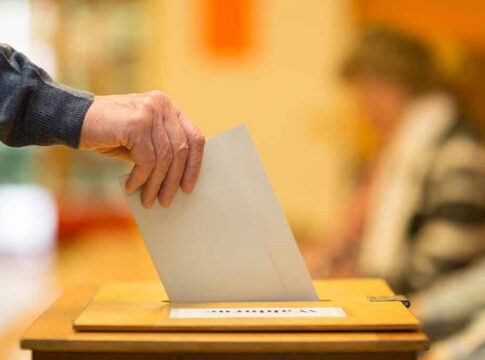
Republicans face a puzzle that has confounded political strategists for generations: how do you mobilize voters who come out for a charismatic leader when that leader isn’t on the ballot?
The Trump Voter Turnout Dilemma
Republican operatives confront a harsh reality proven across multiple election cycles: Trump voters disappear when Trump disappears from the ballot. Matt Gorman, a veteran political operative, crystallized the challenge Republicans face in November. The party must engage the GOP base with the same intensity that delivered victory in 2024, except the magnetic force that drew millions to the polls won’t be seeking reelection. History offers little comfort, as midterm elections consistently punish the party controlling the White House through depressed base turnout and energized opposition voters.
Preventing Primary Warfare
The White House and Republican National Committee have adopted an unprecedented approach to candidate recruitment: intervene early, intervene often. National Republicans are steering candidates in key toss-up races before primary battles can erupt, marking a dramatic shift from Trump’s first administration when internal party conflicts frequently produced damaged general election nominees. This coordinated strategy aims to secure swing districts with Trump-aligned candidates who can compete effectively without bearing the scars of contentious primaries. Republican operatives note improved party coordination, suggesting lessons learned from past electoral disappointments have reshaped how the party approaches competitive races.
The Permanent Campaign Machine
DNC Chair Ken Martin admitted something Democrats would prefer to keep quiet: Republicans have mastered the art of the permanent campaign. While Democrats traditionally ramp up operations closer to elections, Republicans maintain continuous organizing and communication efforts that never stop between cycles. This approach keeps the base engaged, donors contributing, and volunteers activated year-round. The RNC plans to amplify this advantage through Trump’s proposed Midterm Convention, designed to showcase Republican accomplishments since the 2024 presidential election and maintain momentum heading into the fall campaign season.
Message Discipline on Core Issues
RNC Chair Joe Gruters has outlined the Republican game plan with remarkable clarity: taxes, crime, and border security. The messaging strategy frames the election around a fundamental question of which party makes Americans safe and prosperous, deliberately avoiding tangential issues that might divide the coalition. This disciplined approach reflects Republican confidence that these core concerns resonate with both the party base and persuadable independent voters worried about economic conditions. The strategy bets that voters prioritize kitchen table issues over abstract policy debates, a calculation that polling on individual issues appears to support.
The SAVE Act Gambit
Senate Republicans face internal tensions over legislative priorities, particularly regarding the SAVE Act election security legislation that Trump claims will guarantee midterm success. The bill includes photo ID voting requirements that poll at 80-20 support levels, yet lacks the Senate votes needed for passage under current filibuster rules. This creates a strategic dilemma: do Republicans pursue filibuster reform to pass the legislation, or do they preserve the filibuster as protection against future Democratic majorities? The Texas Senate race between John Cornyn and Ken Paxton has transformed into a proxy battle over this question, with both candidates competing for Trump’s endorsement by positioning themselves on the SAVE Act.
Redistricting as Insurance Policy
Republicans are pursuing mid-cycle redistricting efforts to gain additional House seats, providing insurance against the historical midterm disadvantage facing the party controlling the White House. Trump and other Republican leaders are pushing state legislatures to redraw congressional maps where opportunities exist, potentially adding seats that could offset losses elsewhere. These efforts face legal challenges and logistical hurdles, but represent a recognition that Republicans need every available advantage to maintain their House majority. The strategy acknowledges that demographic and geographic realities in many competitive districts favor Democrats absent structural interventions.
Democratic Counter-Mobilization
Democrats aren’t sitting idle while Republicans build their permanent campaign infrastructure. The party launched early mobilization efforts rather than waiting until 2028 to begin presidential campaign work, recognizing the sophisticated Republican organizational advantage. Democrats are attempting to replicate the continuous organizing model that Republicans have perfected, maintaining communication with voters and building volunteer networks well before traditional campaign season begins. The National Republican Senatorial Committee characterized Democrats as facing historically low approval ratings and internal divisions, but Democratic early mobilization suggests the party takes the Republican threat seriously regardless of polling advantages.
The stakes extend beyond congressional control to the fundamental capacity of Trump’s administration to govern. Republican majorities enable Trump to advance his legislative agenda, while Democratic control would unleash investigations and oversight hearings placing the administration on the defensive. Both parties understand that billions of dollars in campaign spending will flood competitive districts, determining whether Republicans validate their coordinated strategy or face a reckoning over their approach to base mobilization without Trump on the ballot. Conservative critics warn that perceived compromises on immigration enforcement and election security could demoralize the activist base, creating the very turnout problem Republicans are working to prevent.
Sources:
ABC News: How Republicans are planning to win the 2026 midterms without Trump on the ballot
Politico: Senate Republicans worry about losing ground in midterm races
The Spectator: Are Republicans Trying to Lose the Midterms?
Tucson Sentinel: Midterm Math Analysis
AMAC: Can the Republican Cash Advantage Overcome the Midterm Curse?
Maybe a lack of leadership and not getting the message out of how important it is to get voters to the poles. If you don’t show voters what you’ve accomplished for them and what they stand to lose, then it’s your fault they don’t turn out. JMO.