

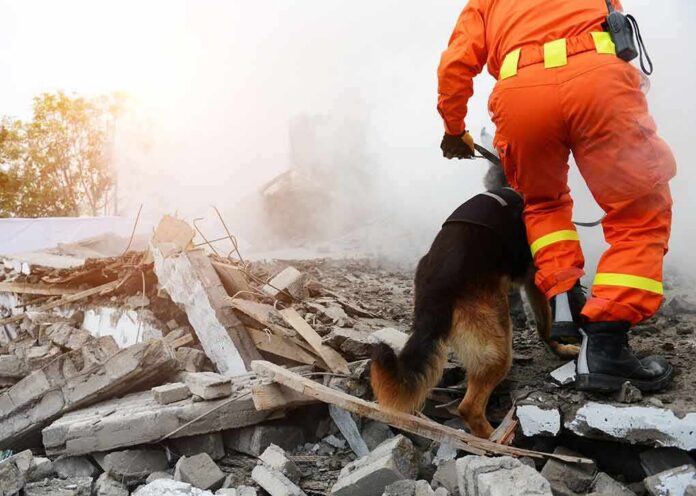
Two hydropower workers were pulled alive from a Nepal tunnel nine days after deadly floods, a hard-won rescue that shows what determined crews can do under crushing odds.
Story Highlights
- Nepal’s army and rescue teams reached trapped workers after days of nonstop digging and pumping.
- Officials called saving tunnel workers the top priority as operations pressed on at several sites.
- Rescuers used heavy machines, drilled access points, and pumped air and mud to open passages.
- Early counts of the trapped and missing varied across projects as teams verified who was underground.
Rescue Teams Free Survivors After Days Underground
Nepal’s rescue crews pulled two workers alive from a mud-choked hydropower tunnel nine days after flash floods ripped through mountain valleys. Officials said teams focused on reaching people sealed underground as a first priority, while other searches continued across damaged sites. Engineers and soldiers battled thick debris and unstable ground to punch into blocked sections. The operation offered a rare bright moment in a disaster that hit several projects and left many families waiting for news.
Authorities said crews entered multiple tunnels, cleared blockages, and worked methodically to find safe pockets. Reports described drilling into upper sections, pumping air, and then digging down with excavators to create access for stretchers and medics. The push involved around-the-clock shifts under harsh conditions. Ground leaders stressed speed and safety, keeping workers moving even as fresh slides and floodwater slowed progress. The success showed how planning and grit can still save lives when time is short.
Officials Describe Ongoing Operations Across Projects
Nepal’s Energy, Water Resources and Irrigation Minister said rescuing tunnel workers was the highest priority for the government, with missions staged at specific hydropower sites. The Nepal Army reported that specialized teams, supported by foreign experts, were active at several projects, sharing skills and equipment where needed. The prime minister’s office highlighted earlier rescues of hundreds of workers and locals during the first surge of flooding, underscoring the scale and pace of the response. Coordination tightened as access routes opened and site counts improved.
Rescue leaders stepped up efforts after early field reports showed people feared trapped in different tunnels, including portions of the Trishuli corridor. Teams moved generators, pumps, and drilling rigs into position and mapped potential survivable chambers that might hold air. Heavy mud, boulders, and damaged concrete slowed each advance. Commanders shuffled crews between sites when breakthroughs seemed likely. The goal was simple and urgent: reach anyone alive underground, stabilize them, and move them to care as fast as possible.
Why Numbers Shifted As Searches Advanced
Early figures on the trapped and missing changed as teams gained access and confirmed locations. Some outlets cited dozens trapped in a single tunnel, while others reported hundreds across projects. In one case, soldiers sent a drone into a tunnel and found no one inside, showing how fast-moving reports can overstate underground numbers until checks are done. That fluid picture reflects the chaos of landslides, severed roads, and destroyed surface camps that scattered rosters and stranded workers in many places.
Reporters noted that crews at several sites broke through into upper tunnel sections and then pushed lower by pumping and drilling, a pattern that can take days to complete in heavy sediment. As communications returned, managers matched shift logs with rescue lists and hospital intakes. Those reconciliations trimmed earlier tallies and directed manpower to the most promising access points. Officials balanced transparency with caution, sharing key updates while focusing resources on operations most likely to save lives underground.
The Bigger Risk Picture For Mountain Hydropower
Floods and landslides hit run-of-river hydropower projects hard, and Nepal has seen repeated damage across plants during intense monsoon seasons. Research documents dozens of projects harmed in recent years and shows how debris surges can choke tunnels and bury surface sites. This event fit that pattern: sudden water and rockflows battered intakes and galleries, then sealed workers behind mud plugs. Engineers and policy makers will likely review warning systems, tunnel layouts, and escape planning to reduce risk during future storms.
🇳🇵 Trapped tunnel workers rescued in Nepal 'miracle'
Two hydropower workers have been pulled alive from a tunnel buried by debris in Nepal, a rare ray of hope on the tenth day of rescue efforts after catastrophic Himalayan flooding. pic.twitter.com/HMAvNRzlLy
— AFP News Agency (@AFP) September 4, 2026
For American readers, this story is a reminder of why clear planning, trained crews, and reliable gear matter. When disaster strikes, skill and readiness save lives. Nepal’s teams showed that with focus, courage, and the right tools, even a blocked mountain tunnel can give up survivors. As the final counts settle, the two rescued workers stand as proof that fast action and hard work still make the difference between tragedy and hope in a crisis measured in minutes and inches.
Sources:
youtube.com, english.onlinekhabar.com, bbc.com, dtnext.in, abcnepal.tv, whalesbook.com, apnews.com