

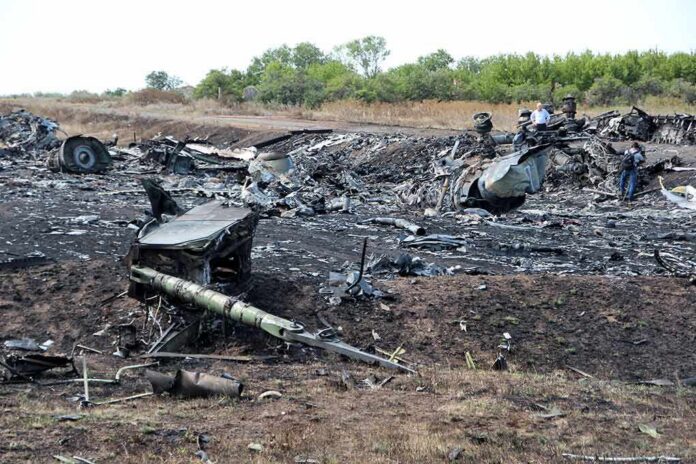
Flight data show the Amazon-branded cargo jet applied go-around thrust after touchdown before overrunning a Miami runway, killing five on the ground.
Story Highlights
- Investigators recovered the flight and cockpit recorders and began data analysis.
- Data indicate a late shift to go-around power after touchdown, followed by a runway overrun.
- The Boeing 767 ended about 1,300 feet past the runway and struck two vehicles.
- Officials identified the flight as Amazon Air 7598, operated by 21 Air LLC.
NTSB data point to late go-around thrust after touchdown
National Transportation Safety Board investigators said the flight data recorder captured touchdown on the nose and right gear, then the left gear, followed by brake release and throttle increase to levels consistent with a go-around attempt. The timeline places those power changes seconds before the recording ended. That sequence aligns with a late try to recover the landing. Investigators cautioned that the probable cause will come later, after full analysis and interviews are complete.
Investigators recovered both the flight data recorder and the cockpit voice recorder soon after the crash and sent them for evaluation. That step matters because the devices anchor the timeline with hard numbers. The cockpit voice recorder can also capture crew calls and alerts. Officials had not released a transcript at the time of the initial data briefings, but the recordings will help confirm whether the crew called for a go-around or continued a landing roll.
Runway overrun and impact details at Miami International
The Boeing 767-33A cargo jet overran the runway at Miami International Airport and came to rest about 1,300 feet beyond the end. The aircraft struck two vehicles, which led to five deaths and additional injuries on the ground, according to early reports from the scene. Fire and rescue teams responded quickly to contain the blaze. The pilots survived and awaited interviews, giving investigators a chance to match firsthand accounts to the recorded data.
Officials identified the flight as Amazon Air Flight 7598, a Boeing 767-33 Alpha operated by 21 Air LLC, which contracts to fly Amazon cargo. That split between branding and operator can confuse the public on who manages training and procedures. For investigators, the operator of record determines maintenance records, crew scheduling, and standard operating methods. Those files will be reviewed alongside the flight data and cockpit audio to build the full picture.
Key safety questions: touchdown point, speed, and decision timing
Federal investigators said they would examine whether the aircraft touched down too far down the runway to stop safely, plus speed, braking, winds, and any mechanical issues. Runway excursion research shows a common risk chain: unstable approach, late touchdown, and delayed braking or thrust reversers can stack the odds against a safe stop if pilots do not go around in time. The data showing brake release and go-around thrust after touchdown suggest the crew tried to recover late in the roll.
Amazon cargo jet tried to abort unsteady landing before Miami crash that killed 5, per flight data https://t.co/0R9FUfYRgo
— WBRC 6 News (@WBRCnews) September 9, 2026
Safety records and past accident findings stress one core habit: if the approach is not stable, go around before landing long or fast. That rule reflects simple math. A heavy jet needs distance to stop. A touchdown far down the runway shrinks that margin fast. The coming release of the cockpit voice recording, pilot interviews, and raw data on brakes, spoilers, and reversers will help determine if a timely go-around call was made and why stopping systems did not prevent the overrun.
Sources:
cnn.com, reuters.com, 6abc.com, cnbc.com, nytimes.com, apnews.com