
Police say a man stormed a Manhattan synagogue during Shabbat, assaulted congregants, and was charged with hate crimes on the spot.
Story Highlights
- NYPD announced hate-crime charges after a violent disruption at Central Synagogue.
- Reports say the attacker used anti-Jewish slurs and struck a 63-year-old woman.
- A prosecutor said the suspect called congregants “swine” and “fake Jews”.
- One official source said investigators lacked evidence of a specific targeted person.
NYPD Charges Hate Crimes After Shabbat Assault
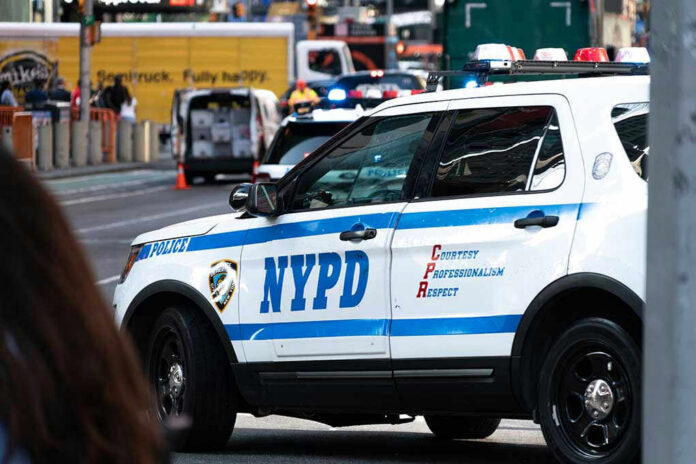
New York Police Department officials said they arrested 46-year-old Larry Montes after he disrupted Friday night Shabbat services at Central Synagogue in Midtown Manhattan. Police said the attack included assault and damage to property inside the house of worship. New York Police Department Commissioner Jessica Tisch stated that Montes faces two counts of assault as a hate crime and one count of criminal mischief as a hate crime, among other charges, following the incident at 652 Lexington Avenue.
Local coverage reported the conduct began during a live service and quickly turned violent. Reporters said Montes hit a 63-year-old woman and fought with synagogue security. A video livestream captured parts of the chaos as a guard restrained the suspect while he yelled, according to national coverage. Those reports described spitting, a headbutt against a security staffer, and broken items inside the sanctuary during the outburst on Friday evening in Midtown East.
Prosecutors Cite Anti-Jewish Slurs and Motive
Prosecutors told a court that Montes used explicit anti-Jewish language while inside the synagogue. The account included claims he called congregants “swine” and “fake Jews” and cursed Jews during the confrontation. A report quoted the assistant district attorney describing statements by Montes about acting on “instinct” and being “mad.” Those attributed remarks support the hate-crime charges but remain allegations until tested in court through formal evidence and cross-examination.
Some law enforcement sourcing urged caution on the scope of the bias motive. A national outlet, citing an official, reported investigators did not yet have evidence he targeted a specific individual inside the synagogue. That detail does not undo the hate-crime charges, which can focus on bias toward a protected group, but it does show parts of the motive record are still developing. The case now moves to the courtroom, where proof standards are higher than in press briefings.
Security, Community Impact, and What Comes Next
Central Synagogue’s location, service time, and a livestream meant the community watched this unfold in real time. Houses of worship deserve strong protection, and the law provides it. The bias enhancement signals that anti-Jewish violence will not be brushed aside in New York City. Police made a quick arrest, and city leaders amplified the charges to reassure worshippers that attacks on faith communities face swift response and serious penalties under state law.
Conservatives see a clear lesson: keep our synagogues, churches, and temples safe with firm policing, not soft excuses. The court will decide the facts, but the public record already shows a violent breach during worship, reported slurs, and injuries. That demands accountability. As the case proceeds, evidence such as the synagogue livestream, security camera footage, and sworn witness statements can clarify events. For now, the charges, reported conduct, and community harm are plain and serious.
How to Think About the Hate-Crime Label
Hate-crime laws punish crimes driven by bias against protected groups like religion. Prosecutors must show that bias helped drive the offense, not just that offensive words were spoken. Here, the setting was a synagogue during Shabbat, and media reports quote slurs from inside the sanctuary. Those facts point toward a bias motive. A single official said targeting a specific person was not established yet, but that is not required to charge a group-based hate crime under state law.
The wider backdrop is grim. For years, Jews have been the largest share of victims in religion-based hate-crime statistics reported by the Federal Bureau of Investigation. Advocacy groups and federal summaries have tracked a high rate of anti-Jewish incidents, even as total reported hate crimes shift year to year. That history explains why police, prosecutors, and congregations respond fast when a service is attacked. The risk is real, and quick action can prevent worse outcomes.
Bottom Line for Readers
Police say a worship service was attacked, people were hurt, and hate-crime charges were filed. Prosecutors described slurs and motive, while one official urged caution on specific targeting. Expect court filings and video to fill gaps. Our duty is clear: defend free worship, back strong security, and insist on equal justice when faith communities are hit. That is how we protect families, our Constitution’s promise of religious freedom, and every American’s right to pray in peace.
Sources:
nypost.com, nytimes.com, ktvz.com, abc7ny.com, yahoo.com